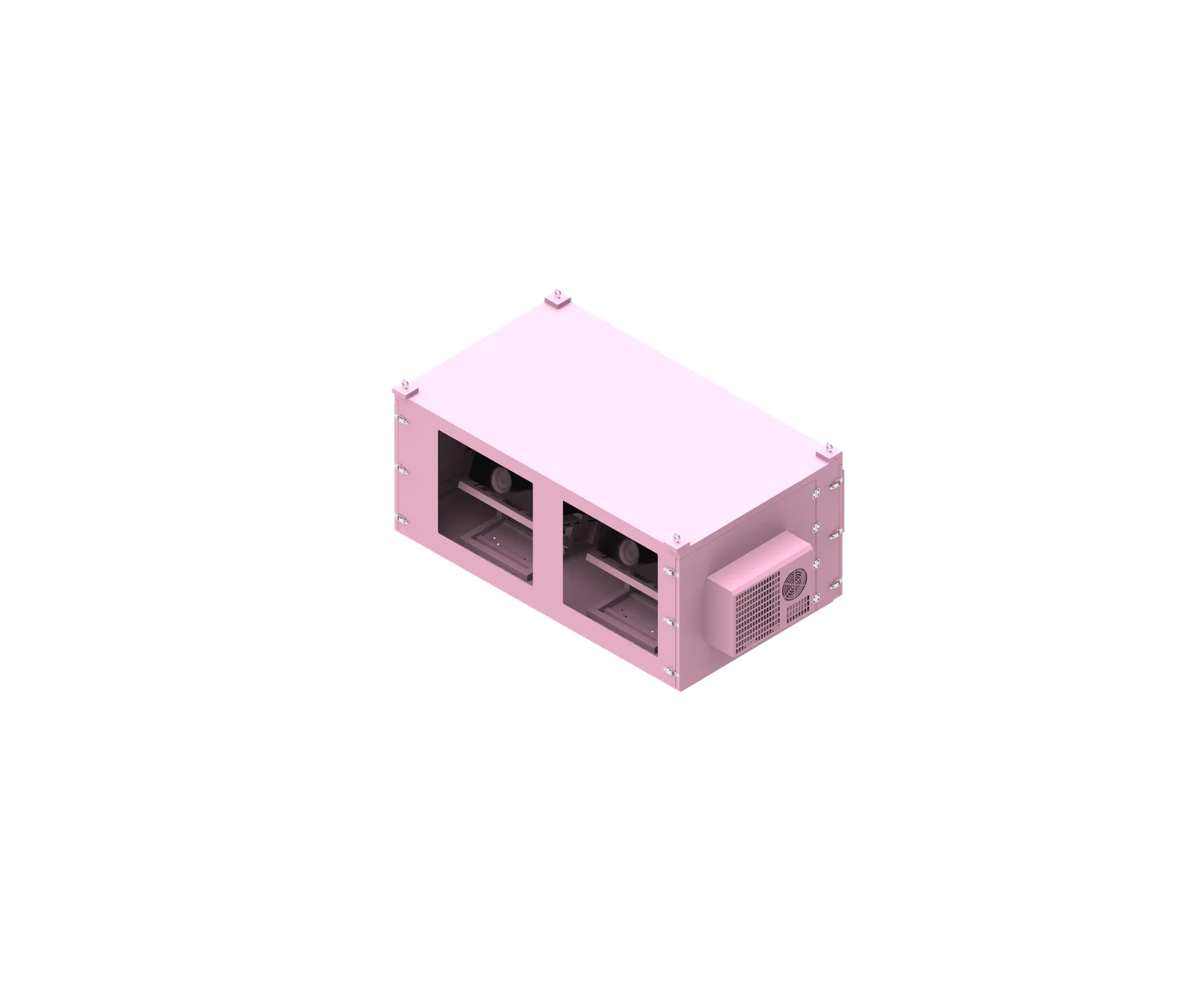
Choosing between indoor and outdoor network cabinets is less about the label and more about the real installation environment. Rain, dust, sunlight, temperature swing, humidity, cable entry, and maintenance access can all change the correct enclosure design. For SuiRui customers, the safest approach is to compare site conditions against the cabinet’s verified protection, cooling, material, and installation specifications before purchasing.
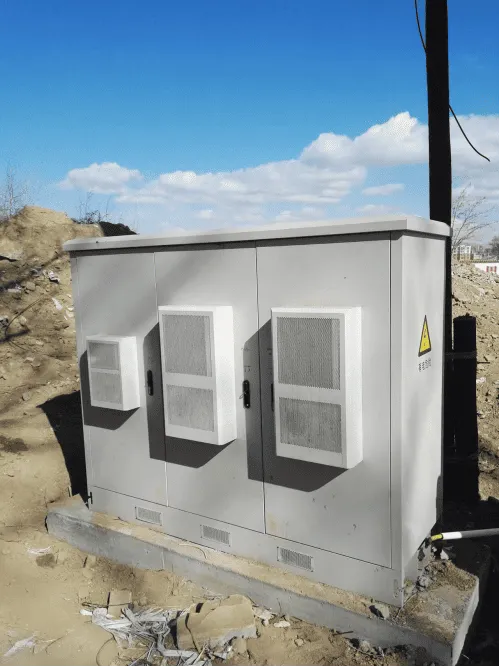
Based on our internal data and market analysis, here is the breakdown:
| Comparison Factor | Typical Indoor Network Cabinet | Outdoor-Rated Network Cabinet | What to Verify |
|---|---|---|---|
| Use environment | Typically used in offices, network rooms, data rooms, or controlled utility areas | Designed for outdoor or semi-outdoor exposure depending on the model | Actual exposure to rain, dust, sunlight, humidity, temperature, and corrosion |
| Rain, dust, and sealing | May have basic dust protection or ventilation, depending on design | May include sealing, protected vents, gaskets, or weather-resistant cable entry | Verified network cabinet IP rating for the exact model and full assembly |
| Materials and weather resistance | Often optimized for indoor handling, equipment mounting, and airflow | May use materials, coatings, fasteners, and seals selected for weather exposure | Material grade, coating system, UV exposure, corrosion risks, and maintenance needs |
| Cooling and humidity control | Can often rely partly on room HVAC, depending on equipment heat load | May need fans, filtered vents, heat exchangers, heaters, or air conditioning depending on conditions | Heat load, ambient range, solar exposure, condensation risk, and cooling capacity |
| Cable entry | Typically easier to route from floors, ceilings, trays, or walls | Requires protected cable entry, sealing, drainage awareness, and bend-space planning | Glands, knockouts, unused openings, bend radius, and protection after installation |
| Installation and maintenance | Usually easier access, lighter environmental burden, and simpler servicing | Requires stronger attention to mounting, water paths, access clearance, and site safety | Wall, floor, pole, or base mounting approval for the specific cabinet |
| Physical access control | Still needs lock and access control where equipment is sensitive | May require stronger locks, hinge protection, or alarms depending on public exposure | Lock type, hinge design, site risk, and monitoring options actually configured |
| Purchase and operating cost | Usually lower enclosure and installation cost in controlled spaces | Usually higher total cost when weather protection, cooling, and installation hardware are included | Compare equal capacity, equal equipment load, accessories, energy, and maintenance |
What is outdoor vs indoor network cabinets?
Outdoor vs indoor network cabinets are enclosure categories designed around different environmental assumptions. An indoor network cabinet protects and organizes equipment in a relatively controlled space, while an outdoor network cabinet must be verified for exposure such as weather, dust, temperature variation, humidity, and site access risk.
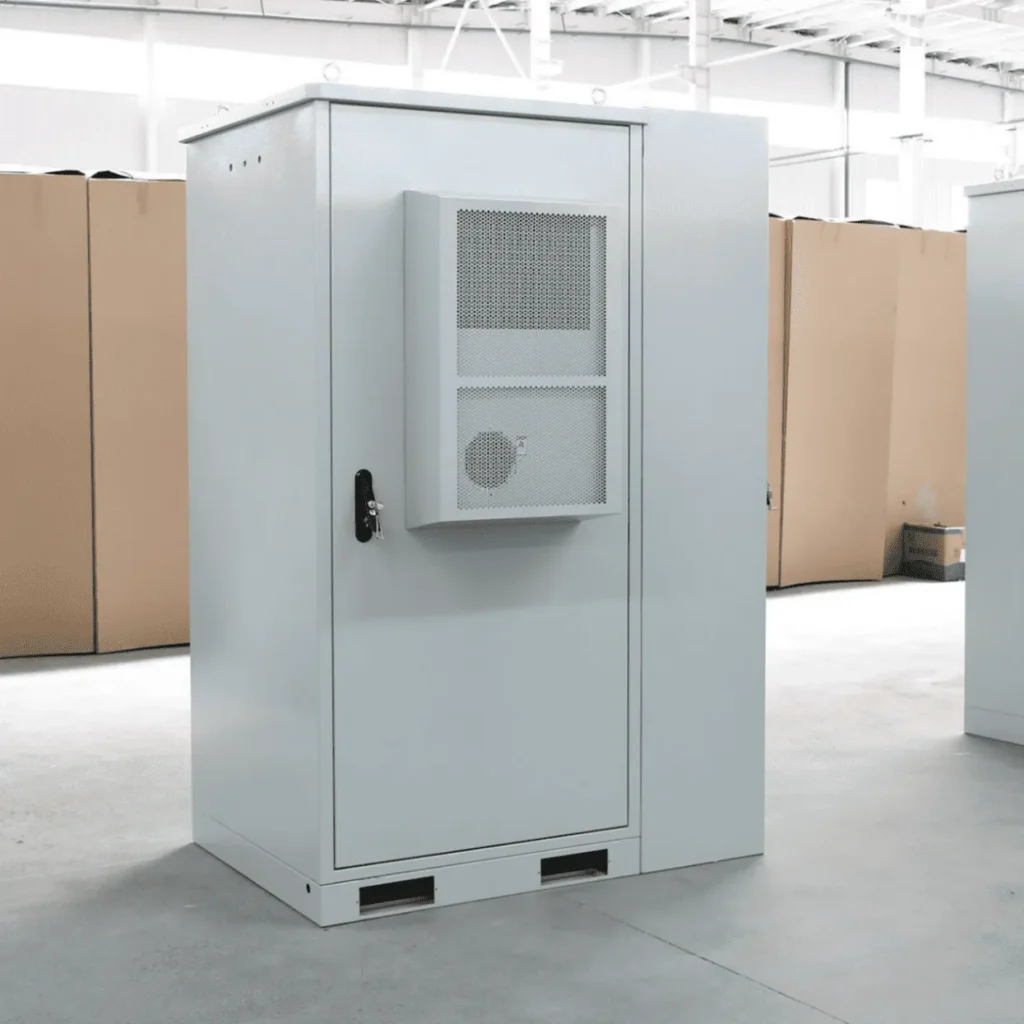
Design Purpose and Application Boundaries
An indoor network rack cabinet and an outdoor rack enclosure can both hold switches, patch panels, power distribution units, fiber trays, and cable management accessories. The difference is not that one is “professional” and the other is “basic”; the difference is the environment each cabinet is designed and verified to tolerate.
Indoor does not always mean clean, dry, and air-conditioned. A factory workshop, wash-down area, basement equipment room, or unconditioned warehouse may create dust, humidity, condensation, or corrosive exposure. In those cases, a standard indoor network cabinet may not be enough, even though the location is technically inside a building.
Outdoor-rated cabinets, by contrast, are intended for locations where the enclosure may need to resist rain, wind-driven dust, sunlight, thermal cycling, unauthorized access, or cable-entry water paths. However, “outdoor” is not a single universal specification. The exact suitability depends on the model, installed accessories, orientation, and complete assembly.
Based on our internal data and market analysis, here is the breakdown:
| Cabinet Type | Typical Purpose | Common Strength | Main Limitation |
|---|---|---|---|
| Indoor network cabinet | Organize and protect network equipment in controlled rooms | Easy access, efficient cabling, room-assisted cooling | Not automatically suitable for rain, dust, UV, or condensation |
| Outdoor network cabinet | Protect equipment in exposed or semi-exposed sites | Environmental protection when properly specified | Requires closer review of sealing, cooling, mounting, and lifecycle cost |
| Industrial indoor cabinet | Support equipment in harsh indoor environments | Can address dust, moisture, or process exposure when specified | Must be selected by actual risk, not just “indoor” location |
| Semi-outdoor cabinet location | Covered corridor, canopy, carport, or unconditioned shelter | Some direct rain protection may exist | Temperature, humidity, wind-driven rain, and condensation can still be serious |
SuiRui Pro Tip: I never approve a cabinet only because the project drawing says “indoor” or “outdoor.” I first ask what can reach the cabinet: water, dust, heat, sunlight, people, cleaning chemicals, and cable pathways. That tells us what the enclosure must actually handle.
How Does outdoor vs indoor network cabinets Work?
Indoor and outdoor network cabinets work by physically supporting, organizing, cooling, and protecting network equipment. The difference is how much environmental protection the cabinet itself must provide. Indoor cabinets may rely on the room environment, while outdoor cabinets often need integrated sealing, ventilation protection, thermal control, and weather-aware cable entry.
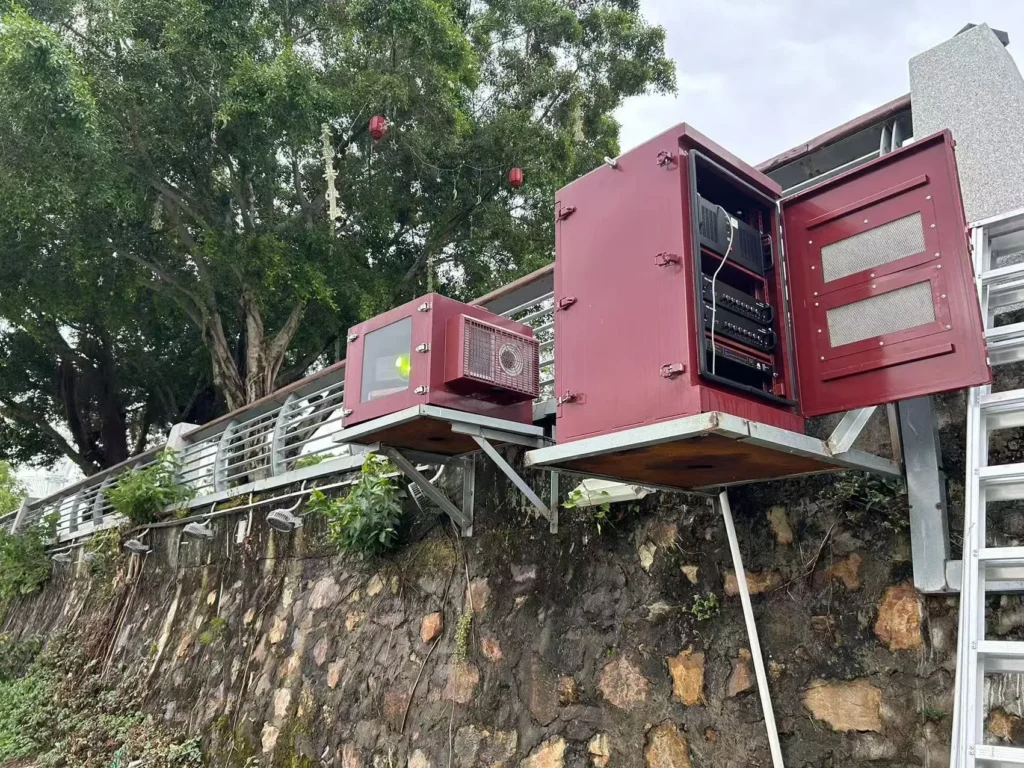
Protection, Airflow, and Environmental Control Path
A network cabinet works as a controlled interface between equipment and its surrounding environment. It provides mechanical mounting points, cable routing space, power distribution placement, physical access control, and airflow or thermal management. For indoor cabinets, the surrounding room often does part of the work by providing stable temperature, cleaner air, and lower moisture exposure.
For an outdoor network cabinet, the cabinet must do more of the environmental protection work. Door seams, cable entry points, ventilation openings, filter systems, fans, cooling devices, heaters, grounding provisions, and drainage details all become part of the final protection concept. The cabinet must also remain serviceable after installation, because every cable gland, unused opening, fan replacement, or accessory change can affect protection.
A weatherproof network cabinet should not be judged by one visible feature, such as a gasket on the door. The verified network cabinet IP rating, if specified, should apply to the actual model, installation direction, and complete configuration. Adding holes, replacing fans, or installing cooling units can change the protection result if not handled according to the manufacturer’s instructions.
Key working differences include:
- Environmental barrier: Outdoor designs may use sealed joints, protected vents, and controlled cable entry to reduce water and dust ingress.
- Thermal path: Indoor cabinets may benefit from room HVAC; outdoor cabinets may require their own fan, heat exchanger, heater, or air conditioner depending on heat load and climate.
- Moisture behavior: Rain protection is not the same as condensation control. A sealed cabinet can still contain moisture if temperature changes create condensation risk.
- Service path: Outdoor cabinets must allow inspection, cable work, and equipment replacement without damaging seals or blocking airflow.
- Access control: Both cabinet types may use locks, but outdoor or public-access sites may need stronger access management based on risk.
SuiRui Pro Tip: When I review an outdoor rack enclosure, I look at the whole protection chain: door, hinges, seals, vents, cable glands, unused knockouts, mounting surface, and service behavior. One weak point can defeat an otherwise good enclosure design.
What are the benefits of outdoor vs indoor network cabinets?
The main benefit of comparing outdoor vs indoor network cabinets is avoiding both under-specification and over-specification. Indoor cabinets can be cost-effective and easy to maintain in controlled environments, while outdoor cabinets protect equipment where weather, dust, temperature, humidity, or access risks require a more robust enclosure solution.
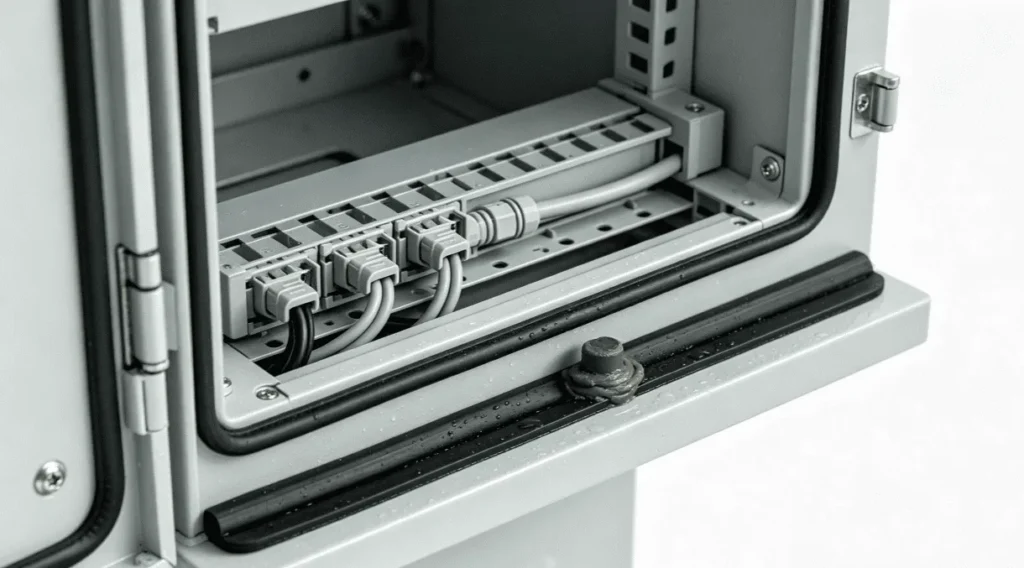
Practical Benefits by Site Condition
The right cabinet improves uptime, installation quality, maintenance efficiency, and lifecycle cost. A properly selected indoor network cabinet can be ideal for offices, telecom rooms, and secure equipment spaces where temperature and dust are controlled. It can simplify cable management, keep equipment accessible, and avoid unnecessary enclosure complexity.
An outdoor network cabinet provides value when the site exposes equipment to environmental risks that an ordinary indoor cabinet was not designed to handle. This may include direct rain, wind-driven dust, high solar load, freezing conditions, humidity cycles, or difficult maintenance access. In these locations, cabinet protection is not a luxury; it is part of the reliability plan.
However, higher environmental protection is not automatically better in every case. A sealed outdoor cabinet used indoors may be heavier, more expensive, noisier if active cooling is included, or less convenient for cable changes. The correct choice depends on the site, equipment heat load, maintenance expectations, and verified product configuration.
Based on our internal data and market analysis, here is the breakdown:
| Benefit Area | Indoor Network Cabinet Advantage | Outdoor Network Cabinet Advantage | Decision Note |
|---|---|---|---|
| Cost efficiency | Often economical for controlled rooms | Worthwhile when environmental exposure would otherwise threaten equipment | Compare equivalent capacity and accessory scope |
| Maintenance | Usually easier to access and service indoors | Can support remote or exposed locations when designed for service | Verify door clearance, equipment removal path, and seal replacement needs |
| Equipment protection | Suitable for controlled indoor environments | Better suited for weather, dust, humidity, and access risk when rated accordingly | Confirm complete cabinet configuration |
| Cooling | May use building HVAC and room airflow | Can include dedicated thermal management when required | Match cooling to actual heat load |
| Installation flexibility | Good for wall, floor, rack-room, or office utility spaces depending on model | Can support outdoor wall, floor, base, or pole applications depending on model | Use only approved mounting methods |
| Lifecycle reliability | Reliable when environment is stable | Reduces weather-related risk when correctly specified | Include inspection and maintenance planning |
SuiRui Pro Tip: I tell buyers not to compare a bare indoor cabinet against a fully configured outdoor cabinet. Compare the total solution needed to keep the same equipment safe, cool, accessible, and maintainable in the real location.
How to maintain a outdoor vs indoor network cabinets?
Maintenance for outdoor vs indoor network cabinets should focus on airflow, cable entry, seals, corrosion signs, locks, drainage paths, and environmental control devices. Indoor cabinets need routine cleaning and cable checks, while outdoor cabinets require additional inspection for weather exposure, condensation, blocked vents, damaged gaskets, and mounting integrity.
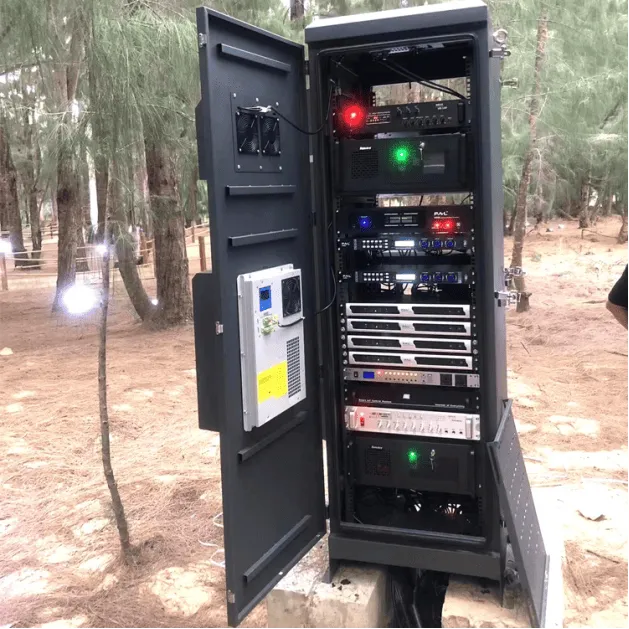
Maintenance Checks That Preserve Protection
A cabinet’s protection level can decline over time if seals age, doors are misaligned, filters clog, cable glands loosen, or unused openings are not properly closed. Maintenance is especially important for an outdoor network cabinet because weather exposure, sunlight, humidity, and temperature changes can stress materials and accessories.
Indoor cabinets also need maintenance. Dust accumulation, tangled cables, blocked fans, overloaded power strips, poor labeling, and unsecured doors can create operational risk. In industrial indoor areas, dust or moisture exposure may require inspection practices closer to outdoor maintenance, even if the cabinet is inside a building.
Maintenance should be performed by qualified personnel according to project safety requirements. Structural fixing, electrical grounding, surge protection, and energized equipment work should not be improvised. Also, never block designed ventilation or drainage paths just to improve sealing; doing so can increase heat or condensation problems.
Recommended maintenance checklist:
- Inspect doors and hinges for alignment, smooth closing, damage, and signs of forced access.
- Check gaskets and seals for compression set, cracking, missing sections, dirt buildup, or poor contact.
- Verify cable entries including glands, plates, unused holes, bend radius, and strain relief.
- Clean vents, filters, and fans according to the actual cabinet configuration and site dust level.
- Look for condensation signs such as water marks, corrosion, damp labels, or moisture inside cable paths.
- Review thermal performance by checking equipment alarms, fan status, blocked airflow, and any abnormal heat.
- Confirm mounting stability for wall, floor, base, or pole installations where permitted by the product.
- Document changes such as new holes, added devices, replaced fans, or cooling accessory modifications.
SuiRui Pro Tip: I recommend photographing the inside of the cabinet after commissioning. During maintenance, compare the current condition with the original layout. New openings, added cables, blocked airflow, or shifted equipment are often the first clues that protection has changed.
What is the price of outdoor vs indoor network cabinets?
The price of outdoor vs indoor network cabinets depends on capacity, material, protection level, cooling method, mounting accessories, cable entry, power distribution, logistics, and maintenance needs. Outdoor-rated solutions usually include more environmental design requirements, but exact cost should be based on verified specifications rather than assumptions.
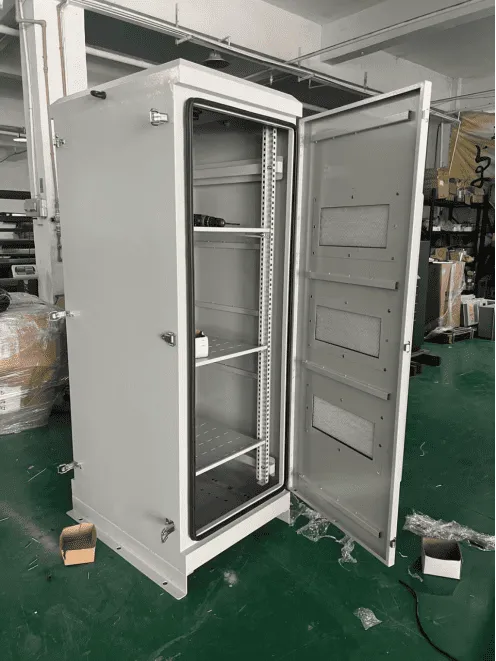
Cost Components Behind the Purchase Price
There is no reliable universal price multiplier for indoor and outdoor network cabinets without real model data. A small indoor cabinet with no accessories and a fully configured outdoor cabinet with cooling, glands, mounting base, and monitoring are not equivalent products. A fair comparison must start with the same equipment list, capacity, installation site, and operating expectations.
An indoor network cabinet may have a lower initial enclosure cost in a controlled room. But if the indoor location is dusty, humid, corrosive, or not temperature controlled, additional protection or a different enclosure type may be needed. Conversely, an outdoor cabinet may have a higher purchase and installation cost, but it may be the appropriate lifecycle choice if the site exposure would damage standard indoor equipment.
Operating cost also matters. Active cooling, heaters, filter replacement, seal maintenance, service trips, and downtime risk can affect total cost. For SuiRui project discussions, the most useful information is the device list, heat load, site environment, mounting method, cable entry plan, and maintenance access.
Based on our internal data and market analysis, here is the breakdown:
| Cost Item | Indoor Cabinet Consideration | Outdoor Cabinet Consideration |
|---|---|---|
| Cabinet body | Often simpler when used in controlled environments | May require verified weather-resistant structure and sealing |
| Cooling | May rely on room HVAC, depending on heat load | May need fans, heat exchanger, heater, or air conditioner depending on site |
| Cable entry | Often easier through room pathways | Needs protected entry, glands, sealing plates, and unused opening control |
| Installation | Usually simpler access and handling | May require base, wall support, pole hardware, weather-aware routing, and drainage planning |
| Energy use | Usually driven by installed network equipment and any cabinet fans | May include cooling or heating energy if configured |
| Maintenance | Cleaning, cable checks, lock checks, fan inspection | Adds seal checks, corrosion inspection, condensation review, and weather exposure checks |
| Lifecycle risk | Low when room conditions are stable | Lower exposure risk only when cabinet is correctly specified and maintained |
SuiRui Pro Tip: I prefer to quote cabinet cost after reviewing the equipment heat load and environment. Without those details, a low price can hide missing cooling, cable sealing, mounting hardware, or maintenance requirements.
Key Features & Comparison
The key differences between indoor and outdoor network cabinets are environmental exposure, ingress protection, sealing design, materials, cooling, condensation control, cable entry, installation method, security, and lifecycle cost. Both cabinet types can support network equipment, but they are not automatically interchangeable without verified model-level specifications.
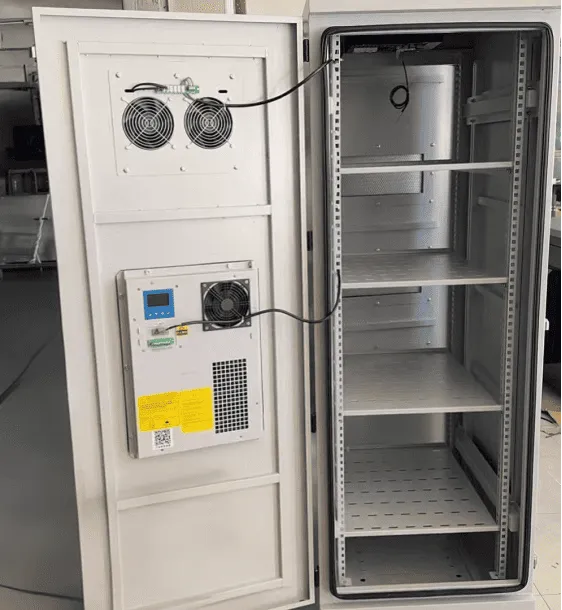
Feature-by-Feature Selection Matrix
The most important differences between indoor and outdoor network cabinets appear at the edges of the enclosure: door seams, ventilation paths, cable entries, mounting points, and service openings. These are the places where water, dust, heat, human access, and installation mistakes usually create risk.
A network cabinet IP rating can be useful, but it must be interpreted carefully. IP ratings and NEMA categories are not identical systems, and an IP rating alone does not prove that a cabinet is suitable for every outdoor application. The rating should match the actual model, orientation, accessories, and final assembled condition. It should not be copied from another enclosure, a single component, or an unrelated test report.
Based on our internal data and market analysis, here is the breakdown:
| Feature | Typical Indoor Network Cabinet | Outdoor-Rated Network Cabinet | Why It Matters |
|---|---|---|---|
| Environmental exposure | Typically assumes controlled or semi-controlled room conditions | Designed for specified outdoor or semi-outdoor exposure depending on model | Actual rain, dust, sun, humidity, and temperature define the risk |
| Ingress protection | May use ventilation and basic enclosure protection | May use verified sealing, protected vents, glands, and weather-resistant details | Protection must apply to the complete cabinet assembly |
| Door and seam sealing | May or may not include gaskets depending on design | Often places more emphasis on seams and closure pressure | A gasket alone does not prove an IP rating |
| Ventilation openings | Often optimized for airflow in cleaner indoor air | May require protected vents, filters, or sealed thermal systems | Unprotected openings can become water or dust paths |
| Materials and coatings | Selected for indoor durability and handling | Selected according to weather, UV, corrosion, and exposure requirements | Coastal or corrosive locations need separate verification |
| Cooling strategy | May rely on room air conditioning plus cabinet airflow | May need cabinet-level thermal control based on load and climate | Outdoor heat and solar gain can increase thermal stress |
| Condensation control | Usually lower risk in stable rooms, but not impossible | Must be evaluated because sealing does not eliminate internal moisture | Rainproof and condensation-resistant are different goals |
| Cable entry | Often uses open room pathways, trays, or bottom/top entry | Requires controlled entry, sealing, bend space, and unused hole closure | Poor cable entry can defeat the enclosure protection |
| Installation method | Wall, floor, or rack-room placement depending on model | Wall, floor, base, or pole only if the product allows it | Mounting affects structure, access, drainage, and safety |
| Security | Depends on room access and lock requirements | Depends on public exposure, locks, hinges, and monitoring options | Indoor cabinets may still need security controls |
| Maintenance | Cleaning, cabling, airflow, and equipment access | Adds seal, corrosion, moisture, vent, and weather checks | Long-term protection depends on maintenance behavior |
| Cost | Often lower for controlled environments | Often higher when full outdoor protection is needed | Compare total lifecycle cost, not only enclosure price |
SuiRui Pro Tip: If a project team asks, “Can indoor network cabinets be used outdoors?” my answer is: not unless the manufacturer’s documentation, complete configuration, thermal design, and installation method all support that use. A roof, paint, gasket strip, or added fan is not enough proof.
Cost & Buying Factors
Buying the right network cabinet requires matching the enclosure to the actual environment, not simply choosing the lowest price or highest protection label. Key buying factors include installed equipment, heat load, exposure level, cable entry, access control, mounting method, maintenance plan, and verified product documentation.
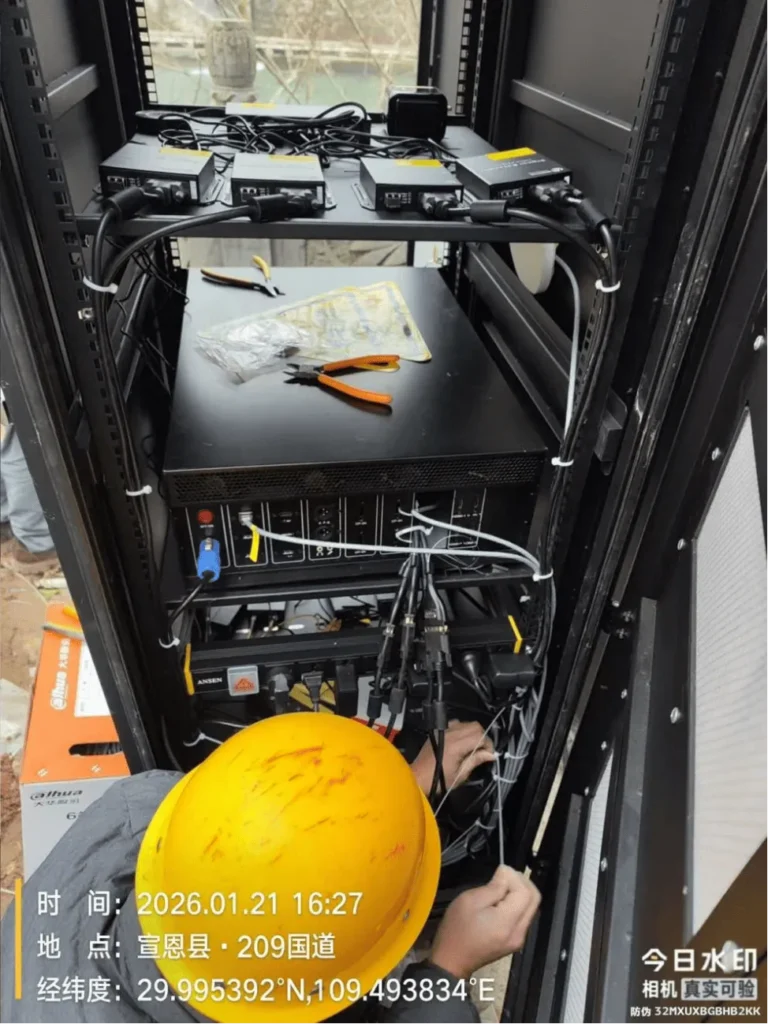
Practical Purchase Review for Project Teams
For network engineers, system integrators, procurement teams, and facility maintenance staff, the buying decision should begin with the site. A controlled office network room, a dusty indoor production area, a covered but unconditioned corridor, and a fully exposed outdoor location may all require different cabinet designs.
Can an indoor network cabinet be used outdoors under a roof? In most cases, it should not be assumed. A roof may reduce direct rainfall, but it does not eliminate wind-driven rain, humidity, condensation, dust, insects, UV exposure, temperature swing, or corrosion. The cabinet manufacturer’s permitted use conditions and complete configuration must be checked.
Can an outdoor network cabinet be used indoors? Sometimes, yes, if it fits the space and operating requirements. But higher protection does not automatically make it the better indoor solution. Weight, size, cooling exhaust, fan noise, drainage features, cable access, and maintenance convenience may make an outdoor enclosure unnecessary or unsuitable indoors.
Assumed scenario checks:
- Environment-controlled office network room:
Main risk → cable congestion, unauthorized access, dust buildup, and equipment heat.
Cabinet conditions to verify → capacity, airflow, cable management, locking, grounding, and service clearance.
Assumption to avoid → that cooling is unnecessary simply because the cabinet is indoors. - Indoor industrial area with dust or moisture exposure:
Main risk → airborne particles, humidity, cleaning exposure, vibration, or corrosive contaminants.
Cabinet conditions to verify → ingress protection, coating, filters, seals, cable entry, and maintenance interval.
Assumption to avoid → that any indoor network rack cabinet is suitable because it is inside a building. - Covered but unconditioned location:
Main risk → temperature swing, condensation, wind-driven rain, insects, and dust.
Cabinet conditions to verify → sealing, protected ventilation, condensation strategy, material durability, and cable entry.
Assumption to avoid → that a canopy or roof removes all outdoor risks. - Direct weather-exposed outdoor location:
Main risk → rain, dust, sunlight, heat, cold, corrosion, unauthorized access, and difficult service.
Cabinet conditions to verify → outdoor rating, thermal design, mounting, drainage, surge protection planning, and maintenance access.
Assumption to avoid → that any weatherproof network cabinet fits all climates and equipment loads.
SuiRui Pro Tip: Before selecting a cabinet, I ask for four things: equipment list, installation photos or drawings, local environmental conditions, and maintenance expectations. With those details, SuiRui can help narrow the cabinet type without relying on risky assumptions.
Conclusion
Outdoor vs indoor network cabinets should be selected by verified environmental requirements, not by name alone. Indoor cabinets are effective in controlled spaces, while outdoor-rated cabinets are necessary when weather, dust, humidity, temperature variation, or access risks exceed ordinary indoor assumptions. Always confirm the exact model, configuration, and installation conditions.
Final Decision Guidance and FAQ
A reliable cabinet decision starts with the real site: what the cabinet will be exposed to, what equipment it must support, how much heat that equipment produces, how cables enter, how often people will service it, and what documentation proves the cabinet is suitable. SuiRui can support this review when project teams provide equipment lists, installation locations, environmental conditions, and maintenance requirements.
FAQ:
Can an indoor network cabinet be used outdoors under a roof?
Not by assumption. A roof may reduce direct rain, but it does not automatically address humidity, condensation, wind-driven dust, UV exposure, temperature swing, corrosion, or cable-entry water paths. Verify the manufacturer’s permitted use conditions before using an indoor cabinet outdoors.
Does an IP rating automatically mean a cabinet is suitable for outdoor use?
No. A network cabinet IP rating describes certain ingress protection conditions, but it does not automatically prove complete outdoor suitability. Materials, cooling, installation orientation, accessories, cable entries, condensation control, and maintenance conditions must also be checked.
Do all outdoor network cabinets need air conditioning?
No. Some outdoor cabinets may use passive ventilation, fans, heat exchangers, heaters, or no active cooling depending on equipment heat load and climate. Air conditioning should be selected only after reviewing thermal load, ambient temperature, solar exposure, and reliability requirements.
When publishing future supporting resources, add links only after confirming the pages exist, such as SuiRui’s outdoor network cabinet selection guide and relevant product pages. Do not publish placeholder links, unverified specifications, or unsupported performance claims.
SuiRui Pro Tip: If you are unsure which cabinet type fits your project, send SuiRui the equipment list, cabinet location, photos or drawings, cable entry plan, and maintenance requirements. I would rather verify the environment early than solve heat, moisture, or access problems after installation.