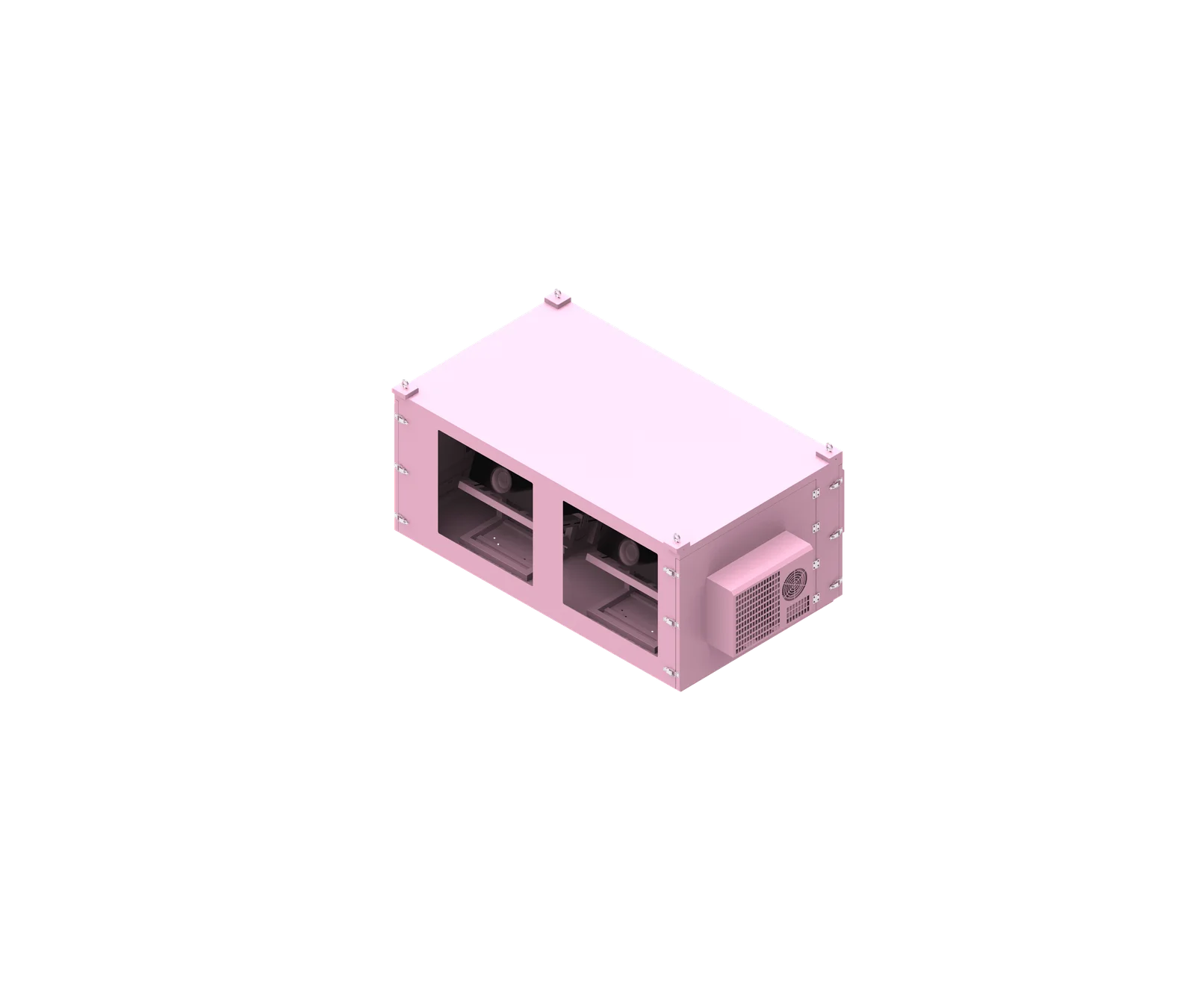
A cabinet size and quantity are not enough for an accurate custom outdoor cabinet quotation. To prepare a reliable outdoor cabinet RFQ, send the manufacturer complete information about the equipment, environment, heat load, IP protection, cooling, power, cables, mounting, material, maintenance access, quantity, and project schedule. This helps an outdoor network cabinet manufacturer like ShiRui design the enclosure correctly before pricing it.
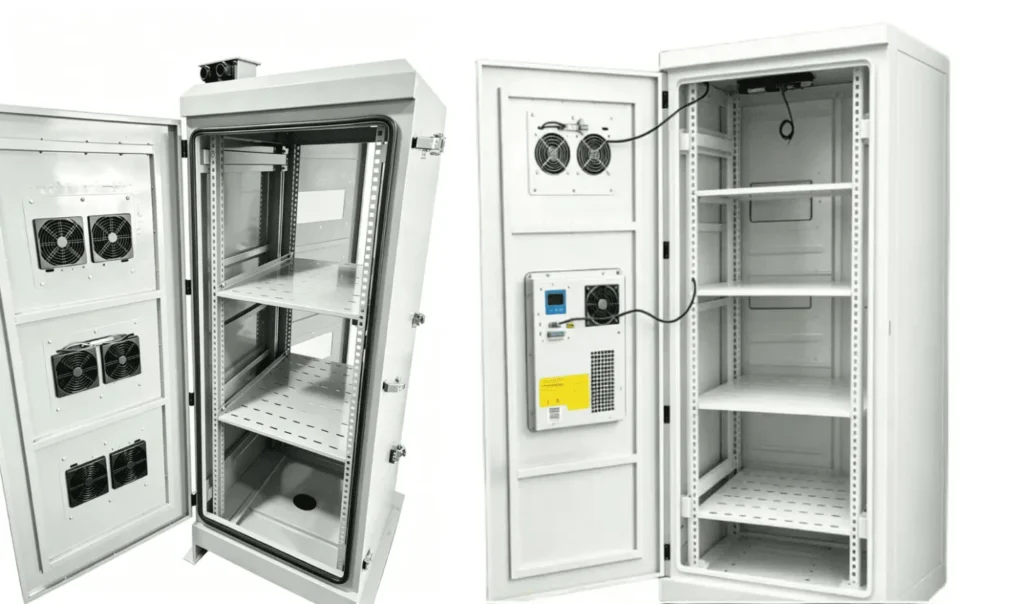
What is outdoor cabinet quotation?
An outdoor cabinet quotation is a technical and commercial offer prepared after the manufacturer reviews the cabinet application, installed equipment, outdoor environment, structure, cooling method, electrical requirements, cable entry, mounting method, material, quantity, and documentation needs. For custom outdoor cabinets, the quotation should be based on engineering requirements, not only external dimensions.
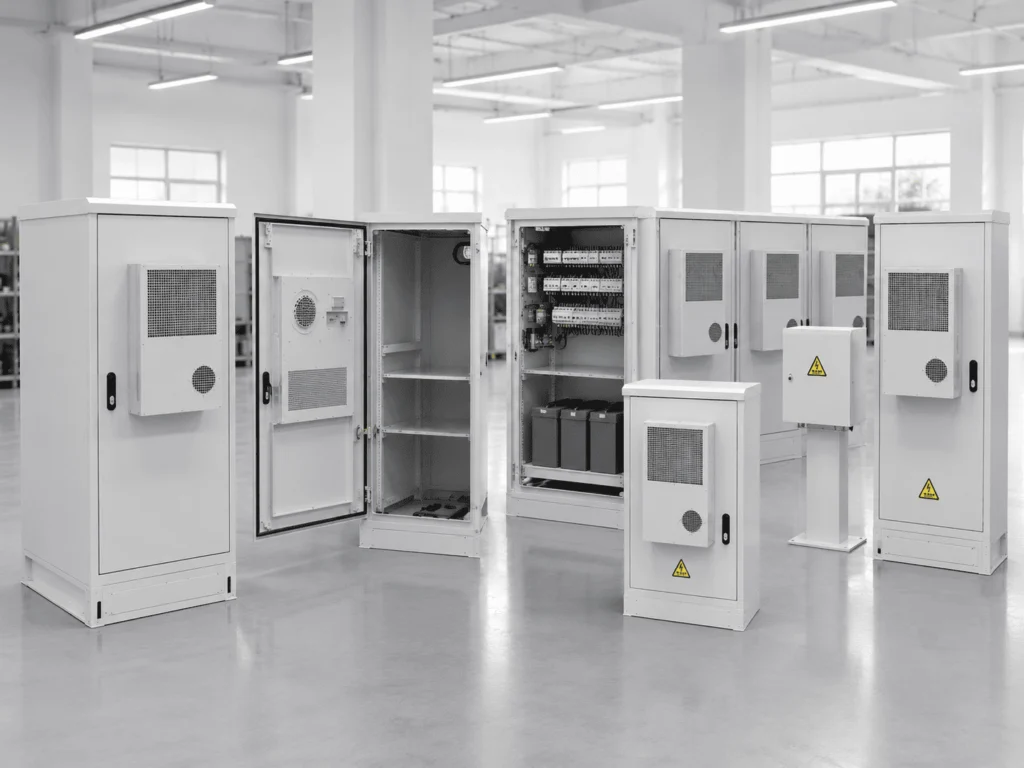
Understanding the RFQ Scope
RFQ means “Request for Quotation.” For a custom outdoor cabinet, the RFQ should give the outdoor equipment enclosure manufacturer enough information to understand how the cabinet will be used, what equipment it must protect, and what environmental conditions it must withstand.
A short request such as “Please quote one outdoor cabinet, 1000 × 800 × 600 mm” is usually not enough. The manufacturer may still need to ask about heat load, airflow, IP rating, cable entry, mounting method, power supply, and site conditions before preparing a reliable custom network cabinet quotation.
Based on our internal data and market analysis, here is the breakdown:
| RFQ Information | Why It Matters | Example of What to Send |
|---|---|---|
| Application | Defines design priorities | Telecom, CCTV, smart city, edge computing |
| Equipment list | Determines internal layout | Switch, router, UPS, batteries, fiber equipment |
| Equipment models | Confirms dimensions and power | Brand, model number, datasheet |
| Environment | Affects material and cooling | Desert, coastal, humid, dusty, exposed outdoor |
| Heat load | Supports thermal design | Equipment power consumption or thermal data |
| IP requirement | Defines protection level | Project-specified IP rating if known |
| Mounting method | Affects structure | Wall, pole, floor, frame, concrete base |
| Cable entry | Affects sealing and layout | Cable type, quantity, diameter, connector size |
| Quantity | Affects production planning | Prototype, small batch, project batch |
ShiRui Pro Tip: When we receive only dimensions and quantity, we can usually provide only a preliminary estimate. For a dependable outdoor cabinet quotation, I recommend sending equipment datasheets, site conditions, and cable details at the beginning.
How Does outdoor cabinet quotation Work?
An outdoor cabinet quotation works by converting technical project information into a cabinet design, thermal solution, material plan, electrical layout, manufacturing process, and price. The manufacturer reviews the equipment, environment, heat load, cable routing, installation method, and quantity before issuing a technical proposal and quotation.
Manufacturer Review Workflow
A professional outdoor telecom cabinet manufacturer does not simply price a metal box. The quotation process should evaluate whether the enclosure can safely house, cool, power, protect, and support the installed equipment in the intended outdoor environment.
A recommended workflow is:
- Customer sends RFQ information.
- Manufacturer reviews the application and equipment list.
- Manufacturer checks equipment dimensions, weight, power consumption, and airflow direction.
- Manufacturer reviews the project location, ambient temperature range, humidity, dust, rain exposure, and coastal or corrosive conditions.
- Manufacturer identifies missing technical information.
- Cabinet size and internal layout are evaluated.
- Material and surface treatment are selected according to project conditions.
- Heat load is reviewed before choosing ventilation, fan cooling, heat exchanger, air conditioning, heating, or another method.
- Cable entry, connector clearance, and cable management are designed.
- Power distribution, grounding, monitoring, UPS, and battery requirements are reviewed if needed.
- Mounting structure is evaluated for wall, pole, floor, frame, rooftop, or concrete-base installation.
- A technical proposal and quotation are prepared.
- Drawings are approved before fabrication when appropriate.
ShiRui Pro Tip: If the heat load, airflow direction, and ambient temperature are missing, I would not recommend finalizing the cooling solution. Cooling cannot be selected accurately from cabinet size alone.
What are the benefits of outdoor cabinet quotation?
A complete outdoor cabinet quotation helps reduce engineering uncertainty, redesign risk, quotation changes, production delays, and installation problems. By giving the manufacturer complete RFQ data, buyers receive a more accurate cabinet design, cooling recommendation, electrical plan, cable-entry layout, material selection, and manufacturing cost estimate.
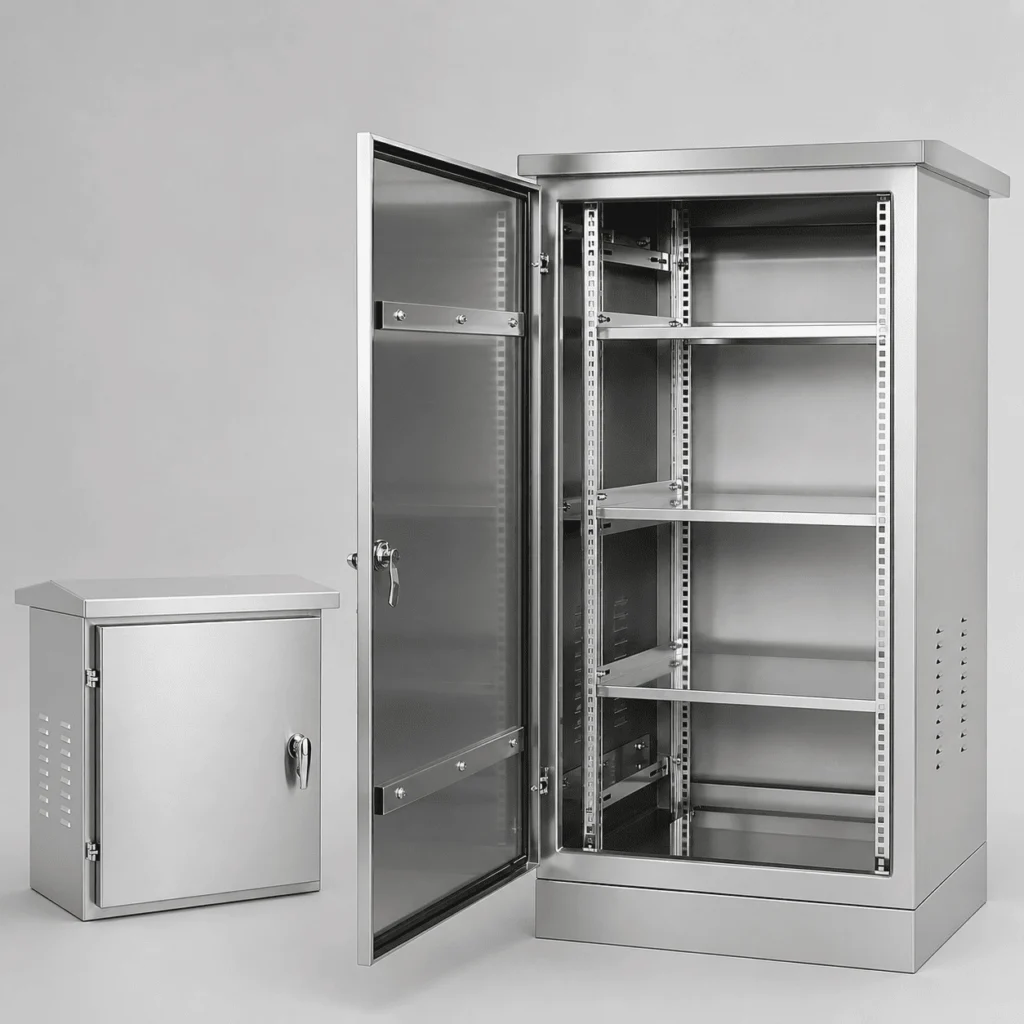
Practical Benefits for Buyers
A well-prepared outdoor cabinet RFQ saves time for both the buyer and manufacturer. It also improves the accuracy of the technical proposal, because the cabinet is designed around real equipment and real site conditions instead of assumptions.
Key benefits include:
- More accurate cabinet size and internal layout
- Better cooling or heating recommendation based on heat load and climate
- More suitable material and surface finish selection
- Reduced risk of cable-entry redesign
- Better access for maintenance and future replacement
- More realistic quotation for prototype or batch production
- Fewer revisions before production
- Lower risk of unexpected cost changes
- Clearer communication between engineering, purchasing, and installation teams
- Better basis for drawing approval and project documentation
ShiRui Pro Tip: The best RFQ is not always the longest RFQ; it is the clearest one. I prefer receiving confirmed equipment models, power data, site conditions, cable details, and photos over a vague request for the “best outdoor cabinet.”
How to maintain an outdoor cabinet quotation?
To maintain an outdoor cabinet quotation, keep the RFQ information controlled and updated whenever equipment, cable entry, cooling, mounting, material, quantity, or delivery requirements change. A quotation remains reliable only if the technical assumptions remain valid and the final approved drawings match the actual project requirements.
Keeping the RFQ Accurate During Revisions
Outdoor cabinet projects often change during engineering review. Equipment may be replaced, batteries may be added, the installation site may change, or the customer may request a different IP level, cooling method, or access door arrangement. Each change can affect cost, cabinet structure, lead time, and technical feasibility.
Use this revision-control checklist:
- Confirm whether equipment models have changed.
- Update equipment dimensions, depth, weight, and airflow direction.
- Recalculate or recheck total power consumption and heat load.
- Confirm whether the maximum and minimum ambient temperatures are still valid.
- Review humidity, dust, coastal, salt-spray, and rain-exposure conditions.
- Update cable type, quantity, diameter, connector size, and entry direction.
- Confirm whether the cabinet is wall-mounted, pole-mounted, floor-standing, rooftop-mounted, or installed on a custom structure.
- Review internal access for maintenance, filters, air conditioner, batteries, fiber panels, and electrical parts.
- Confirm final material, surface treatment, color, lock, door, and monitoring requirements.
- Reconfirm prototype quantity, batch quantity, destination, packaging, test requirements, and delivery schedule.
ShiRui Pro Tip: When a customer changes the equipment list after quotation, I always recommend reviewing the cooling, cabinet depth, cable routing, and mounting load again before confirming production drawings.
What is the price of outdoor cabinet quotation?
The price of an outdoor cabinet quotation depends on cabinet complexity, material, surface finish, equipment layout, cooling and heating method, electrical configuration, IP requirement, mounting structure, monitoring system, testing, documentation, packaging, destination, and quantity. Without confirmed technical data, the manufacturer may only provide a preliminary estimate.
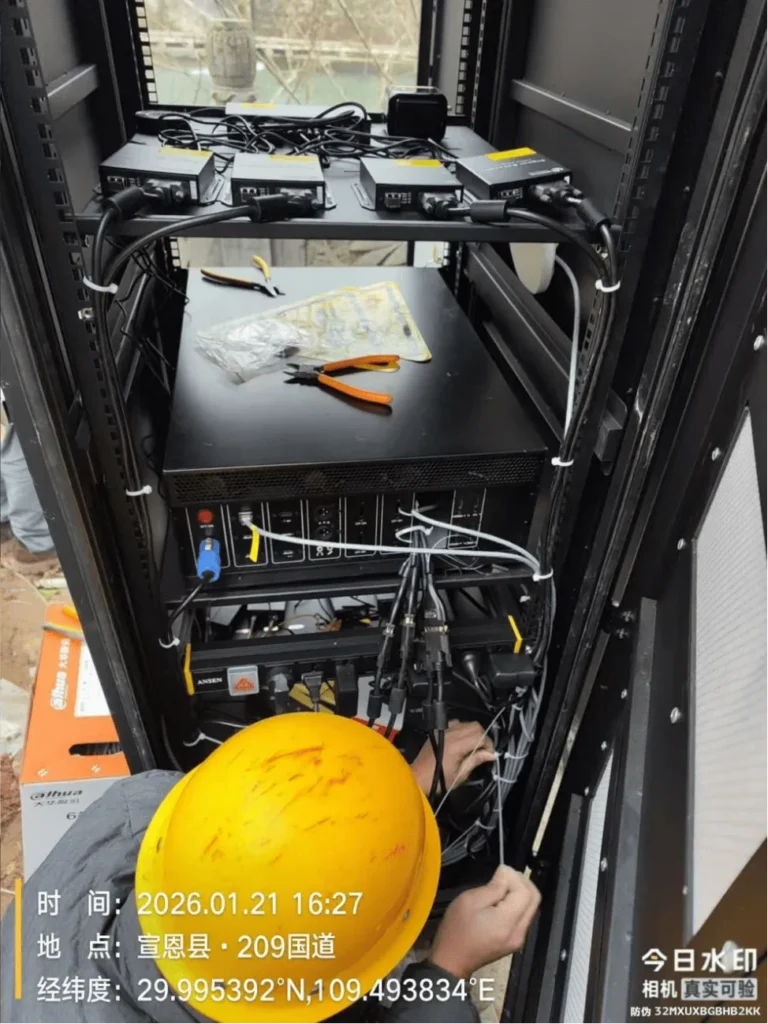
Main Factors That Influence Price
There is no universal price for a custom outdoor cabinet because each project may require different materials, thermal management, electrical design, access structure, and testing. Even two cabinets with similar external dimensions can have very different costs if one requires batteries, air conditioning, monitoring, special locks, or export packaging.
Based on our internal data and market analysis, here is the breakdown:
| Cost Factor | Impact on Quotation | Information to Provide |
|---|---|---|
| Material | Affects corrosion resistance and fabrication cost | Galvanized steel, 201 stainless steel, 304 stainless steel, or project-specified material |
| Cooling method | Can significantly affect design and cost | Heat load, ambient temperature, preferred method if known |
| IP requirement | Affects sealing, structure, and thermal strategy | Required IP level if specified |
| Electrical system | Adds components and assembly work | Input power, PDU, breaker, terminal blocks, UPS, grounding |
| Cable entry | Affects gland plate and sealing | Cable type, quantity, diameter, connector size |
| Mounting method | Affects structure and brackets | Wall, pole, floor, frame, rooftop, concrete base |
| Monitoring | Adds sensors and communication needs | Temperature, humidity, door, power, fan, AC status |
| Quantity | Affects purchasing and production planning | Prototype, small batch, project batch, long-term demand |
| Testing/documentation | Affects engineering and inspection work | FAT, IP documentation, wiring diagram, inspection report |
| Packaging/shipping | Affects packing design | Destination, crate, pallet, lifting requirements |
ShiRui Pro Tip: If the project budget is limited, tell us early. We can compare practical options, but we should not remove essential cooling, sealing, safety, or structural requirements just to reach the lowest price.
Key Features & Comparison
A strong outdoor cabinet RFQ should clearly describe the equipment, environment, thermal load, IP protection, cooling, power supply, cables, mounting, material, access requirements, monitoring, quantity, testing, and delivery needs. These details help the manufacturer compare design options and recommend a suitable custom outdoor cabinet solution.
RFQ Checklist for Accurate Technical Review
Based on our internal data and market analysis, here is the breakdown:
| Information | Example of What to Send | Why the Manufacturer Needs It |
|---|---|---|
| Application | CCTV, telecom, smart city, industrial control | Defines cabinet function and design priorities |
| Equipment | Switch, router, UPS, fiber equipment | Determines layout and internal structure |
| Equipment models | Exact brand/model, datasheet, manual | Confirms size, power, airflow, connectors |
| Dimensions | Width × height × depth of each device | Supports cabinet sizing and clearance |
| Weight | Equipment weight, battery weight | Affects shelves, rails, brackets, mounting |
| Power consumption | Manufacturer power data | Supports electrical and thermal design |
| Heat load | Thermal data if available | Helps select cooling method |
| Airflow direction | Front-to-back, side intake, natural convection | Aligns cabinet airflow with equipment cooling |
| Project location | Country, city, site type | Helps evaluate climate and standards |
| Temperature | Site maximum and minimum | Affects cooling and heating design |
| Humidity | High humidity or condensation risk | Affects sealing, corrosion, and control strategy |
| Dust conditions | Industrial dust, desert sand, normal outdoor | Affects filtration and IP design |
| Coastal exposure | Sea, offshore, chloride-rich environment | Affects material and fastener selection |
| IP requirement | Project-specific IP level if known | Defines protection target |
| Cooling method | Fan, heat exchanger, AC, or recommendation | Supports thermal architecture |
| Heating requirement | Heater or anti-condensation control | Important for cold or variable climates |
| Power supply | Voltage, frequency, AC/DC requirements | Supports electrical component selection |
| UPS/battery | Type, quantity, size, weight, backup objective | Affects cabinet size, load, ventilation |
| Cable details | Type, quantity, diameter, connector size | Determines gland plate and cable routing |
| Cable entry | Bottom, rear, side, base/plinth | Affects sealing and installation |
| Mounting | Wall, pole, floor, frame, concrete base | Affects structure and brackets |
| Material | Galvanized, 201 stainless steel, 304 stainless steel, other | Affects durability and cost |
| Surface finish | Powder coating, RAL color, branding | Affects appearance and corrosion protection |
| Doors/access | Front, rear, side, multiple doors | Affects maintenance and sealing |
| Lock/security | Standard lock, special lock, anti-vandal | Supports site security |
| Monitoring | Temperature, humidity, door, power, fan, AC | Supports remote maintenance |
| Drawings/photos | Site photos, equipment drawings, cable diagrams | Reduces assumptions |
| Quantity | Prototype, small batch, project batch | Affects manufacturing strategy |
| Testing | Functional, waterproof, electrical, FAT | Affects cost and lead time |
| Destination | Country/city, packaging needs | Supports packing and shipping planning |
| Schedule | Required delivery date | Supports production planning |
ShiRui Pro Tip: The most useful RFQ attachment is often the equipment datasheet package plus site photos. With those two items, we can identify many structural, thermal, cable, and maintenance risks before quotation.
Cost & Buying Factors
When buying a custom outdoor cabinet, compare more than the quoted unit price. Review whether the quotation includes engineering design, material selection, cooling and heating components, electrical parts, mounting brackets, cable-entry design, monitoring, testing, documentation, packaging, and drawing approval before production.
How to Evaluate a Manufacturer’s Offer
A low initial price may not be the best value if key technical requirements are missing. Buyers should check whether the quotation is based on complete RFQ data or assumptions. If important information is unavailable, the quotation should clearly state that final design and price may change after technical confirmation.
Use these buying factors when evaluating an outdoor cabinet quotation:
- Does the manufacturer understand the actual application?
- Are the equipment models, dimensions, weight, and power consumption reviewed?
- Is the cooling method based on heat load and ambient conditions?
- Is the required IP level matched with the thermal architecture?
- Are cable type, quantity, diameter, connector size, and entry direction considered?
- Is the mounting method structurally suitable for the installation site?
- Are material and surface treatment selected according to environment?
- Are UPS, batteries, power distribution, grounding, and monitoring included if required?
- Are maintenance access and door arrangement clearly shown?
- Are drawings, test requirements, certifications, and documentation listed?
- Is the quotation for prototype, batch production, or long-term supply?
- Are exclusions and assumptions clearly stated?
ShiRui Pro Tip: I recommend comparing quotations line by line. If one supplier includes cooling, wiring, monitoring, brackets, testing, and documentation while another quotes only the empty enclosure, the cheaper price may not represent the same scope.
Conclusion
The fastest way to obtain an accurate outdoor cabinet quotation is to provide complete equipment, environment, heat load, IP, cooling, power, cable, mounting, material, quantity, and schedule information. A complete RFQ helps the manufacturer reduce assumptions, prepare better drawings, recommend suitable solutions, and avoid redesign before production.
Final RFQ Preparation Checklist
Before sending your outdoor cabinet RFQ to ShiRui or another outdoor network cabinet manufacturer, prepare as much of the following information as possible. If some data is not available yet, state that clearly so the manufacturer can identify what is needed before final design.
- Application
- Equipment list
- Exact equipment models
- Equipment datasheets or drawings
- Equipment dimensions
- Equipment weight
- Equipment power consumption
- Heat-load data if available
- Equipment airflow direction
- Connector locations
- Project location
- Maximum and minimum ambient temperature
- Humidity and condensation conditions
- Rain, dust, and coastal exposure
- Required IP rating if specified
- Cooling and heating expectations
- Internal temperature requirement
- Power supply and internal power distribution
- UPS and battery requirements
- Cable types, quantity, diameter, and connector size
- Cable-entry direction
- Mounting method
- Material and surface finish
- Color and branding requirements
- Door, lock, and maintenance access
- Internal rack, shelf, DIN rail, or mounting-plate needs
- Monitoring and communication requirements
- Drawings and site photos
- Quantity and production stage
- Destination and packaging requirements
- Certification, testing, and documentation needs
- Target delivery schedule
Do not send only cabinet dimensions and quantity when requesting a custom outdoor cabinet quotation. A professional manufacturer needs to understand what equipment will be installed, where the cabinet will operate, and how it will be powered, cooled, wired, mounted, maintained, tested, and delivered.
ShiRui Pro Tip: If you are not sure what cooling method, material, or IP rating is appropriate, send us the equipment data and site conditions first. We can help review the requirements and guide the RFQ toward a practical, manufacturable outdoor cabinet solution.