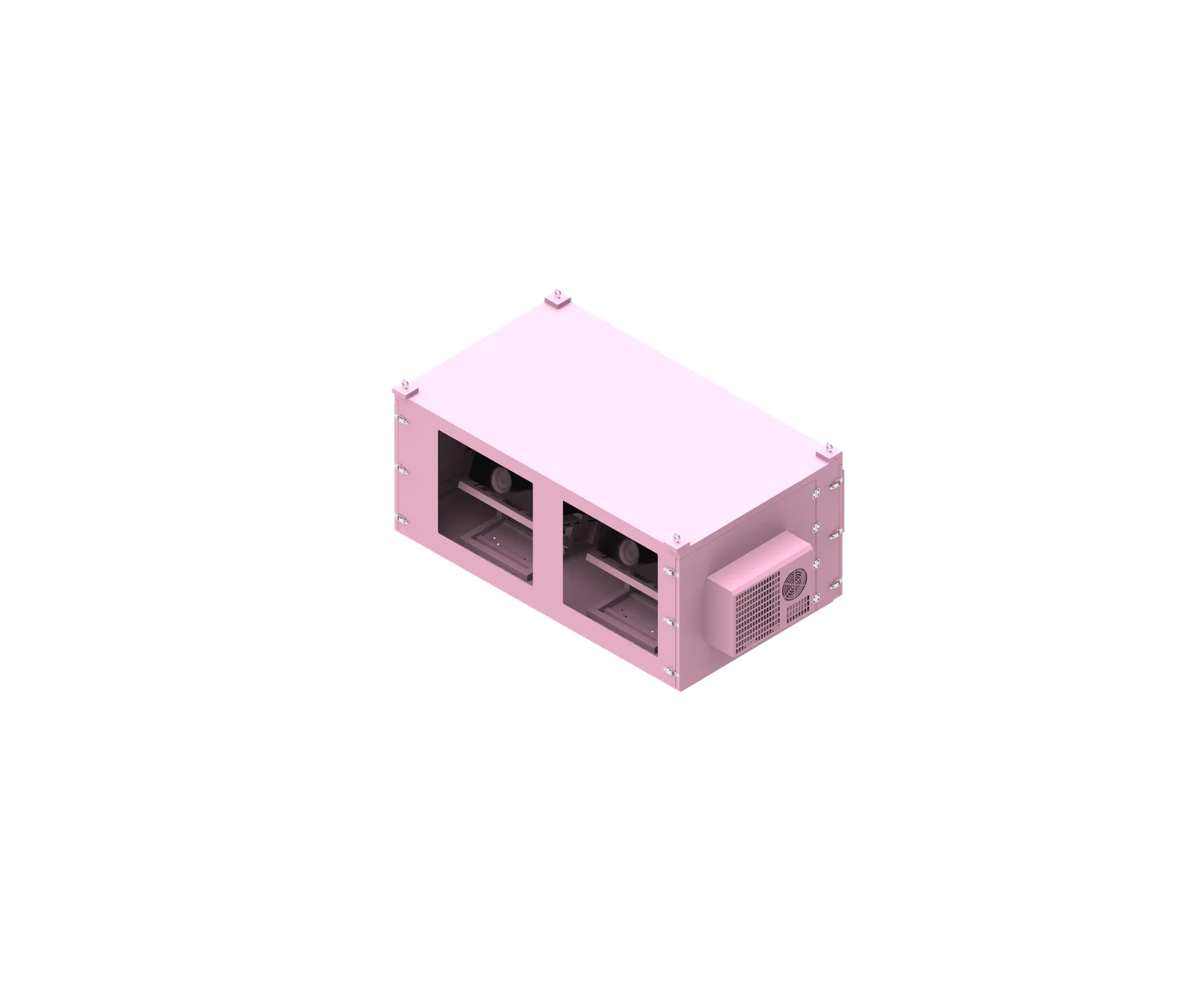
A multi-projector outdoor enclosure is an engineered protection, cooling, alignment, and mounting system for professional outdoor projection projects. Unlike a simple outdoor projector enclosure, it must be designed around projector quantity, exact models, total heat load, airflow paths, optical alignment, electrical load, structural strength, and service access to ensure stable long-term operation.
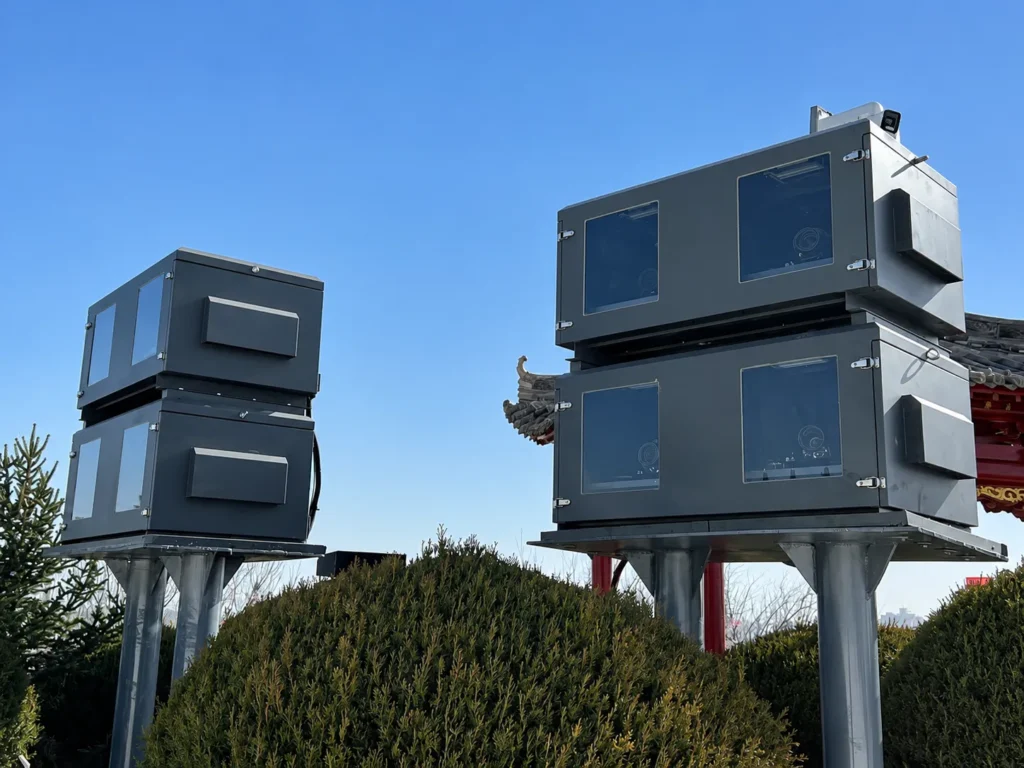
What is multi-projector outdoor enclosure?
A multi-projector outdoor enclosure is a weather-protected cabinet or enclosure system designed to house two or more projectors for outdoor projection mapping, large-format display, or brightness-stacking applications. It is not simply an oversized projector box; it is customized around projector layout, cooling, lens alignment, structure, and maintenance needs.
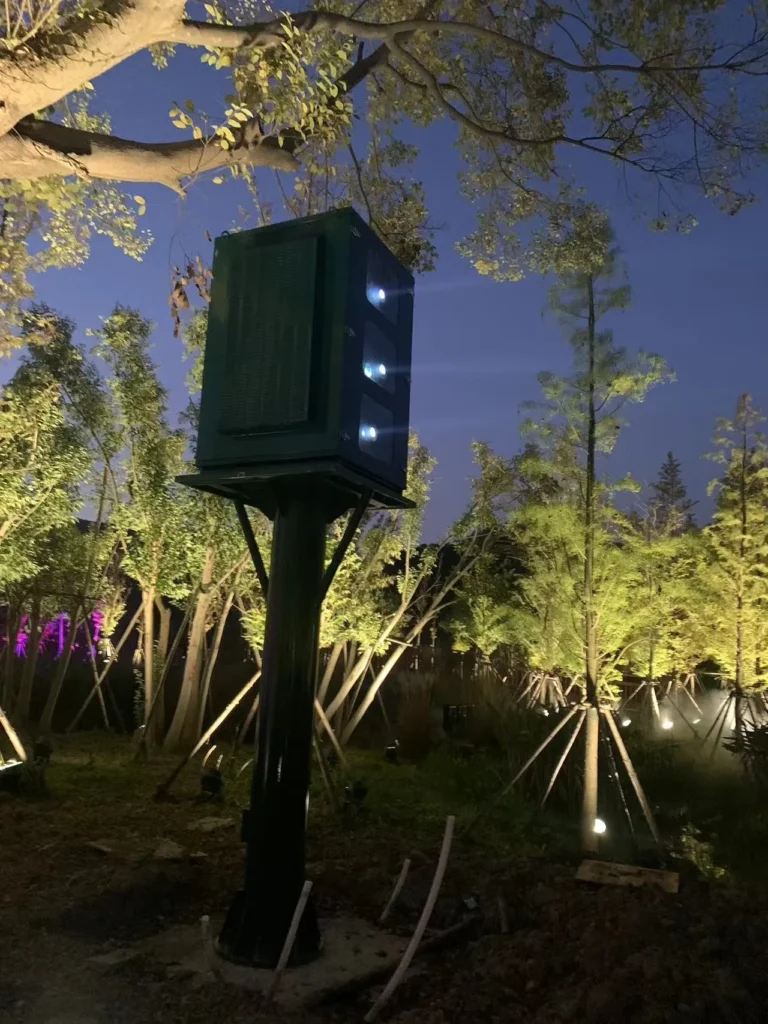
Engineered Cabinet for Multiple Projection Sources
A multi-projector enclosure can be designed as one large cabinet containing several projectors or as multiple coordinated outdoor projector enclosure units installed as a projection array. The correct approach depends on the project’s optical geometry, mounting method, available space, and maintenance strategy.
Common configurations include:
- Two projectors installed side by side for wider image coverage or edge blending
- Two projectors vertically stacked for brightness stacking or compact horizontal footprint
- Three-projector stacking systems for higher output and redundancy
- Multiple independent enclosures arranged as one synchronized projection system
- Custom projector enclosure systems with shared power, cooling, and access planning
The enclosure dimensions must follow the real projector arrangement, not just a scaled-up single-projector cabinet. Lens center positions, air intake locations, exhaust directions, cable ports, and service clearances often vary significantly between projector models.
ShiRui Pro Tip: I always recommend confirming the exact projector model before enclosure design starts. Even two projectors with similar brightness can require completely different internal layouts because their lens, intake, exhaust, and cable positions may not match.
How Does multi-projector outdoor enclosure Work?
A multi-projector outdoor enclosure works by protecting several projectors from rain, dust, humidity, corrosion, and temperature changes while maintaining correct airflow, optical projection paths, electrical safety, and mechanical alignment. Each projector must receive clean intake air, discharge heat safely, and remain accurately positioned for image blending or stacking.
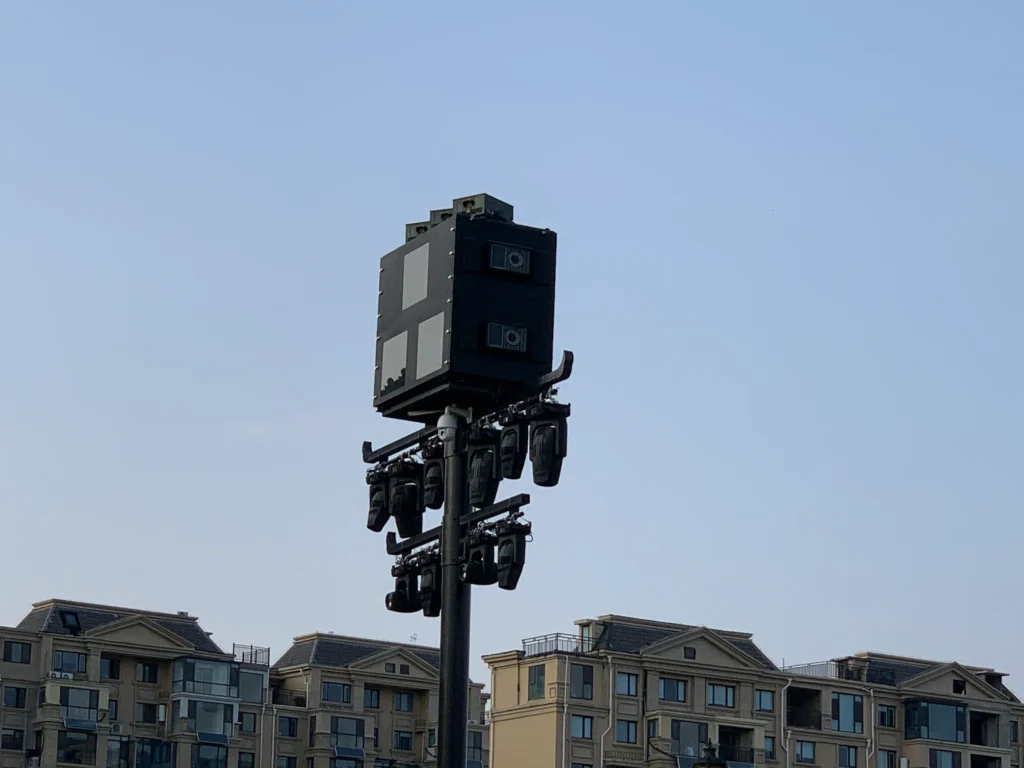
Thermal Control, Airflow Separation, and Optical Stability
The main working principle is controlled separation: each projector must be protected from the outdoor environment while still operating as if it were in a suitable technical room. The enclosure must support the projector manufacturer’s required intake and exhaust paths.
For multi-projector enclosure design, the most important operating requirements are:
- Environmental protection
The cabinet blocks rain, dust, humidity, wind-blown debris, and outdoor corrosion. - Thermal management
Fans, filters, heat exchangers, or industrial air-conditioning systems remove the combined heat load from all projectors. - Independent airflow planning
Hot exhaust from one projector must not enter another projector’s air intake. - Optical window alignment
Optical glass must match the number of lenses, lens centers, projection angles, and adjustment range. - Structural support
The frame, mounting rails, brackets, and base plates must support the combined weight safely. - Power and signal routing
Power, network, HDMI, SDI, or fiber connections must be organized without blocking airflow or service access. - Maintenance access
Doors, panels, and internal clearances must allow installation, lens adjustment, cleaning, inspection, and projector removal.
When the total heat load is high, especially with high-brightness laser projectors or long operating hours, simple fan cooling may not be enough. In these cases, a temperature-controlled industrial air-conditioning system may be required.
ShiRui Pro Tip: In multi-projector systems, airflow mistakes are more damaging than cabinet size mistakes. I check each projector’s intake and exhaust path separately before deciding whether the enclosure needs fans, ducts, divided cooling zones, or air conditioning.
How to build an outdoor projector enclosure?
To build an outdoor projector enclosure, start by confirming projector dimensions, weight, lens position, intake and exhaust locations, power consumption, mounting method, and required IP protection. For a multi-projector outdoor enclosure, the design must also calculate total heat load, combined weight, multi-lens alignment, and separate airflow channels.
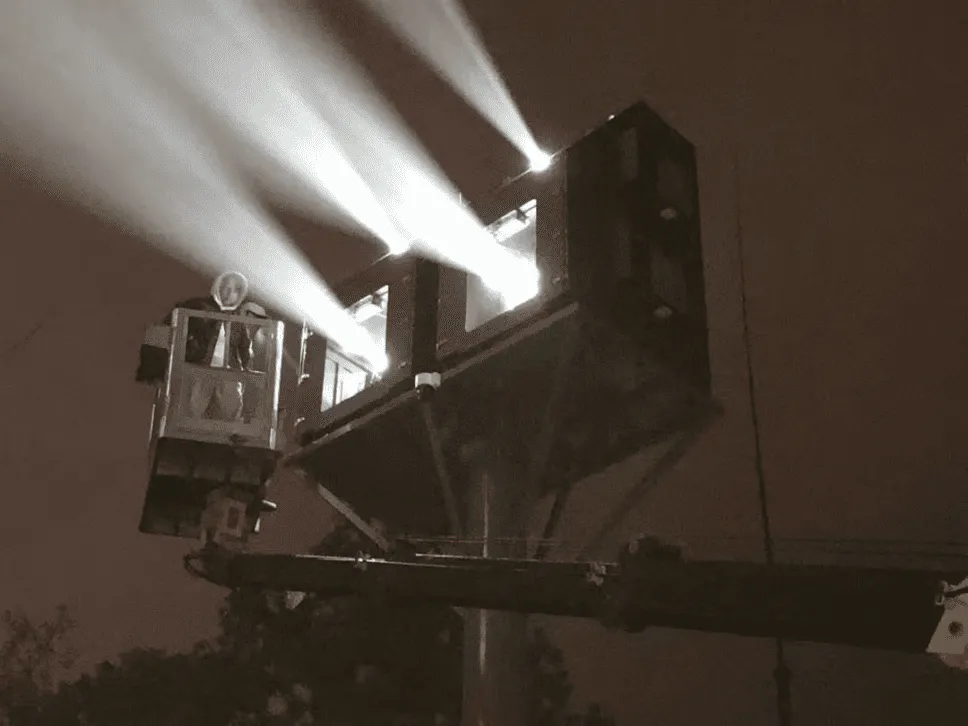
Professional Design and Manufacturing Workflow
A custom projector enclosure should be designed from real project data, not estimated dimensions. This is especially important when two or more projectors are installed in one cabinet because every internal conflict becomes harder to correct after manufacturing.
A practical design workflow includes:
- Collect projector specifications
- Projector brand and exact model
- Length, width, and height
- Weight
- Lens center position
- Air intake and exhaust positions
- Cable connection locations
- Mounting points
- Power consumption
- Confirm projector quantity and layout
- Side-by-side arrangement
- Vertical stacking
- Three-projector layout
- Independent enclosure array
- Calculate total heat load
- Combined projector power consumption
- Cooling system heat impact
- Ambient temperature range
- Direct sunlight exposure
- Required daily operating hours
- Design internal mounting structure
- Reinforced base plate
- Adjustable rails
- Anti-vibration support
- Service clearance
- Removal path for each projector
- Plan airflow and cooling
- Separate intake and exhaust areas
- Filters or louvers
- Fan or air-conditioning capacity
- Condensation control
- Air ducts if required
- Design optical window system
- Number of glass windows
- Lens center matching
- Projection angle
- Anti-reflective optical glass
- Sealing method
- Engineer outdoor protection
- IP-rated door seals
- Cable glands
- Corrosion-resistant materials
- Drainage and condensation management
- Weather-resistant coating
- Verify maintenance access
- Front, rear, side, or top doors
- Lens adjustment access
- Cable access
- Filter replacement access
- Cooling system service space
A professional multi-projector enclosure should be tested as a system, including cooling performance, door sealing, optical alignment access, and power distribution.
ShiRui Pro Tip: I do not recommend building a multi-projector enclosure by simply enlarging a single-projector design. Once multiple projectors are installed, heat, airflow, lens geometry, weight balance, and maintenance access all change at the same time.
How many lumens should a good outdoor projector have?
A good outdoor projector typically needs at least 3,000 to 5,000 lumens for small evening viewing, while professional outdoor projection mapping often requires 8,000, 12,000, 20,000 lumens or more per projector. In multi-projector projects, brightness depends on image size, ambient light, surface reflectivity, throw distance, and blending requirements.
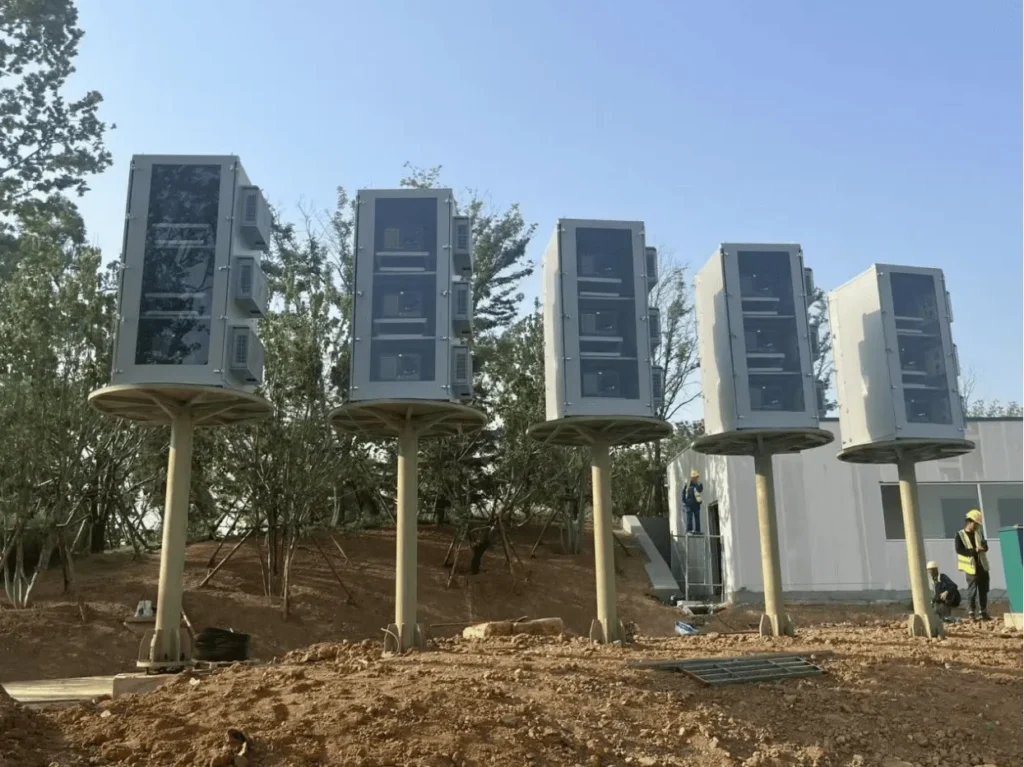
Brightness Planning for Outdoor Projection Projects
Lumens should never be selected by projector brightness alone. A projector that looks bright on a small white screen may be insufficient for a large building facade, dark stone wall, or area with street lighting. Multi-projector systems are often used because one projector cannot provide enough brightness or image coverage.
Based on our internal data and market analysis, here is the breakdown:
| Application Type | Typical Brightness Range | Common Enclosure Need | Notes |
|---|---|---|---|
| Backyard movie night | 3,000–5,000 lumens | Basic outdoor projector enclosure | Best after sunset with controlled light |
| Small outdoor event | 5,000–8,000 lumens | Weatherproof enclosure with ventilation | Suitable for moderate screen sizes |
| Outdoor advertising | 8,000–15,000 lumens | Temperature-controlled enclosure | Ambient light must be considered |
| Projection mapping facade | 12,000–30,000+ lumens | Custom projector enclosure | Often requires blending or stacking |
| Large landmark projection | Multiple 20,000+ lumen projectors | Multi-projector enclosure system | Requires engineered thermal and optical layout |
For brightness stacking, multiple projectors overlap the same image area to increase brightness. For edge blending, multiple projectors cover different sections of a large image. These two methods require different enclosure layouts and optical window positions.
ShiRui Pro Tip: When clients ask how many lumens they need, I ask for projection distance, image size, surface color, ambient light, and operating time first. Without those details, lumen selection is only a guess.
What is the best outdoor projector and screen combo?
The best outdoor projector and screen combo depends on brightness, viewing distance, ambient light, projection surface, weather exposure, and installation duration. For professional projects, the best solution is often not a portable screen but a high-brightness projector system protected by a custom outdoor projector enclosure or multi-projector enclosure.
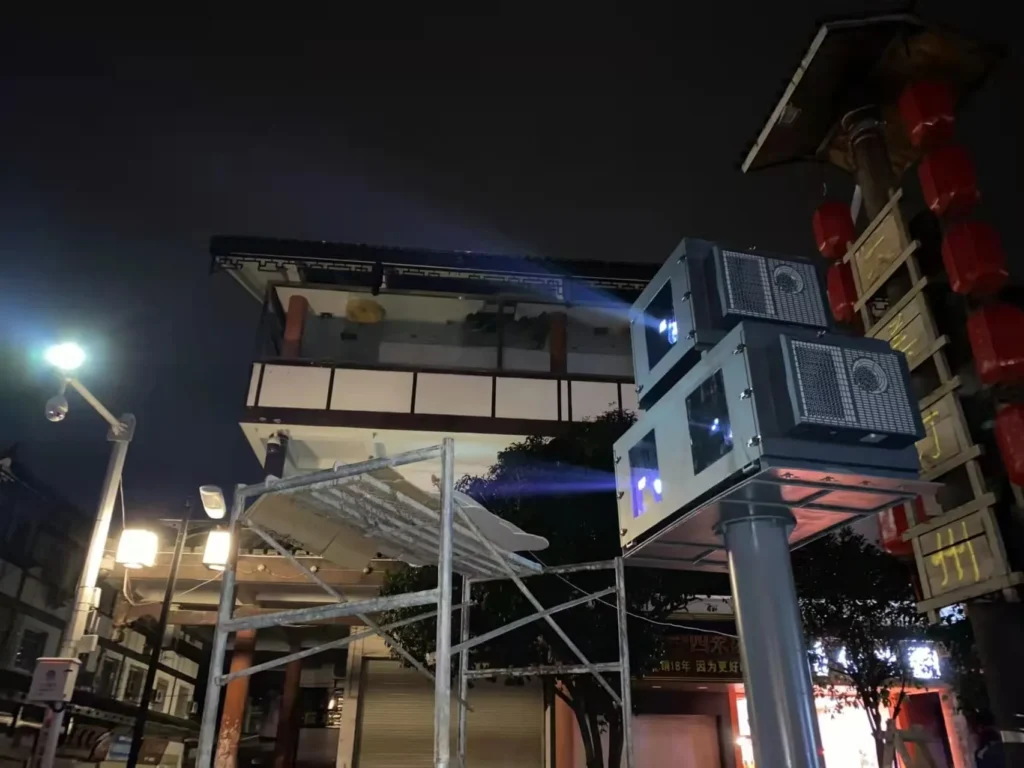
Matching Projector, Surface, and Enclosure Strategy
For home use, a portable screen and a weather-protected projector may be enough. For commercial outdoor projection, architectural mapping, cultural tourism shows, theme parks, or advertising installations, the “screen” may be a building, stage surface, sculpture, or custom projection membrane.
Key selection factors include:
- Brightness: Higher lumens are required for larger images and higher ambient light.
- Resolution: 4K or WUXGA may be preferred for detailed mapping or large images.
- Throw ratio: The lens must match the projection distance and image size.
- Surface gain: A higher-gain screen improves brightness but may narrow viewing angle.
- Weather exposure: Long-term installations need outdoor-rated protection.
- Cooling requirement: High-brightness projectors need stronger thermal management.
- Alignment needs: Multi-projector blending requires precise lens positioning.
- Maintenance access: Filters, lenses, and cables must remain serviceable.
For a multi-projector outdoor enclosure, the screen or projection surface directly affects enclosure design. Side-by-side blending may require a wider cabinet and carefully aligned optical windows. Vertical stacking may require a taller reinforced structure and airflow separation to prevent lower projector heat from affecting the upper projector.
ShiRui Pro Tip: I prefer to design the enclosure after the projector and lens are selected, not before. The lens throw ratio and lens center position strongly influence optical window placement and internal bracket design.
Key Features & Comparison
The key features of a multi-projector outdoor enclosure include customized internal layout, reinforced structure, separated airflow, higher cooling capacity, multi-lens optical windows, organized power distribution, IP-rated weather protection, and multi-zone maintenance access. Compared with a single outdoor projector enclosure, every design factor becomes more project-specific and engineering-driven.
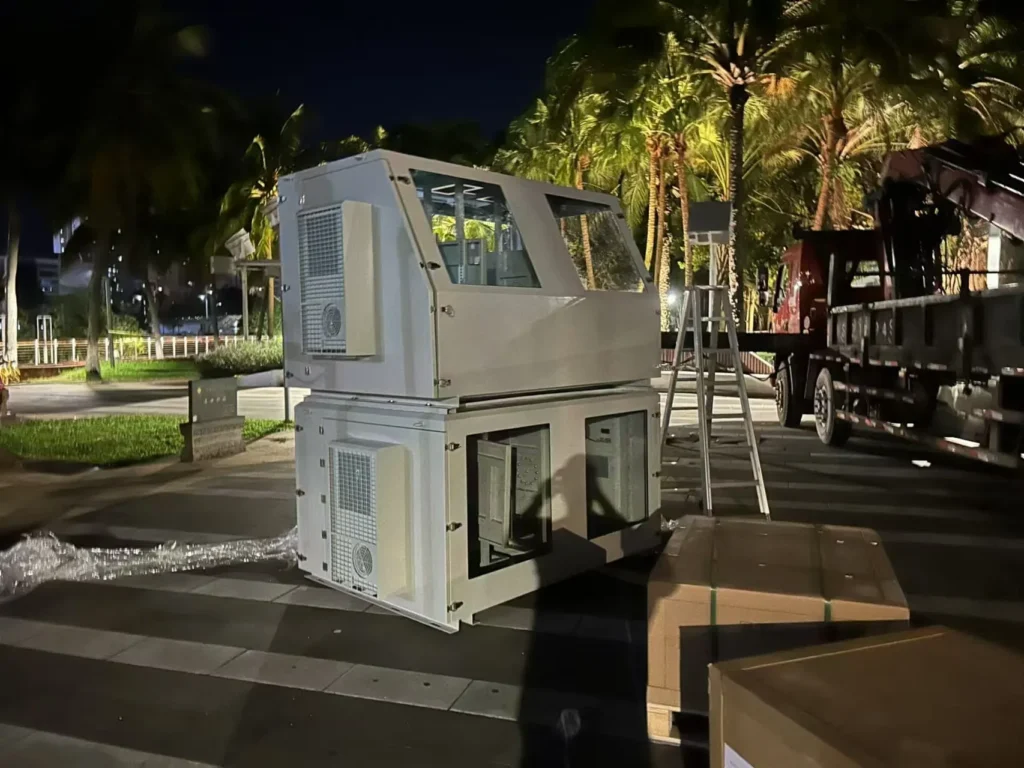
Single-Projector vs Multi-Projector Engineering Differences
A multi-projector outdoor enclosure is not simply an oversized projector box. The design must account for combined thermal load, more complex cable routing, multiple airflow paths, heavier structural loads, and precise alignment between several lenses.
Based on our internal data and market analysis, here is the breakdown:
| Design Factor | Single Projector | Multi-Projector |
|---|---|---|
| Internal Layout | Relatively simple | Project-specific |
| Heat Load | Single heat source | Combined thermal load |
| Cooling Capacity | Lower | Higher |
| Airflow | One airflow path | Multiple airflow paths |
| Structural Load | Lower | Reinforced structure |
| Lens Alignment | One projector | Precise multi-lens alignment |
| Optical Window | Single lens | Multi-lens or layout-specific |
| Power Distribution | Simple | Higher total electrical load |
| Maintenance | Easier | Multiple access zones |
| Mounting Structure | Single mounting point | Reinforced or custom mounting |
| Cabinet Size | Compact | Based on layout and quantity |
| Customization | Model-specific | Model + quantity + arrangement |
| Service Access | Usually one access direction | Front, rear, side, or top access may be needed |
| Cooling Zoning | Usually not required | Often required for stable operation |
| Installation Risk | Lower | Higher if alignment and heat are not controlled |
Side-by-side installation usually requires a wider enclosure and careful horizontal lens alignment. Vertical stacking requires more height, stronger support, and special attention to rising heat. In stacked designs, the lower projector’s exhaust must not increase the intake temperature of the upper projector.
ShiRui Pro Tip: In our design reviews, I treat lens position, airflow, and service access as equal priorities. If any one of these is ignored, the enclosure may protect the projector physically but still fail operationally.
Cost & Buying Factors
The cost of a multi-projector outdoor enclosure depends on projector quantity, cabinet size, material, IP rating, cooling method, optical glass design, structural reinforcement, mounting system, power distribution, and customization level. Air-conditioned enclosures, high-brightness projector systems, and complex alignment structures usually require a higher engineering and manufacturing budget.
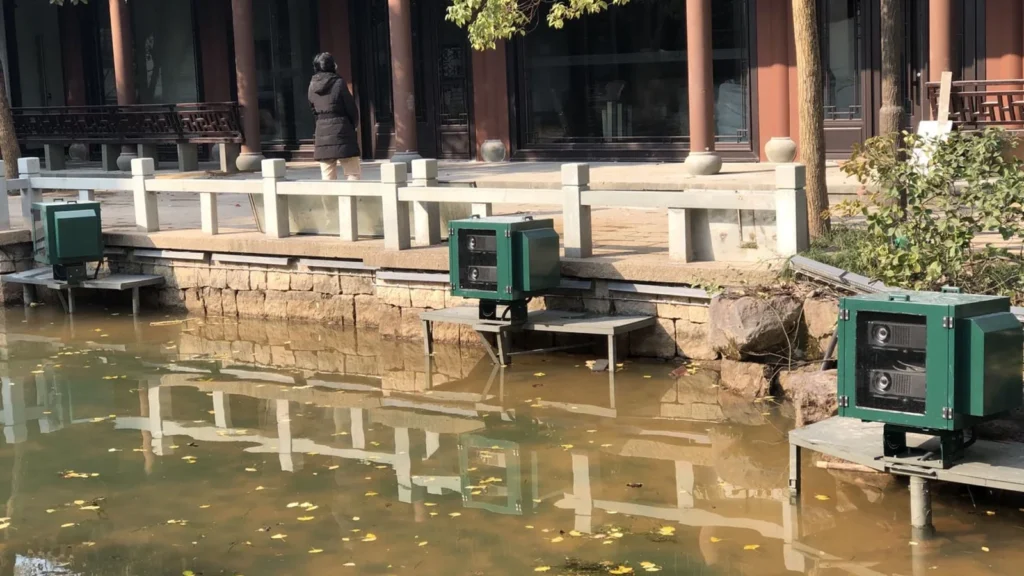
Pricing Drivers for Custom Enclosure Projects
A custom projector enclosure is priced according to engineering requirements, not only cabinet dimensions. A larger cabinet with poor cooling is less valuable than a correctly designed enclosure with stable airflow, safe power distribution, and proper maintenance access.
Based on our internal data and market analysis, here is the breakdown:
| Buying Factor | Cost Impact | Why It Matters |
|---|---|---|
| Number of projectors | High | More projectors increase heat, weight, cable routing, and internal complexity |
| Projector size and weight | Medium to high | Larger projectors need reinforced frames and more space |
| Cooling system | High | Fan cooling, heat exchange, and air conditioning have different costs |
| IP protection level | Medium to high | Higher IP ratings require better sealing, cable glands, and interface design |
| Optical window design | Medium | Multiple lenses require accurate glass size, position, and sealing |
| Material and coating | Medium | Outdoor corrosion resistance affects long-term durability |
| Mounting method | Medium to high | Pole, wall, ceiling, or truss mounting changes structural requirements |
| Power distribution | Medium | Multiple projectors require safe load calculation and protection |
| Maintenance access | Medium | More doors, panels, and service zones increase fabrication complexity |
| Custom engineering | Medium to high | Project-specific layout and thermal calculations require design time |
Important buying questions include:
- Is the enclosure for temporary or permanent outdoor installation?
- Will it operate in direct sunlight?
- What is the maximum and minimum ambient temperature?
- How many hours per day will the projectors run?
- Is fan cooling sufficient, or is air conditioning required?
- Does the project require IP54, IP55, IP65, or another protection level?
- Will the enclosure be mounted on a pole, wall, roof, truss, or ground platform?
ShiRui Pro Tip: I suggest buyers compare quotations by cooling method, IP rating, material thickness, optical glass quality, and service access—not only by cabinet size. The cheapest enclosure can become expensive if it causes overheating or difficult maintenance.
Conclusion
A multi-projector outdoor enclosure should be treated as an engineered projection system, not a larger cabinet. Projector quantity, exact model, layout, total heat load, airflow, optical alignment, structural load, power distribution, IP protection, and maintenance access must all be evaluated before manufacturing begins.
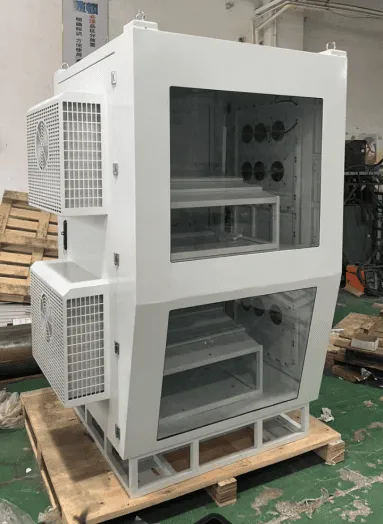
Information Required for a Custom Multi-Projector Enclosure
For professional outdoor projection projects, the enclosure should be customized around the exact projector models and actual installation conditions. This allows the enclosure manufacturer to determine the correct cabinet size, cooling system, optical window layout, support structure, and access design.
Please prepare the following information for a custom multi-projector enclosure:
- Projector brand
- Projector model
- Number of projectors
- Projector dimensions
- Projector weight
- Projector power consumption
- Installation orientation
- Lens position
- Air intake and exhaust position
- Cable connection positions
- Installation location
- Maximum and minimum ambient temperature
- Required operating hours
- Mounting method
- Required IP rating
- Projection layout, such as side-by-side, vertical stacking, or array installation
- Maintenance access requirements
A multi-projector outdoor enclosure is not simply an oversized projector box. It must be designed as a complete outdoor projection protection system that balances cooling, alignment, structure, weatherproofing, electrical safety, and long-term serviceability.
Send ShiRui your projector model, quantity, layout, and installation conditions to determine the appropriate enclosure size, cooling system, optical window design, and internal structure for your projection project.
ShiRui Pro Tip: The fastest way for us to support a project is to receive the projector datasheet, installation drawing, and site temperature range together. With those details, we can evaluate enclosure dimensions, airflow direction, cooling capacity, and mounting reinforcement much more accurately.