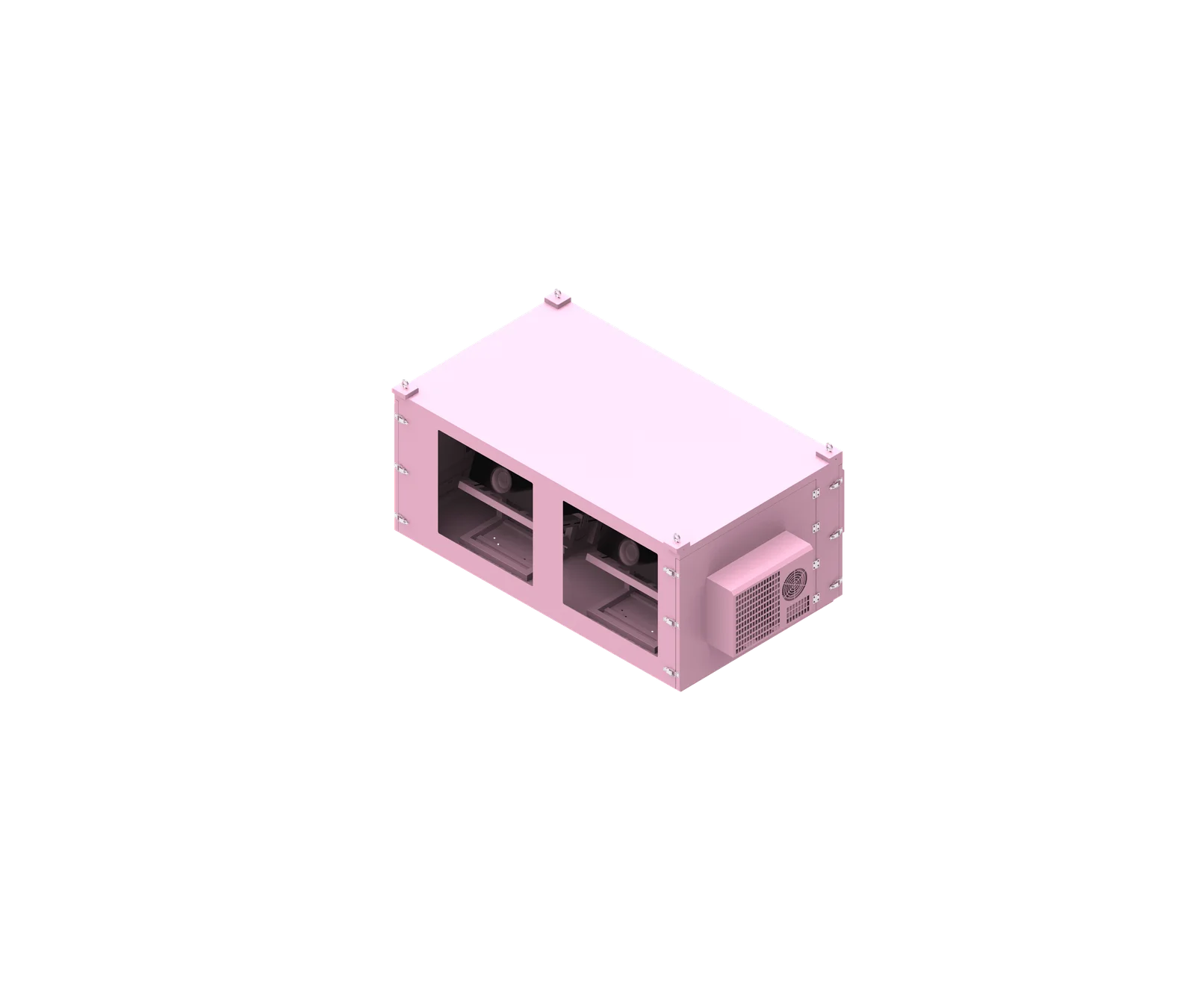
A strong outdoor projector enclosure specification defines the required performance before defining construction details. For engineers, consultants, AV integrators, and buyers, the goal is not simply to request “outdoor use,” “IP65,” or “with air conditioner,” but to describe the projector, lens, climate, thermal load, optical path, electrical system, mounting method, maintenance access, and verification criteria clearly enough for accurate quotation and manufacturing.
Video Guide: Get a closer look at an outdoor projector enclosure designed for professional projection projects. This video presents the enclosure structure and shows how a dedicated housing solution can support projector equipment in permanent outdoor installations, commercial venues, and large-scale visual applications.
What is outdoor projector enclosure specification?
An outdoor projector enclosure specification is a technical document that defines the project conditions, equipment requirements, enclosure performance, verification criteria, and documentation needed before design and quotation. It should identify what the enclosure must achieve, rather than only listing generic construction choices such as material, IP rating, or cooling method.
Video Guide: Learn how a waterproof projector enclosure provides a dedicated housing environment for professional projection equipment. This video presents the enclosure design and its role in supporting projector protection for permanent outdoor installations and demanding projection projects.ol.
Core Purpose of the Specification
A professional outdoor projector enclosure specification helps the manufacturer understand the complete application before proposing a design. From ShiRui’s manufacturing perspective, the most important principle is simple: define the required performance first, then decide the construction details.
A weak request may say:
- Outdoor use
- IP65
- Stainless steel
- With air conditioner
- Suitable for high temperature
These statements sound specific, but they are often incomplete. They do not tell the manufacturer which projector is used, how much heat it produces, where the lens sits, how rain or dust reaches the enclosure, how cables enter, or how the cabinet will be mounted.
A stronger projector enclosure technical specification defines:
Based on our internal data and market analysis, here is the breakdown:
| Specification Section | What Should Be Defined |
|---|---|
| Projector | Exact model, quantity, weight, power consumption, airflow direction |
| Lens | Exact lens model, throw ratio, lens shift, lens dimensions |
| Environment | Temperature, humidity, rain, dust, sand, solar exposure, salt spray |
| Protection | Required IP level and where it applies |
| Thermal | Cooling, heating, condensation control, airflow path |
| Optical | Window position, clear aperture, projection angle, anti-reflection needs |
| Structure | Material, mounting method, wind requirement, service access |
| Electrical | Voltage, frequency, grounding, protection, internal loads |
| Cable Entry | Cable quantity, size, connector dimensions, entry direction |
| Monitoring | Temperature, humidity, door status, alarms, communication method |
| Testing | Thermal, airflow, water/IP, electrical, factory acceptance checks |
ShiRui Pro Tip: I recommend separating mandatory requirements from preferred and optional features in your RFQ. This makes supplier quotations much easier to compare and prevents one manufacturer from quoting a basic cabinet while another quotes a fully engineered system.
How Does outdoor projector enclosure specification Work?
An outdoor projector enclosure specification works by translating project conditions into measurable design requirements. It starts with the projector and lens, then defines environment, thermal management, optical alignment, structure, electrical design, maintenance, testing, and documentation so the enclosure manufacturer can engineer a suitable custom solution.
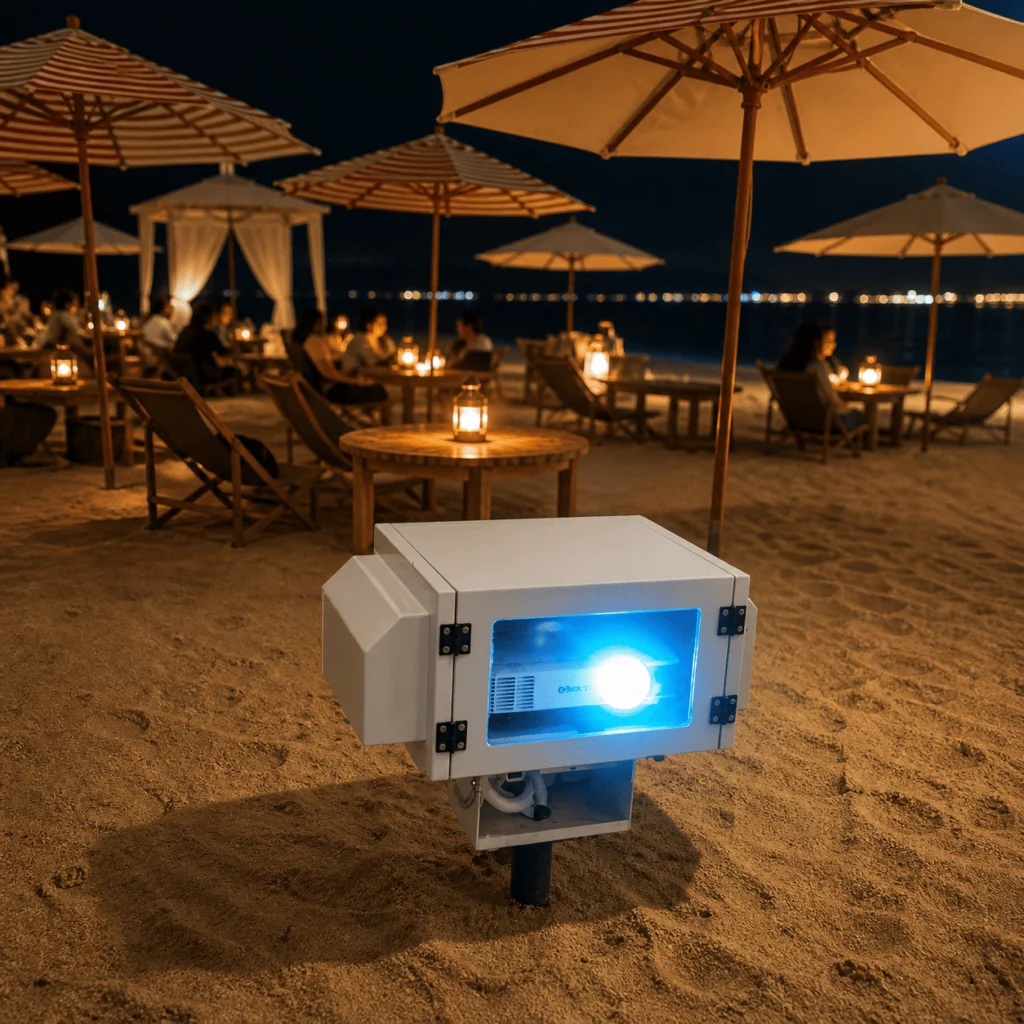
Engineering Workflow From Requirement to Fabrication
A custom projector enclosure specification should guide the project from concept to approval and production. It is not only a purchase description; it is the engineering basis for design, quotation, manufacturing, inspection, and delivery.
A recommended workflow is:
- Define the project application, such as projection mapping, theme park, stadium, cultural tourism, outdoor cinema, or permanent façade projection.
- Confirm the exact projector manufacturer, model, and quantity.
- Confirm the exact lens model, throw ratio, lens shift, and projection geometry.
- Collect projector dimensions, weight, power consumption, intake positions, exhaust positions, and manufacturer clearance requirements.
- Define project location, maximum and minimum ambient temperature, humidity, rain exposure, dust/sand conditions, coastal exposure, and solar exposure.
- Define required environmental protection, including whether an IP rating applies to the complete enclosure, cable entries, doors, or cooling interfaces.
- Define thermal performance requirements and allow the manufacturer to calculate the cooling, heating, ventilation, or hybrid thermal-management method.
- Define optical-window position, clear aperture, lens-to-window relationship, projection angle, and anti-reflection requirements where needed.
- Define mounting method, structural interface, wind requirements if applicable, and service access.
- Define electrical input, internal loads, grounding, bonding, control, monitoring, and cable entry.
- Require drawings for approval before fabrication.
- Define inspection, testing, documentation, packing, and shipment requirements.
ShiRui Pro Tip: I always ask for the projector datasheet, lens datasheet, installation location, and mounting concept before final enclosure design. Without these inputs, even a well-built cabinet can fail optically, thermally, or mechanically.
What brightness do you need for an outdoor projector?
Outdoor projector brightness depends on image size, ambient light, viewing distance, screen or surface reflectivity, content type, and projection purpose. However, brightness alone is not enough for an enclosure specification; the exact projector model is still required because thermal load, airflow, dimensions, and lens position vary widely.
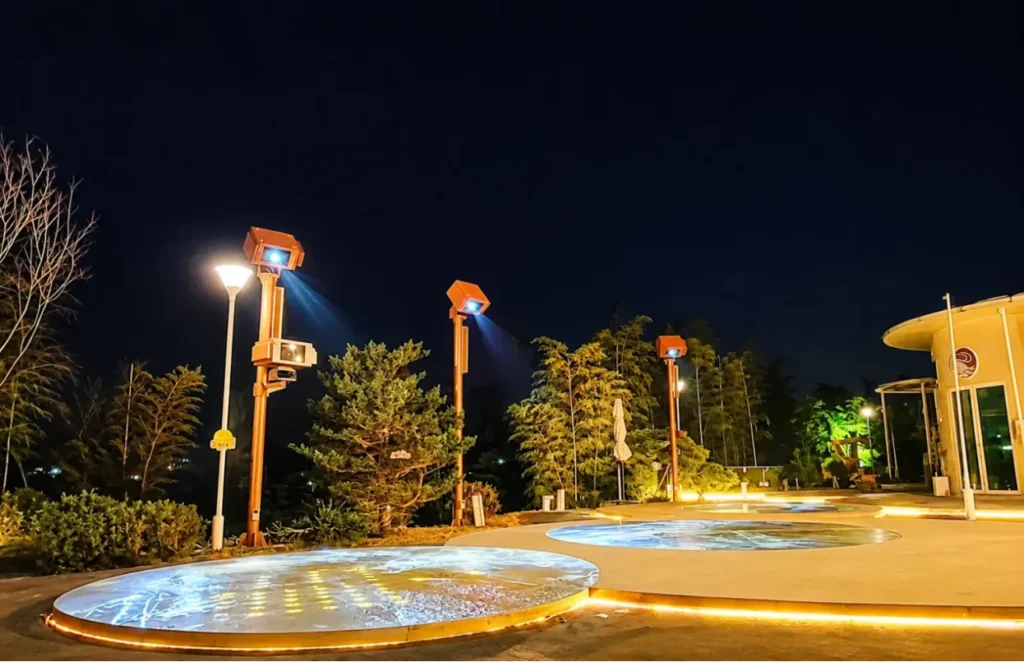
Brightness Is Not a Substitute for Projector Data
Brightness is important for outdoor projection planning, but it should not be used as the only basis for a custom projector enclosure specification. A statement such as “enclosure for a 20,000-lumen projector” is not sufficient for engineering.
Two projectors with similar brightness may have different:
- External dimensions
- Weight
- Lens position
- Intake and exhaust direction
- Power consumption
- Heat output
- Connector locations
- Required clearance
- Service access needs
For enclosure design, the projector’s electrical power and cooling architecture are more useful than lumen output. Lumens describe light output, not total heat load. Thermal design should be based on actual projector data, additional internal equipment, solar exposure, ambient temperature, operating schedule, and enclosure heat transfer.
Based on our internal data and market analysis, here is the breakdown:
| Item | Why It Matters for Enclosure Design |
|---|---|
| Projector brightness | Helps define projection performance, but not enclosure dimensions or cooling by itself |
| Projector power consumption | Helps estimate internal heat load and electrical requirements |
| Projector airflow direction | Determines cabinet intake, exhaust, filters, fans, or cooling layout |
| Lens model | Determines optical-window position and clear aperture |
| Operating schedule | Affects thermal design, component selection, and maintenance planning |
| Ambient light | Affects projector selection, not directly the enclosure structure |
| Projection surface | Affects image brightness requirement and optical planning |
ShiRui Pro Tip: If you only know the required brightness, treat it as a starting point for projector selection, not enclosure design. Once the exact projector and lens are confirmed, the enclosure manufacturer can design around real mechanical, thermal, and optical data.
What are five types of projectors?
Five common projector categories include LCD, DLP, LCoS, laser projectors, and lamp-based projectors. For enclosure design, the technology type is less important than the exact model, because each projector may have different dimensions, airflow, lens configuration, heat load, mounting points, and service requirements.
Video Guide: See how a waterproof projector enclosure supports reliable outdoor projection by providing a dedicated housing solution for professional projector equipment. This video presents the enclosure design and its role in long-term installations and demanding outdoor project environments.
Projector Type Versus Enclosure Requirement
A projector enclosure manufacturer should not design only around the projector technology category. The specification must identify the exact projector model and lens, because real mechanical and thermal details vary by product.
Five common projector types are:
- LCD projectors
Often used in commercial and education applications. Enclosure design still depends on the specific cabinet size, airflow, lens position, and power rating. - DLP projectors
Common in professional AV, cinema, mapping, and events. High-brightness DLP units may have complex airflow and interchangeable lenses. - LCoS projectors
Used where image quality and smooth pixel structure are important. Optical alignment and window quality may be especially important. - Laser projectors
Common in modern outdoor installations because of brightness, stability, and maintenance advantages. The enclosure must still respect the projector manufacturer’s cooling and operating requirements. - Lamp-based projectors
Still used in some applications. Lamp replacement access, heat, and ventilation may influence enclosure design.
Based on our internal data and market analysis, here is the breakdown:
| Projector Type | Specification Focus for Enclosure |
|---|---|
| LCD | Airflow path, filter access, lens position, cable access |
| DLP | Heat load, interchangeable lens, optical alignment, service access |
| LCoS | Optical-window quality, image path, condensation control |
| Laser | Thermal stability, long operating schedule, monitoring |
| Lamp-based | Heat removal, lamp replacement access, exhaust management |
ShiRui Pro Tip: I prefer to receive the projector brand, exact model, lens model, datasheet, and mechanical drawing together. Projector technology is useful background, but exact product data is what allows a reliable enclosure design.
What size is a standard projector screen?
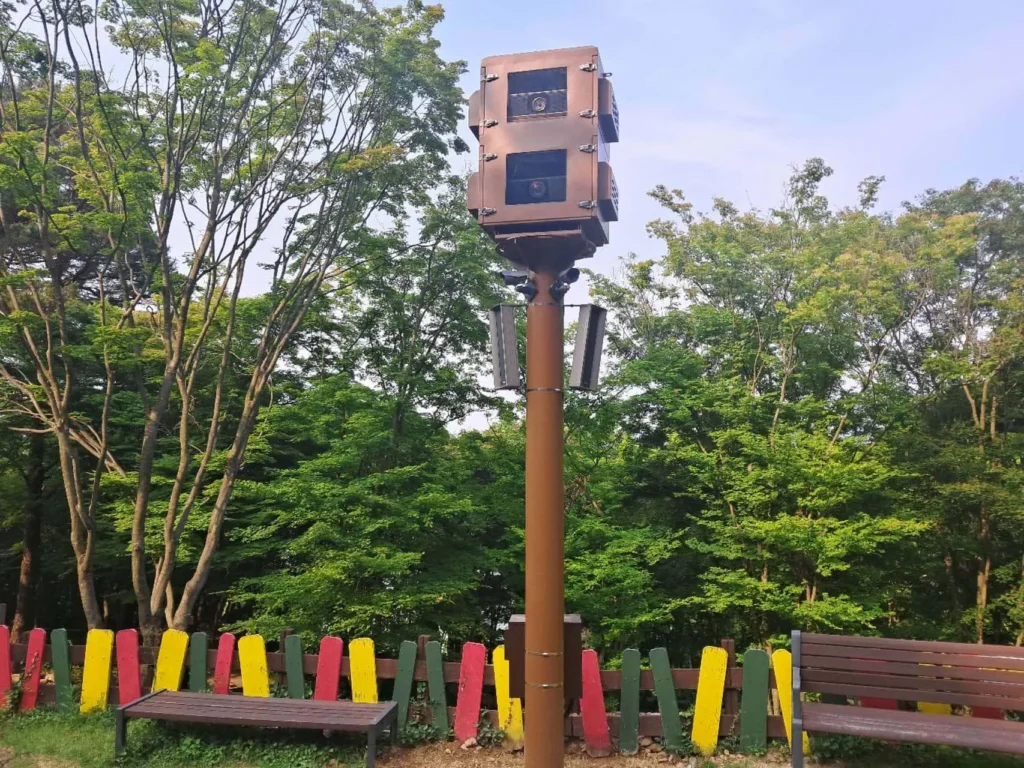
There is no single standard outdoor projector screen size for enclosure specification. Screen or image size should be defined together with throw distance, projection angle, lens throw ratio, lens shift, projector orientation, and installation position so the optical window can be designed without vignetting or unwanted reflection.
Screen Size and Optical Geometry Requirements
For an outdoor projector enclosure, screen size is not just a viewing issue. It directly affects projector selection, lens selection, projection angle, optical-window size, and cabinet orientation.
The specification should provide projection geometry where available:
- Image width and height
- Projection surface type
- Throw distance
- Projection angle
- Projector orientation
- Lens throw ratio
- Lens shift condition
- Lens center position
- Lens-to-window distance
- Required clear aperture
- Any anti-reflection or ghosting concerns
The optical window should not simply be centered on the cabinet. It should be designed around the real lens center, lens shift, projection cone, and projector placement inside the enclosure.
Based on our internal data and market analysis, here is the breakdown:
| Optical Item | Why It Should Be Specified |
|---|---|
| Image size | Helps confirm projector and lens selection |
| Throw distance | Determines lens type and projection cone |
| Projection angle | Affects window position and possible reflection |
| Lens shift | Determines whether the beam is centered or offset |
| Lens model | Defines physical lens dimensions and optical path |
| Clear aperture | Prevents beam clipping and vignetting |
| Window alignment | Maintains image quality and installation accuracy |
ShiRui Pro Tip: I do not recommend approving a custom enclosure drawing until the optical-window position is checked against the exact projector, lens, throw distance, and lens shift. A few millimeters of error can become visible on a large outdoor image.
Key Features & Comparison
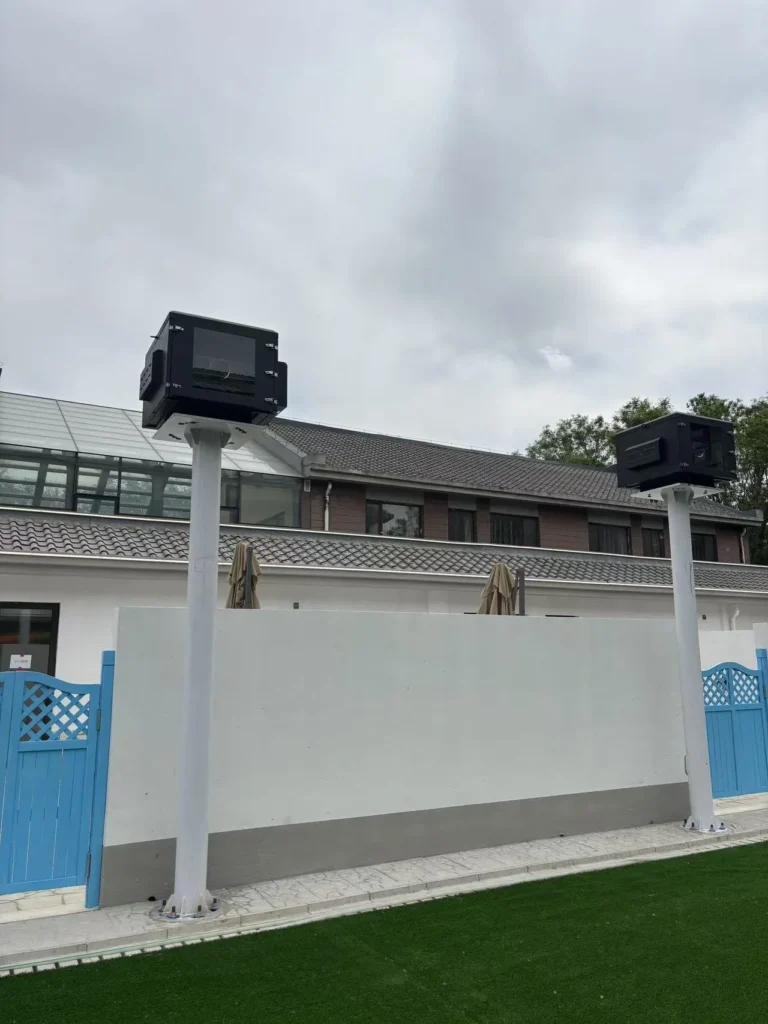
Key features in an outdoor projector enclosure specification include environmental protection, thermal management, optical-window design, mechanical structure, mounting, electrical distribution, cable entry, monitoring, service access, and verification. The best specification distinguishes mandatory project requirements, manufacturer design recommendations, optional features, and performance testing requirements.
Specification Priorities and Feature Comparison
A professional custom projector enclosure specification should not treat all features equally. Some requirements are mandatory because they affect safety, equipment survival, or project function. Some are design recommendations best handled by the manufacturer. Others are optional functions that may be quoted separately.
Based on our internal data and market analysis, here is the breakdown:
| Feature Area | Mandatory Requirement | Manufacturer Recommendation | Optional Feature | Verification Method |
|---|---|---|---|---|
| Projector data | Exact model, quantity, dimensions, weight, power | Internal clearance and support method | Spare mounting plate | Drawing review |
| Lens and optics | Lens model, projection geometry, window location | Clear aperture and anti-reflection strategy | Special optical coating | Optical layout review |
| Environment | Temperature, humidity, rain, dust, salt exposure | Material and coating selection | Sun shield or insulation | Design review or inspection |
| IP protection | Required level, if contractually needed | Sealing design and cable-entry method | Accredited IP test | QC check or formal test |
| Thermal management | Internal operating requirement and heat load basis | Cooling/heating method | Remote thermal monitoring | Thermal calculation or test |
| Condensation control | Humidity risk and operating condition | Circulation, heating, or dehumidification approach | Dew-point monitoring | Sensor check or test |
| Structure | Mounting method and load interface | Reinforcement and service access | Custom bracket | Drawing and dimensional inspection |
| Wind requirement | Project-specific criterion if required | Structural concept coordination | Engineering calculation | Project-specific review |
| Electrical system | Voltage, frequency, grounding, internal loads | Protection and wiring layout | Surge monitoring | Electrical inspection |
| Cable entry | Cable type, quantity, diameter, connector size | Gland plate or conduit interface | Pre-wired terminals | Visual and fit check |
| Maintenance | Door access and projector removal path | Service-friendly layout | Tool-less filter access | Access demonstration |
| Monitoring | Required alarms and communication method | Sensor placement strategy | 4G/5G, Wi-Fi, Ethernet gateway | Functional test |
| Documentation | Required drawings and manuals | Approval drawing package | Full FAT report | Document review |
A complete projector enclosure RFQ should also include a checklist:
- Project application
- Projector brand and exact model
- Projector quantity
- Lens model
- Projector dimensions
- Projector weight
- Power consumption
- Airflow direction
- Project location
- Maximum ambient temperature
- Minimum ambient temperature
- Humidity
- Rain exposure
- Dust and sand conditions
- Coastal or salt-spray exposure
- Solar exposure
- Required IP rating, if any
- Cooling requirement
- Heating requirement
- Temperature and humidity control
- Internal operating requirement
- Optical-window requirement
- Lens shift
- Throw ratio
- Projection distance
- Projection angle
- Enclosure material, if fixed
- Surface finish
- Mounting method
- Wind requirement, if applicable
- Cable entry
- Power supply
- Electrical requirements
- Remote monitoring
- Maintenance access
- Testing requirements
- Required drawings
- Certification requirements
- Quantity
- Delivery destination
ShiRui Pro Tip: When reviewing a projector enclosure RFQ, I look for missing information before looking at price. If the projector model, lens, environment, thermal requirement, and mounting method are unclear, the quotation will usually contain assumptions that create risk later.
Cost & Buying Factors
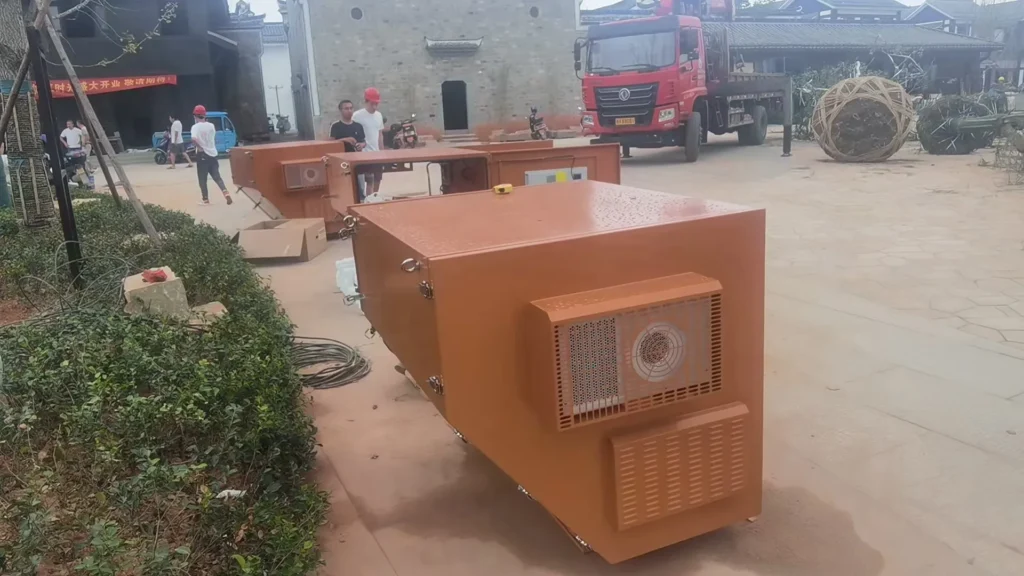
The cost of an outdoor projector enclosure depends on projector size, heat load, environmental exposure, cooling method, material, surface treatment, optical-window requirements, mounting structure, monitoring, electrical system, testing, documentation, quantity, and packaging. A reliable quotation requires project-specific data, not a generic enclosure description.
What Drives Quotation Accuracy
For buyers and AV integrators, the lowest initial enclosure price is not always the lowest project cost. Missing requirements can cause redesign, installation delays, field modification, overheating, optical obstruction, cable-entry problems, or maintenance difficulty.
A good custom projector enclosure specification helps the manufacturer quote the same technical scope that the project actually needs.
Based on our internal data and market analysis, here is the breakdown:
| Cost Factor | Why It Affects Price |
|---|---|
| Projector size and weight | Larger or heavier projectors may require stronger structure, larger doors, and different support systems |
| Number of projectors | Multi-projector cabinets require more space, airflow planning, electrical distribution, and optical windows |
| Thermal management | Natural ventilation, forced air, heat exchanger, or air conditioning have different costs and complexity |
| Environmental exposure | Rain, dust, sand, salt spray, solar exposure, and humidity influence sealing, material, coating, and components |
| Optical requirements | Window size, alignment, anti-reflection needs, and mechanical protection affect design and fabrication |
| Mounting method | Pole, wall, ceiling, platform, floor, or custom steel structure changes bracket and reinforcement requirements |
| Electrical system | Voltage, protection, grounding, monitoring, sensors, and internal wiring affect component selection |
| Maintenance design | Additional doors, removable rails, filter access, and service space can increase fabrication complexity |
| Testing scope | Factory inspection, thermal testing, airflow verification, water inspection, or accredited testing have different costs |
| Documentation | Drawings, wiring diagrams, inspection records, manuals, and test reports require engineering time |
| Quantity | Higher quantities may improve unit cost but require production consistency and packaging planning |
| Packing and shipping | Export crates, moisture protection, optical-window protection, and shipping orientation may affect total cost |
Recommended RFQ organization:
- Scope
- Projector information
- Environmental conditions
- Mechanical requirements
- Thermal management
- Optical requirements
- Electrical requirements
- Cable entry
- Mounting and structural requirements
- Monitoring and controls
- Maintenance
- Testing and inspection
- Documentation
- Packaging and delivery
ShiRui Pro Tip: I suggest asking suppliers to list their assumptions in the quotation. If one quotation assumes forced-air cooling and another assumes air conditioning, the prices are not directly comparable even if both say “outdoor projector enclosure.”
Conclusion
A good outdoor projector enclosure specification starts with the exact projector and lens, then defines climate, thermal management, optical geometry, electrical requirements, mounting, cable entry, maintenance, testing, and documentation. Clear specifications reduce misunderstanding, improve quotation accuracy, and help manufacturers deliver reliable custom enclosures.
Video Guide: Explore a waterproof projector box designed to integrate and protect professional projection equipment in permanent outdoor projects.
Final Specification Approach for Buyers and Engineers
The most important message is this: a projector enclosure specification should define performance requirements before defining construction details.
Instead of writing only:
- IP65
- Stainless steel
- Air conditioner
- Outdoor use
A professional outdoor projector enclosure requirements document should define:
- Exact projector model
- Exact lens model
- Projector quantity
- Projector dimensions and weight
- Projector power consumption
- Air-intake and exhaust locations
- Project application
- Project location
- Maximum and minimum ambient temperature
- Humidity and condensation risk
- Rain, dust, sand, salt, and solar exposure
- Required IP rating, if applicable
- Internal operating requirement
- Cooling, heating, and airflow requirements
- Optical-window position and projection geometry
- Enclosure material or corrosion environment
- Mounting method and structural interface
- Cable-entry requirements
- Electrical input and protection requirements
- Remote monitoring, if required
- Maintenance access and projector removal path
- Drawings for approval
- Inspection, testing, and documentation requirements
- Packing, delivery, quantity, and spare parts
Final engineering workflow:
- Project requirements
- Projector model
- Lens model
- Environmental conditions
- Projection geometry
- Thermal load
- IP target, if required
- Cooling and heating concept
- Optical-window design
- Internal mounting structure
- Cable entry
- Electrical design
- Structural and mounting design
- Maintenance design
- Technical drawing
- Customer approval
- Fabrication
- Assembly
- Testing
- Shipment
ShiRui Pro Tip: Before sending a projector enclosure RFQ, I recommend preparing the projector datasheet, lens datasheet, site climate data, mounting concept, cable list, and required tests. With these inputs, ShiRui can provide a more accurate custom projector enclosure specification, drawing, and quotation.