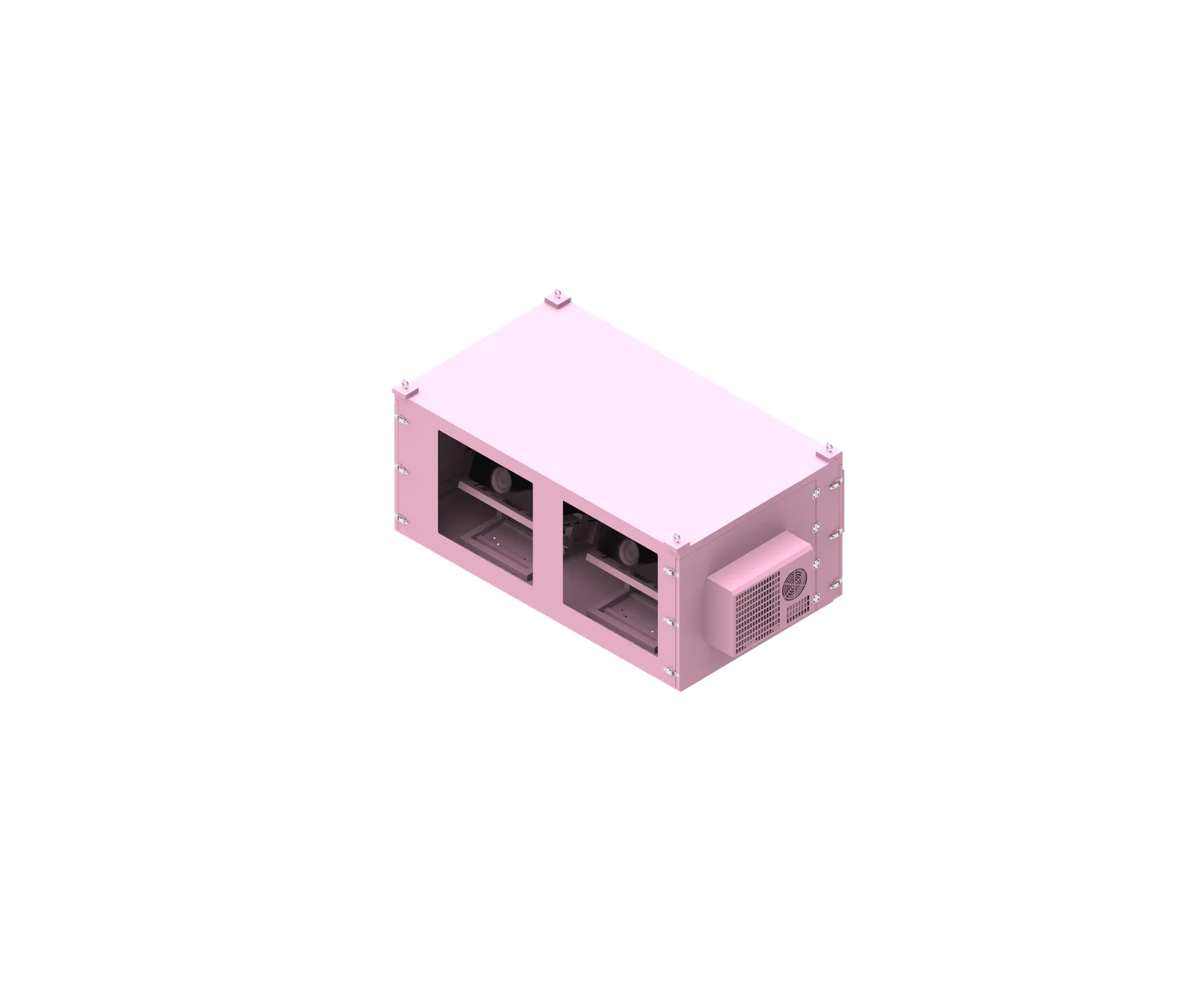
Professional building projection mapping places unusual demands on outdoor equipment because the projector must operate reliably through heat, rain, dust, humidity, and long nightly runtime. A properly engineered outdoor projector enclosure for projection mapping protects the projector while preserving airflow, lens alignment, image quality, and service access. For ShiRui, the key principle is simple: the enclosure should be designed around the projector and environment, not cabinet size alone.
What is outdoor projector enclosure for projection mapping?
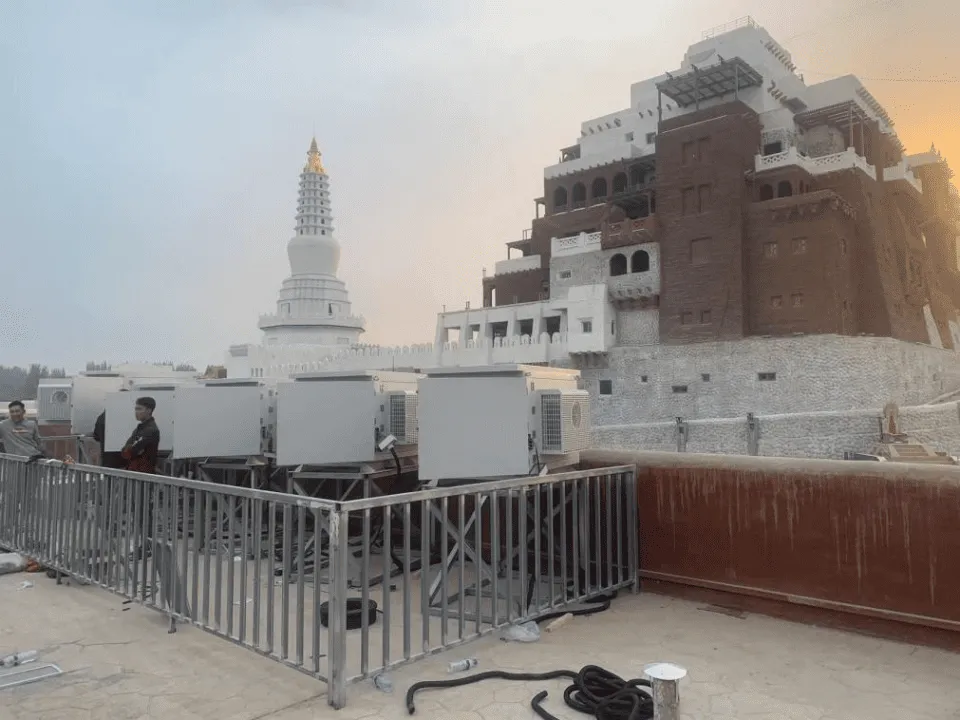
An outdoor projector enclosure for projection mapping is a weather-protected, temperature-managed cabinet designed to house professional projectors used on building façades, plazas, theme parks, and outdoor shows. It protects the projector from rain, dust, humidity, heat, insects, and corrosion while maintaining optical alignment and stable operating conditions.
Purpose and Project-Specific Role
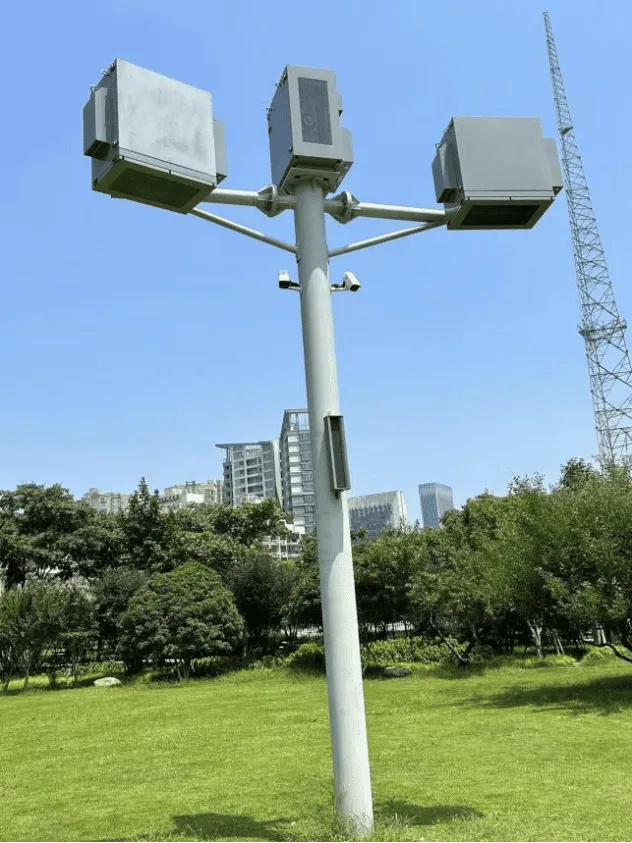
A projection mapping projector enclosure is not just a box that keeps rain away. In building projection mapping, it becomes part of the projection system because it affects thermal stability, lens position, image sharpness, projector safety, and long-term maintenance.
For professional projects, the enclosure should be matched to the exact projector model, lens, airflow layout, installation angle, and environmental conditions. High-brightness projectors often generate significant heat, so the enclosure must combine weather sealing with controlled cooling.
Based on our internal data and market analysis, here is the breakdown:
| Design Factor | General Outdoor Projection | Building Projection Mapping |
|---|---|---|
| Projector brightness | Low to medium | Often high brightness |
| Projector quantity | Often single | Single or multiple |
| Operating hours | Short to medium | Often long-term |
| Image alignment | Basic | High precision |
| Edge blending | Usually not required | Often required |
| Thermal load | Lower | Often higher |
| Cooling design | Relatively simple | Project-specific |
| Mounting | Standard | Custom structure often required |
| Optical window | Standard | Precise lens alignment |
| Maintenance | Easy access | May be installed at height |
| Enclosure design | Standard or custom | Strong customization need |
ShiRui Pro Tip: We always recommend confirming the projector model, lens type, installation angle, and local temperature range before designing the enclosure, because these details determine the cooling system, optical window position, and internal mounting layout.
How Does outdoor projector enclosure for projection mapping Work?
An outdoor projector enclosure for projection mapping works by creating a controlled protective environment around the projector. It blocks weather, filters dust, manages airflow, removes heat, prevents condensation, supports stable lens alignment, and allows cables and maintenance access without interfering with projector intake or exhaust paths.
Video Guide: Discover the key features of our waterproof projector box for professional outdoor projection systems. This video highlights waterproof, dustproof and corrosion-resistant protection, along with anti-frost, heating and dehumidification functions designed to support reliable projector operation in demanding outdoor environments.
Weather Protection, Cooling, and Optical Control
A professional outdoor projector enclosure works through several coordinated systems. Waterproofing alone is not enough, because a sealed cabinet can trap heat. Cooling alone is also not enough, because uncontrolled air openings can allow water, dust, insects, and humidity into the cabinet.
The most reliable design balances these functions:
- Weather sealing protects against rain, splashing water, UV exposure, corrosion, and insects.
- Thermal management removes heat generated by high-brightness projectors using fan ventilation, heat exchange, or industrial air conditioning.
- Airflow guidance keeps projector intake and exhaust paths separate so hot air does not recirculate.
- Optical window alignment allows the projection beam to pass through high-transmittance glass without clipping the image.
- Condensation control reduces moisture accumulation around the lens, electronics, and power components.
- Structural support keeps the projector stable after image alignment and edge blending.
- Cable management organizes power, video, network, and control cables without blocking airflow.
ShiRui Pro Tip: In our enclosure design process, we first study the projector’s original intake and exhaust locations. If the cabinet layout fights the projector’s airflow, even a powerful cooling system may fail to protect the equipment properly.
What is the best outdoor projector for projection mapping?
The best outdoor projector for projection mapping is usually a high-brightness professional laser projector with suitable resolution, lens options, edge-blending support, stable color performance, and reliable continuous operation. The enclosure must then be customized around that projector’s heat load, dimensions, lens position, airflow design, and installation environment.
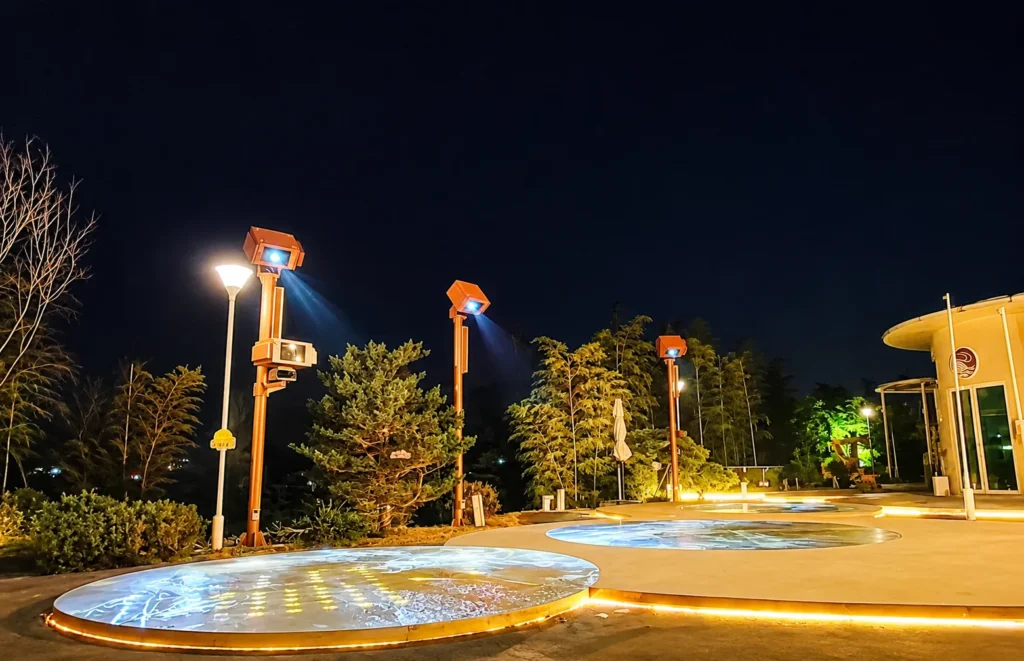
Projector Selection Priorities
For building projection mapping, projector choice depends on façade size, throw distance, ambient light, content detail, and required visual impact. Outdoor projection mapping is different from backyard movie projection because the image may need to cover a large architectural surface while staying bright and accurately aligned.
Based on our internal data and market analysis, here is the breakdown:
| Selection Factor | Why It Matters for Building Projection Mapping |
|---|---|
| Brightness | Large façades and long throw distances require higher lumen output |
| Laser light source | Supports stable brightness and long operating life |
| Lens options | Enables correct throw ratio, lens shift, and projection angle |
| Resolution | Improves detail on architectural surfaces and complex visuals |
| Edge blending | Needed when multiple projectors create one seamless image |
| Color consistency | Important for multi-projector matching |
| Heat output | Directly affects enclosure cooling capacity |
| Weight and size | Determines internal brackets, rails, and structural strength |
| Power consumption | Affects heat generation and electrical design |
| Service access | Important when projectors are installed at height or in restricted areas |
A good projector still needs a suitable projection mapping projector enclosure. If a high-brightness projector is placed in a generic outdoor box without proper airflow and temperature control, image performance and projector life may both suffer.
ShiRui Pro Tip: When clients ask us which projector is best, we also ask where it will be installed. A projector that works well in a cool rooftop location may need a very different enclosure design in a hot, humid plaza or coastal environment.
What kind of projector is needed for projection mapping?
Projection mapping normally requires a professional projector with sufficient brightness, accurate lens control, stable image output, and compatibility with mapping software or media servers. For building projection mapping, high-brightness laser projectors are often preferred, especially when multiple units are blended across large façades or long-distance projection surfaces.
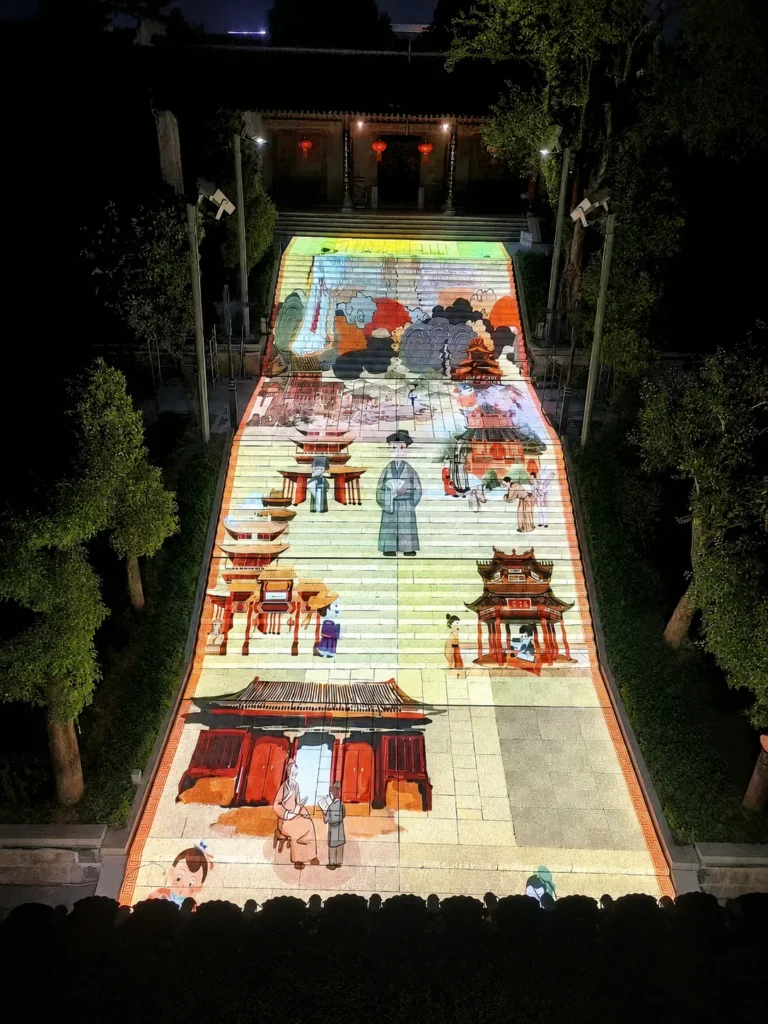
Technical Requirements for Mapping Projectors
A projection mapping projector must do more than display a large image. It must produce a stable, controllable image that can be warped, blended, aligned, and repeated accurately over many operating hours.
Key projector requirements often include:
- High brightness: Required for large buildings, long throws, and areas with ambient light.
- Laser light source: Helps reduce lamp replacement and supports long-term installations.
- Interchangeable lenses: Allows matching the throw distance and projection angle.
- Lens shift and adjustment: Helps align the projected image without excessive mechanical repositioning.
- High resolution: Improves content detail and architectural edge definition.
- Edge-blending capability: Essential for multi-projector façade coverage.
- Network control: Useful for remote monitoring and scheduled operation.
- Stable color output: Important when multiple projectors must match across one surface.
- Known airflow layout: Critical for custom projector enclosure design.
- Reliable continuous operation: Needed for nightly shows and permanent installations.
For enclosure design, the projector’s power consumption and heat generation are just as important as its brightness. Two projectors with similar lumen ratings may require different cooling strategies if their exhaust direction, chassis layout, or operating temperature limits differ.
ShiRui Pro Tip: Before we design a custom projector enclosure, we request the projector datasheet and lens information. Guessing the lens position or airflow direction can lead to optical obstruction, overheating, or difficult maintenance later.
How much does a projection mapping projector cost?
A projection mapping projector can cost from several thousand dollars to well over tens of thousands, depending on brightness, resolution, lens system, laser technology, and brand. The total project budget should also include the outdoor projector enclosure, cooling system, mounting structure, power distribution, cables, media server, and installation work.
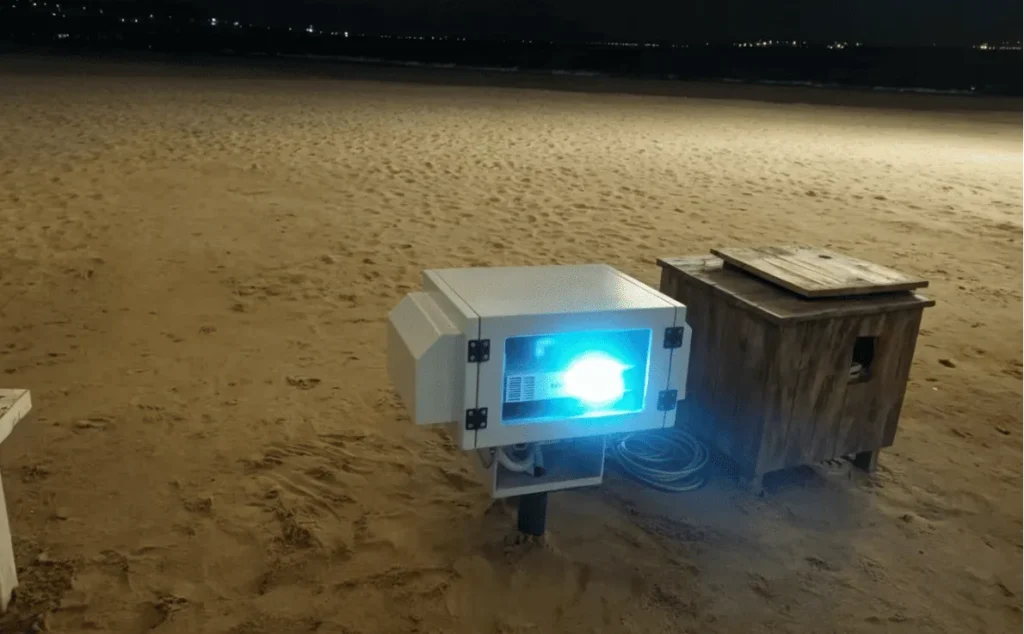
Budget Components Beyond the Projector
The projector is often the largest equipment cost, but it is not the only cost that matters. In building projection mapping, the enclosure can become a critical investment because it protects expensive equipment that may be installed outdoors for months or years.
Based on our internal data and market analysis, here is the breakdown:
| Cost Item | Typical Influence on Budget |
|---|---|
| Projector brightness | Higher brightness usually increases projector cost |
| Lens | Specialized short-throw, long-throw, or zoom lenses add cost |
| Projector quantity | Multi-projector mapping multiplies equipment and enclosure needs |
| Enclosure material | Stainless steel, aluminum, or coated steel affect price |
| Cooling system | Fan cooling is lower cost; industrial AC is higher cost |
| Optical glass | High-transmittance glass improves image quality but adds cost |
| Mounting structure | Rooftop, pole, wall, or elevated installs need stronger support |
| Power distribution | Multi-projector systems require safer electrical planning |
| Environmental protection | Coastal, humid, dusty, or hot sites require stronger design |
| Maintenance access | Larger doors, slide rails, and service layouts affect fabrication |
For high-heat-load projectors, a simple fan-cooled outdoor projector enclosure may not be enough. Industrial air-conditioning temperature control can increase initial cost, but it can reduce risk in hot climates or long-running installations.
ShiRui Pro Tip: We advise clients not to evaluate enclosure cost only by dimensions. A smaller cabinet with air conditioning, optical glass, stainless hardware, and custom mounting may be more complex than a larger basic ventilation box.
Key Features & Comparison
A professional outdoor projector enclosure should provide weather protection, temperature control, precise optical alignment, strong structural support, organized cable routing, and practical maintenance access. For building projection mapping, these features must be engineered as one system because brightness, heat, lens position, projection angle, and installation conditions are all connected.
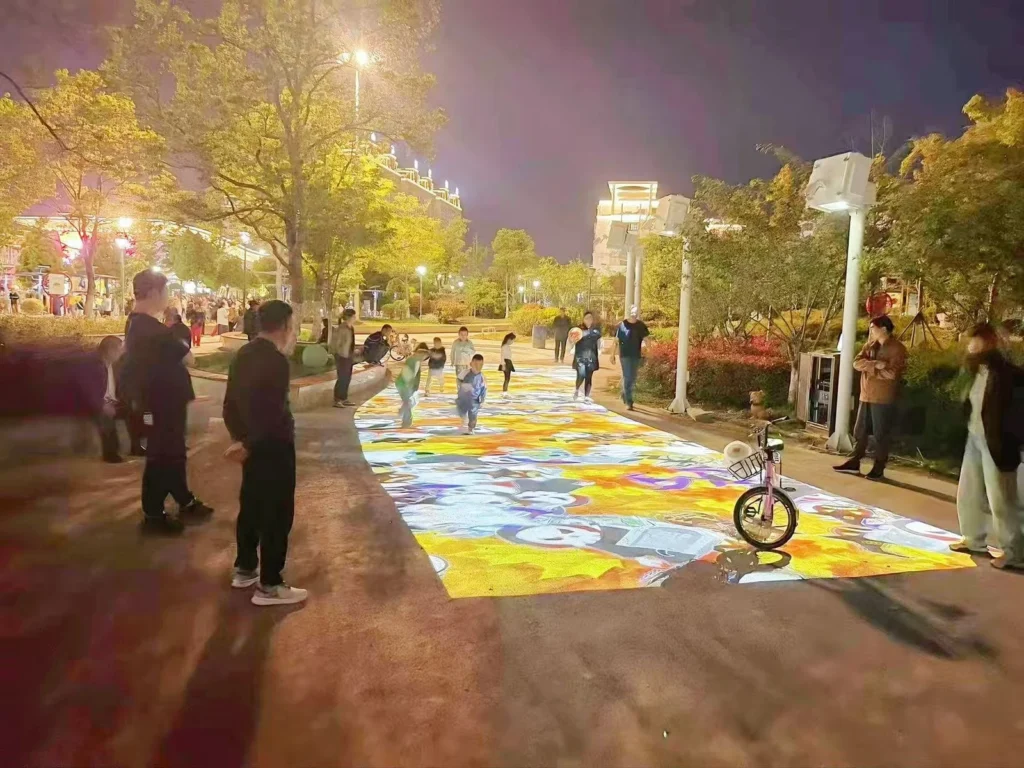
Feature Comparison for Professional Mapping Enclosures
Based on our internal data and market analysis, here is the breakdown:
| Feature | Basic Outdoor Projector Box | Professional Projection Mapping Enclosure | Why It Matters |
|---|---|---|---|
| Weather protection | Basic rain cover | Sealed, corrosion-resistant, UV-resistant structure | Supports long-term outdoor use |
| Cooling | Simple fan ventilation | Fan, heat exchanger, or industrial AC based on heat load | Protects high-brightness projectors |
| Airflow design | General ventilation | Matched to projector intake and exhaust positions | Prevents hot-air recirculation |
| Optical window | Standard opening or glass | High-transmittance glass aligned to lens and shift range | Reduces light loss and image obstruction |
| Condensation control | Often limited | Designed for humidity and temperature changes | Protects lens and electronics |
| Mounting | Basic shelf | Adjustable internal bracket, rails, or precision mount | Supports alignment and edge blending |
| Multi-projector support | Rare | Designed for total heat load and independent airflow | Prevents thermal interference |
| Cable routing | Simple entry holes | Organized power, signal, network, and control routing | Improves safety and maintenance |
| Maintenance access | One door | Multiple access panels or service doors | Useful for elevated installations |
| Structural strength | Light-duty | Engineered for projector, enclosure, cooling, and accessories | Improves safety and stability |
A custom projector enclosure for building projection mapping should account for the complete installation environment. A cabinet used on a coastal plaza may need stronger corrosion resistance, while one used in a hot scenic attraction may need air-conditioning control and condensation management.
ShiRui Pro Tip: For multi-projector mapping, we do not simply enlarge a single-projector cabinet. We calculate total heat load, airflow separation, service clearance, lens spacing, structural balance, and cable routing for the complete system.
Cost & Buying Factors
When buying an outdoor projector enclosure for projection mapping, the main cost factors are projector size, heat load, cooling method, material, optical window design, mounting method, environmental protection level, and customization complexity. The best value comes from matching the enclosure specification to the actual projector and site conditions.
Video Guide: xplore our projector waterproof case with IP65/IP66 protection, designed for professional projection equipment and long-term outdoor installations.
Practical Buying Checklist
Before ordering a projection mapping projector enclosure, confirm the technical details that affect enclosure design. This avoids under-sized cooling, blocked airflow, poor lens alignment, and difficult installation.
Use this checklist during procurement:
- Projector brand and exact model
- Projector quantity for single or multi-projector mapping
- Brightness and power consumption
- Projector dimensions and weight
- Lens model, lens diameter, and lens position
- Lens shift range and projection angle
- Air intake and exhaust locations
- Expected operating hours per day
- Minimum and maximum ambient temperature
- Local humidity, dust, rain, snow, or coastal corrosion conditions
- Installation method, such as wall, pole, rooftop, platform, or ground mount
- Cable requirements for power, video, network, and control
- Maintenance access direction and service clearance
- Need for fan cooling, heat exchanger, or industrial air conditioning
- Requirement for single-projector or multi-projector internal layout
The buying decision should not be based only on whether the projector physically fits inside the enclosure. A cabinet that is large enough may still fail if the cooling path, optical window, and maintenance access are wrong.
ShiRui Pro Tip: When you send us project information, include site photos if possible. They help us understand mounting direction, access limitations, sunlight exposure, cable entry points, and whether the enclosure needs special structural reinforcement.
Conclusion
A reliable outdoor projector enclosure for building projection mapping should be engineered around the projector and project environment, not selected by cabinet size alone. High-brightness projectors, long runtime, multi-projector blending, outdoor weather, airflow paths, lens alignment, and maintenance access all determine the correct enclosure design.
Engineering the Enclosure Around the Project
For professional building projection mapping, the enclosure is a technical system that protects both image performance and projector reliability. The design should start with the projector model, lens position, heat output, airflow requirements, installation location, and expected operating conditions.
A ShiRui custom projector enclosure can be configured for single projectors, multi-projector systems, high-heat-load equipment, industrial temperature control, precise optical window placement, and long-term outdoor operation.
Key takeaways:
- The enclosure should match the exact projector model and lens.
- Cooling must be selected according to heat load, ambient temperature, and runtime.
- Air intake and exhaust paths should remain unobstructed.
- Optical glass must align with lens position, projection angle, and lens shift.
- Multi-projector systems require independent planning for heat, alignment, and power.
- Outdoor protection should include rain, dust, humidity, condensation, UV, insects, and corrosion.
- Maintenance access is essential when equipment is installed at height or in restricted areas.
Planning a building projection mapping project? Send ShiRui your projector model, quantity, installation method, operating hours, and local temperature conditions. We can help determine the enclosure size, cooling system, optical window position, and internal layout required for your project.
ShiRui Pro Tip: The most successful projects involve enclosure planning early, not after the projector and mounting structure are already fixed. Early coordination helps prevent overheating, alignment problems, difficult servicing, and unnecessary redesign costs.