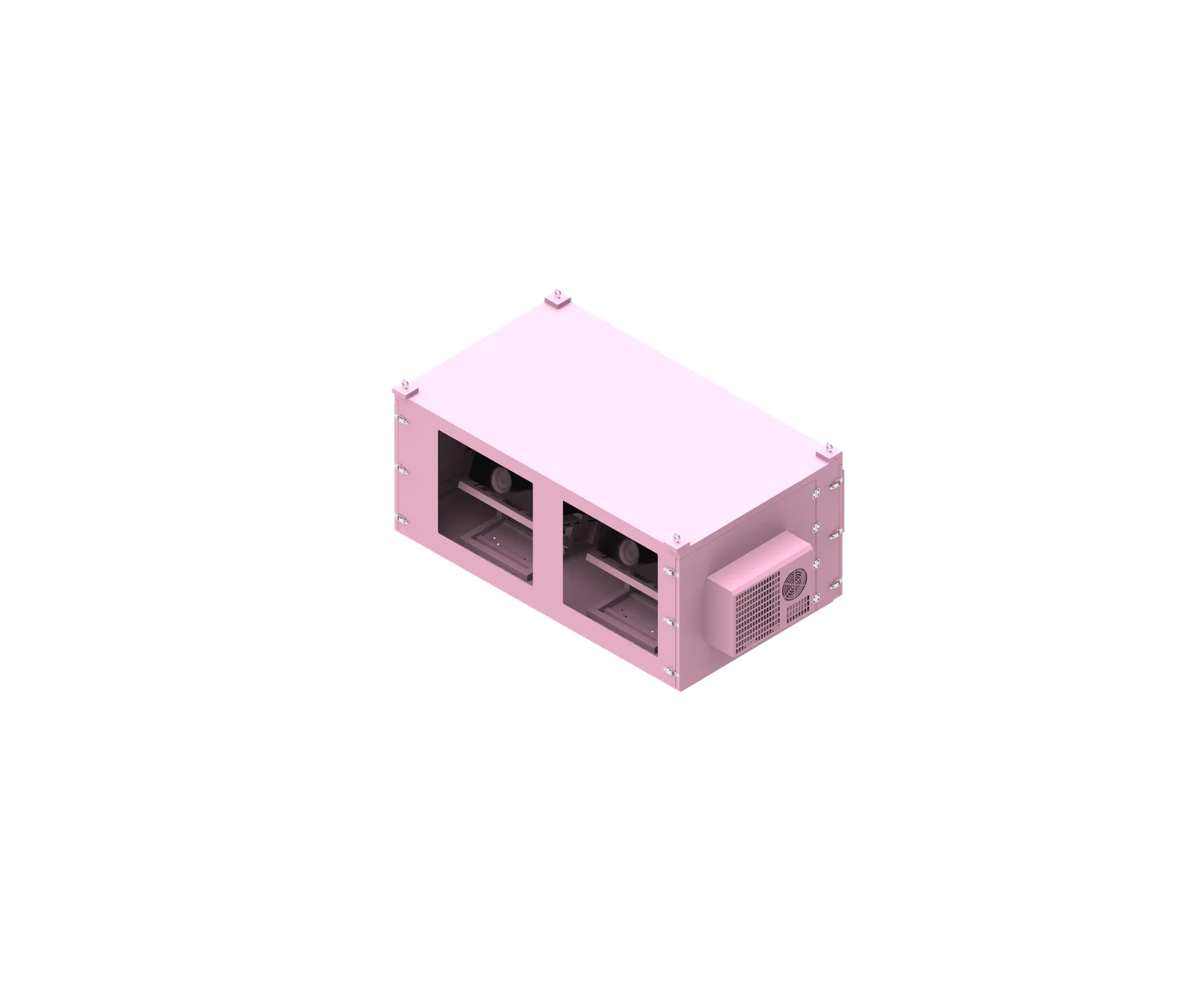
Temperature Control Motherboard for Outdoor Cabinets
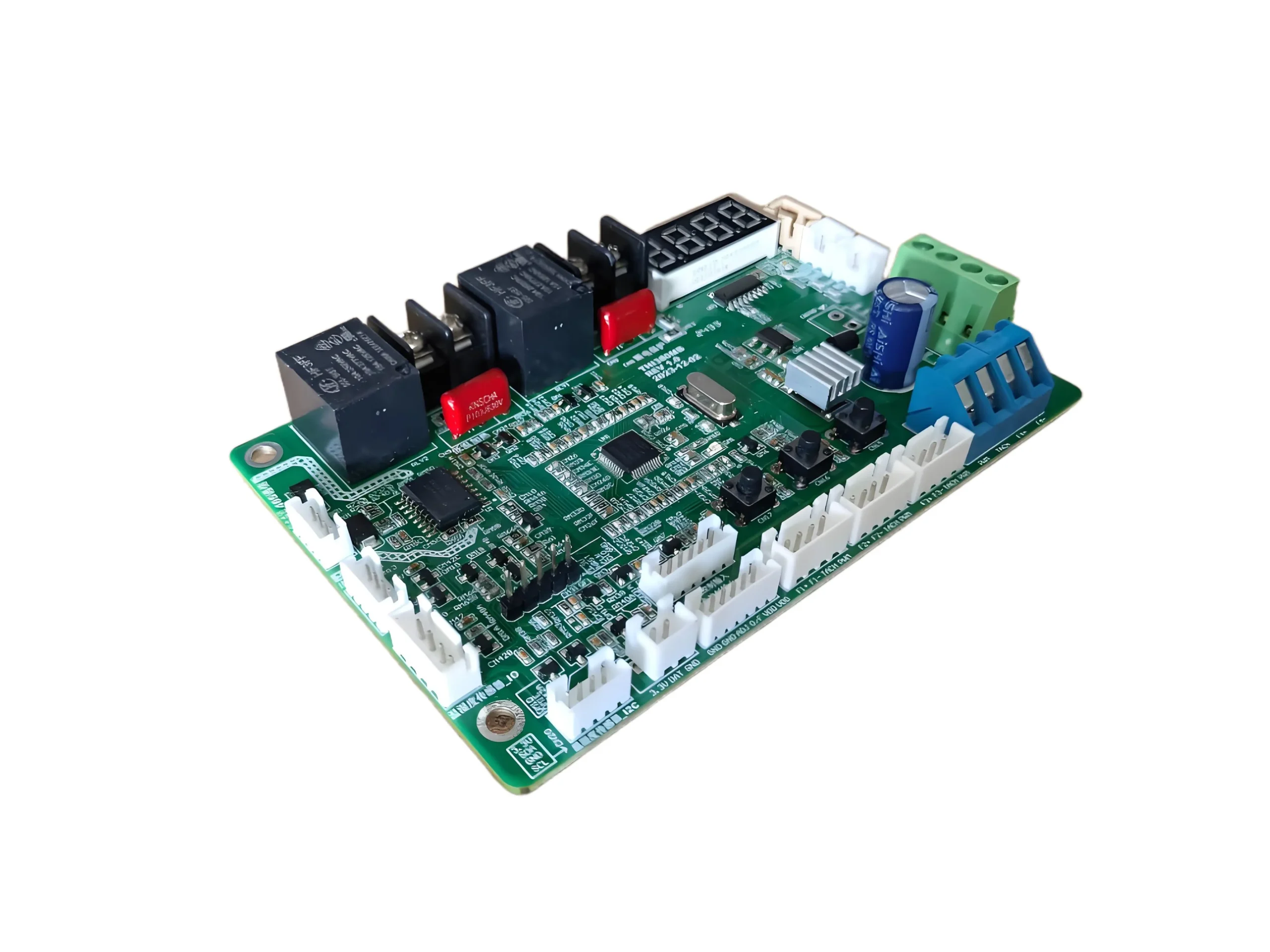
The temperature control motherboard is the core processing unit designed specifically for managing the internal environment of outdoor cabinets, waterproof enclosures, and projector enclosures. It evaluates data from temperature probes and humidity sensors to trigger fan cooling, heating modules, or dehumidification systems based on predefined logic. Before assembly, engineering buyers need to confirm the wiring diagram, sensor options, fan/heating logic, and cabinet drawing to ensure interface compatibility and mass production stability.
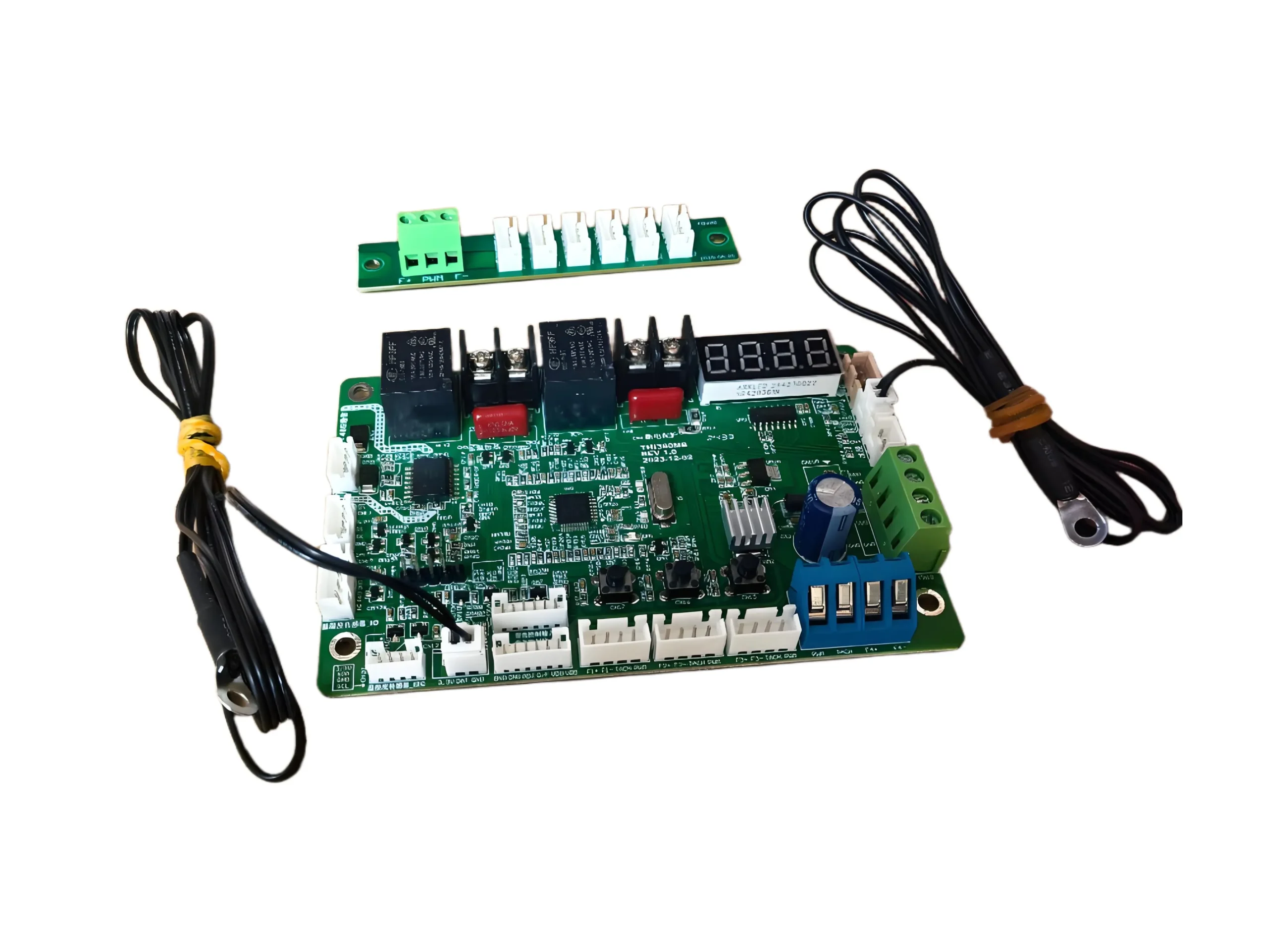
The Core of Cabinet Environmental Control
Rather than acting as a simple switch, the temperature control motherboard sits at the center of the enclosure's electrical system. It receives temperature and humidity signals from internal probes, processes the logic, and actively controls peripheral modules to maintain a stable operating environment for sensitive equipment.
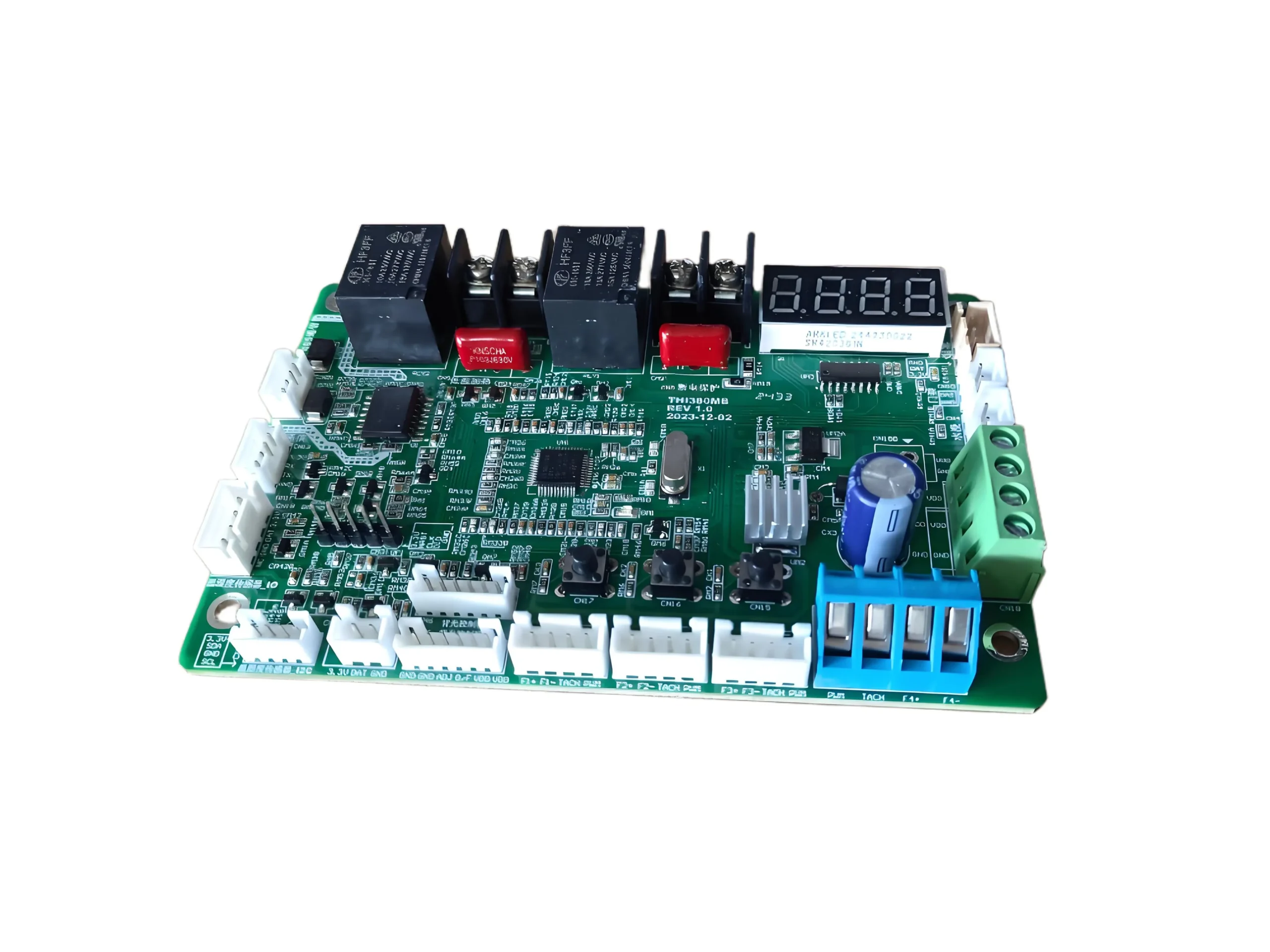
Receives Environmental Signals
The board continuously reads data from connected temperature probes and humidity sensors placed near heat sources or ventilation areas inside the outdoor projector enclosure or network cabinet.
Executes Control Logic
Based on pre-configured thresholds, it controls fan cooling, heating modules, dehumidification units, or internal circulation air conditioning to resolve heat and humidity conflicts within sealed enclosures.
Integrates Safety & Monitoring
The board connects smoke alarms and flooding alarms, and can support remote monitoring options, allowing project teams to review cabinet status without visiting remote installation sites.
Interface Compatibility & Signal Matching
OEM buyers and integrators require precise interface definitions to ensure the motherboard fits the physical cabinet space and electrical layout. A detailed wiring diagram review is essential before prototype assembly to prevent field maintenance issues caused by mismatched sensor inputs or fan control outputs.
- Sensor Interfaces: Dedicated ports for temperature probes and humidity sensors, allowing flexible placement based on cabinet design.
- Output Controls: Independent fan control output, heating module control, dehumidification control, and air conditioning linkage available on request.
- Safety & Comms: Alarm signal input blocks and remote communication module interfaces reviewed according to project requirements.
Standard Temperature & Humidity Control Logic
Wrong control logic increases field maintenance. For outdoor projector enclosures and waterproof cabinets, the control sequence must address condensation during cold nights and heat buildup during operation. Here is the standard logic framework, which can be matched with enclosure temperature control requirements.
Fan Cooling Logic
Cooling Starts
When box temperature is higher than the preset 35°C value by ≥ 2°C, the fan cooling system starts.
Cooling Stops
When temperature is below the preset value by ≤ 2°C, the fan stops working.
Heating & Humidity Logic
Heating Starts
Heating module activates when temperature ≤ 5°C and humidity ≥ 85% to prevent condensation.
Heating Stops
Heating stops when cabinet warms to 10°C and humidity drops to ≤ 75%.
Sensor and Alarm Integration
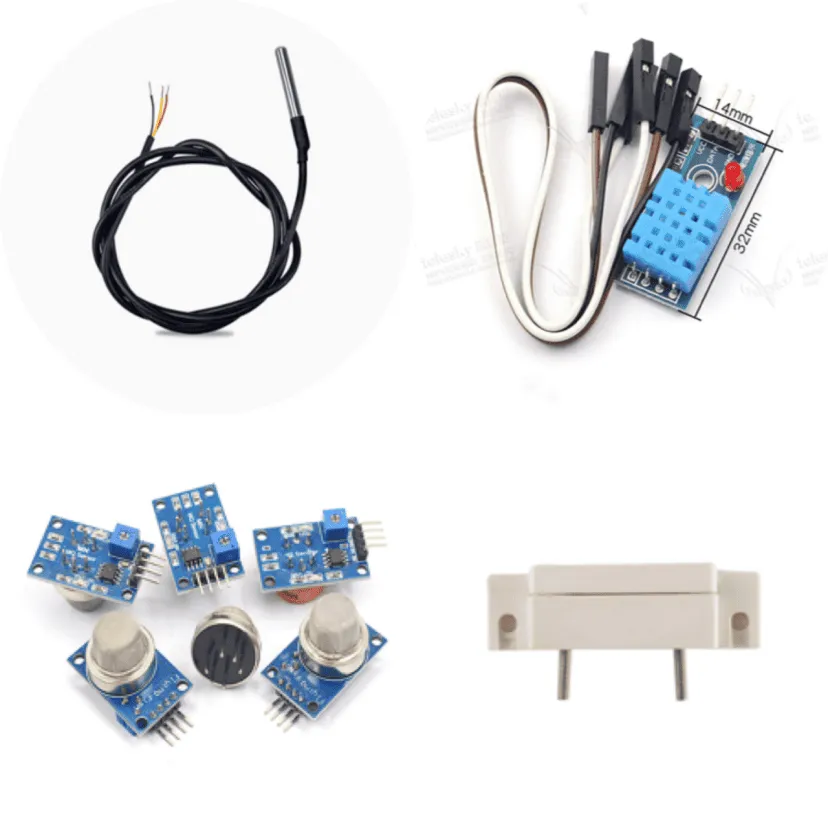
Accurate data collection is critical. The control board supports various sensor inputs to ensure the control sequence matches the actual conditions inside custom sheet metal cabinets and industrial enclosures.
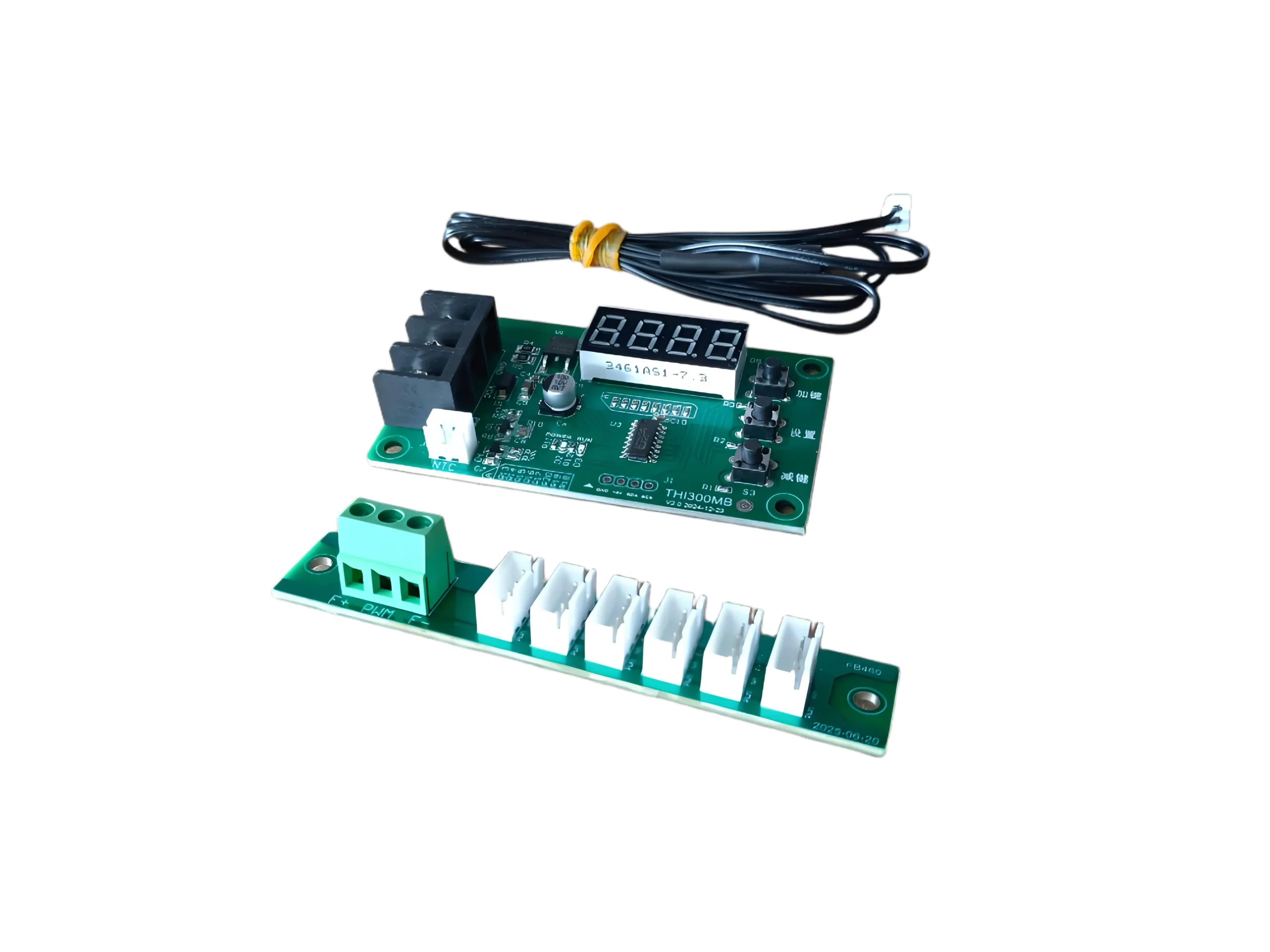
Temperature Probe
Scenario: AV equipment generating localized heat.
Constraint: Sensor position affects temperature reading.
Benefit: Connects directly to the board to trigger fan cooling exactly when the projector load increases.
Temp & Humidity Sensor
Scenario: Coastal or high-humidity scenic night-tour projects.
Constraint: Sealed enclosures create water vapor conflicts.
Benefit: Enables the motherboard to activate dehumidification before condensation forms on optical glass.
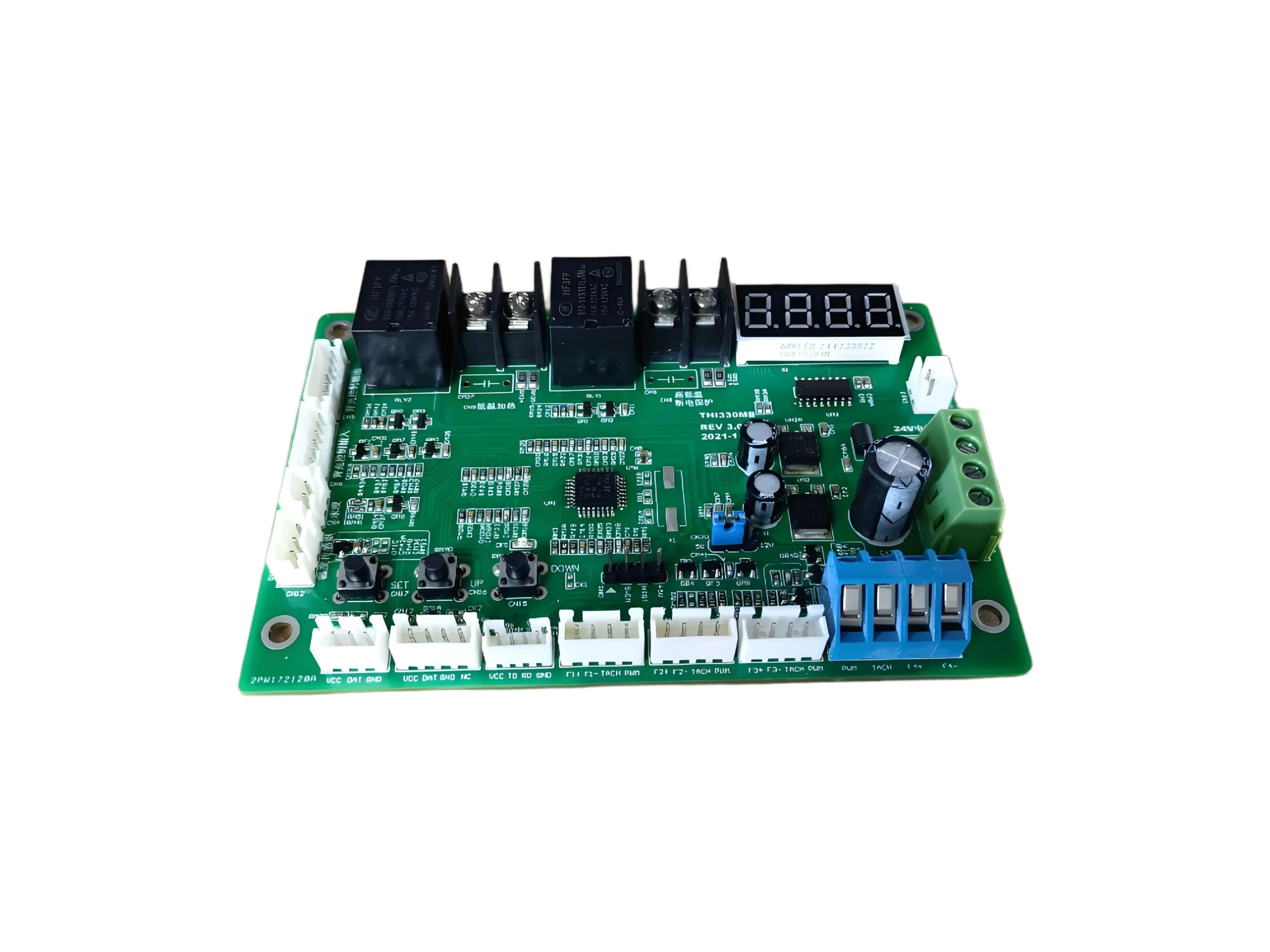
Smoke Alarm
Scenario: Industrial equipment manufacturers requiring safety compliance.
Constraint: Needs immediate power cutoff upon detection.
Benefit: Alarm signals route through the board to trigger alerts and secondary safety protocols.
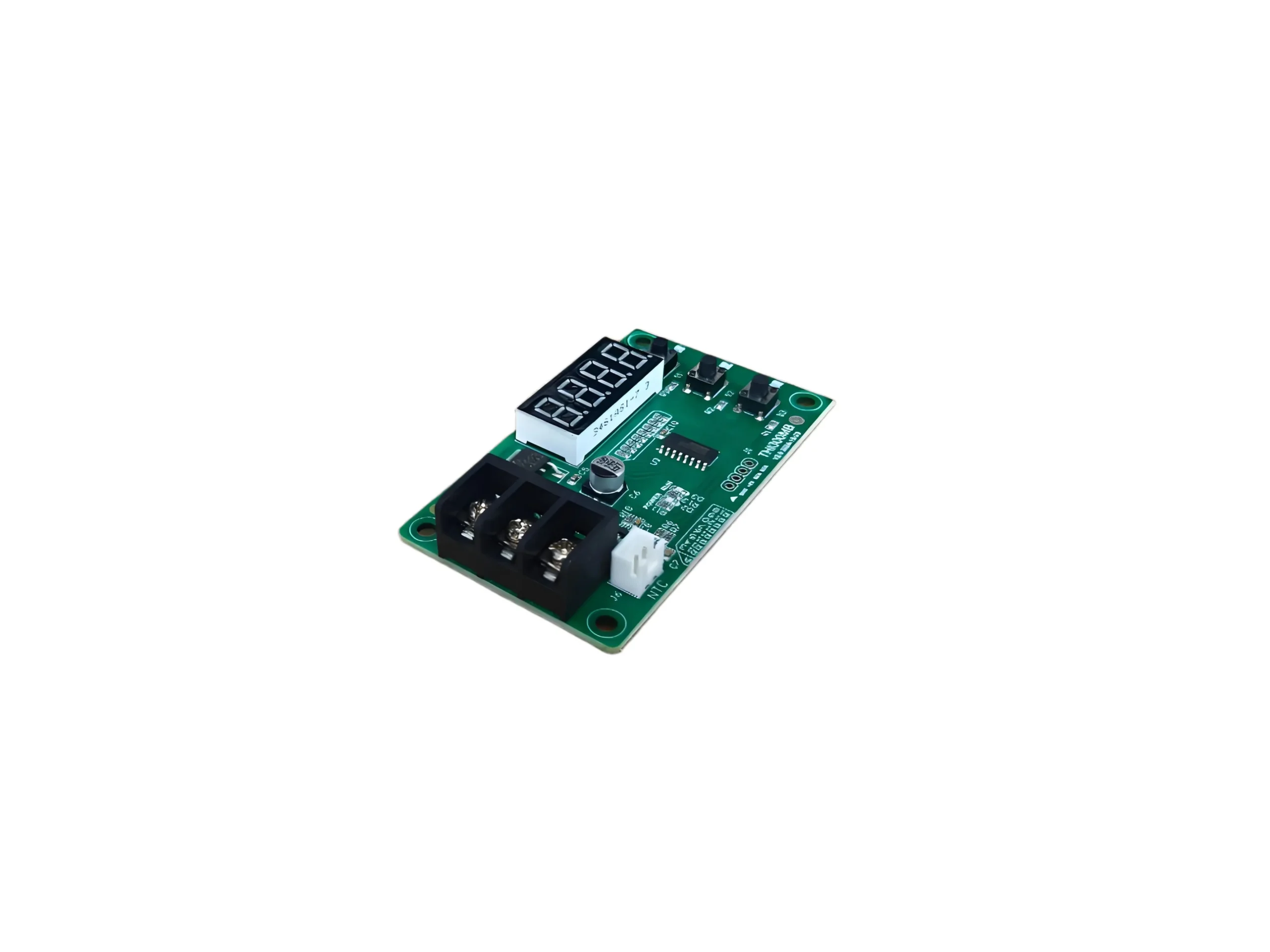
Flooding Alarm
Scenario: Subway equipment cabinets or low-lying installations.
Constraint: Water ingress destroys internal components.
Benefit: Integrated flooding alarm input allows the system to send remote alerts before major damage occurs.
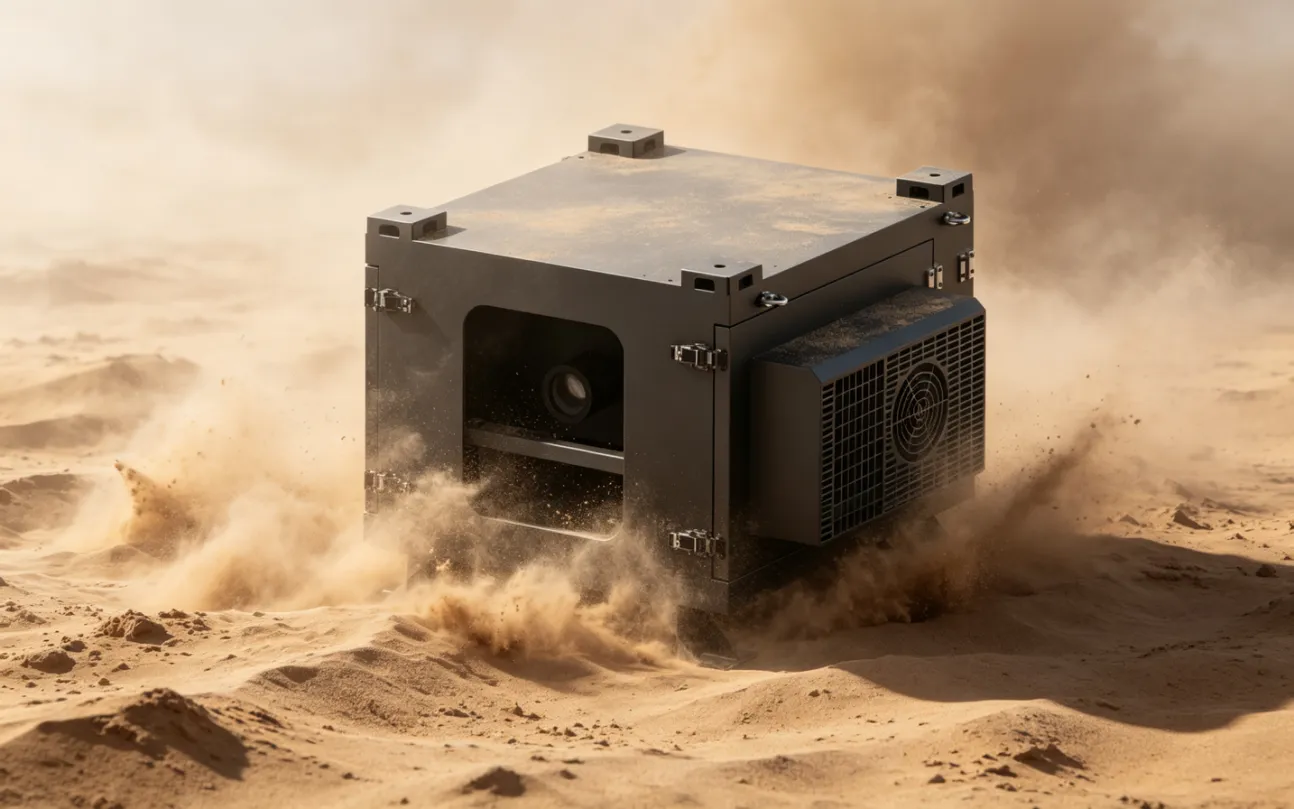
Linkage Control for Extreme Environments
Different installation sites dictate different cooling and heating methods. A high-lumen projector enclosure heat load requires aggressive ventilation, while a subway cabinet facing humidity needs active moisture removal. The Temperature Control Board serves as the command center for these linkage modules.
Fan Cooling & Fresh Air System
For environments needing rapid heat dissipation, the board controls fan speeds or manages fresh air intake, suitable for standard outdoor network cabinets.
Heating & Dehumidification Module
To combat coastal corrosion, water vapor, and low temperatures, the board triggers heating elements and dehumidifiers to maintain a dry internal atmosphere.
Internal Circulation Air Conditioning
For long-hour operation in desert dust or extreme heat, the motherboard can be configured to interface with internal circulation air conditioning, isolating the cabinet from outside air.
Remote Monitoring Options
Project-based enclosure control systems often span multiple remote sites. While no system guarantees failure-free operation, remote monitoring helps project teams check cabinet status and respond earlier when temperature, humidity, or alarm data changes.
Communication
- • WiFi Connectivity
- • Ethernet (RJ45)
- • 4G Cellular Module
- • Encrypted data comms
Platform Integration
- • Ali Cloud IoT platform
- • Status dashboard
- • Alert notifications
- • Remote parameter adjustment
Application Scenarios
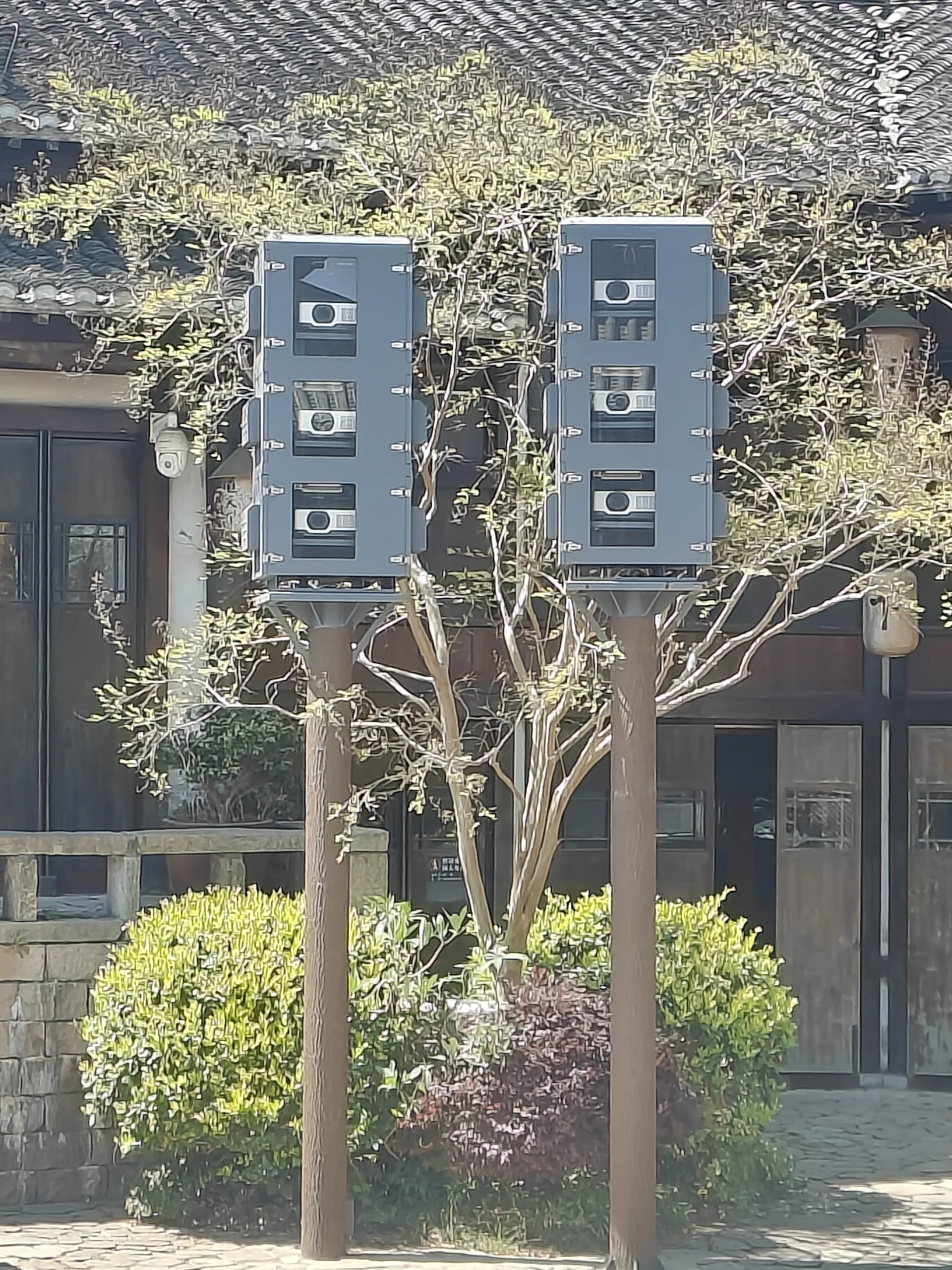
The temperature control motherboard is engineered for diverse outdoor and industrial applications where environmental stability is critical for equipment survival.
Outdoor Projector Enclosure
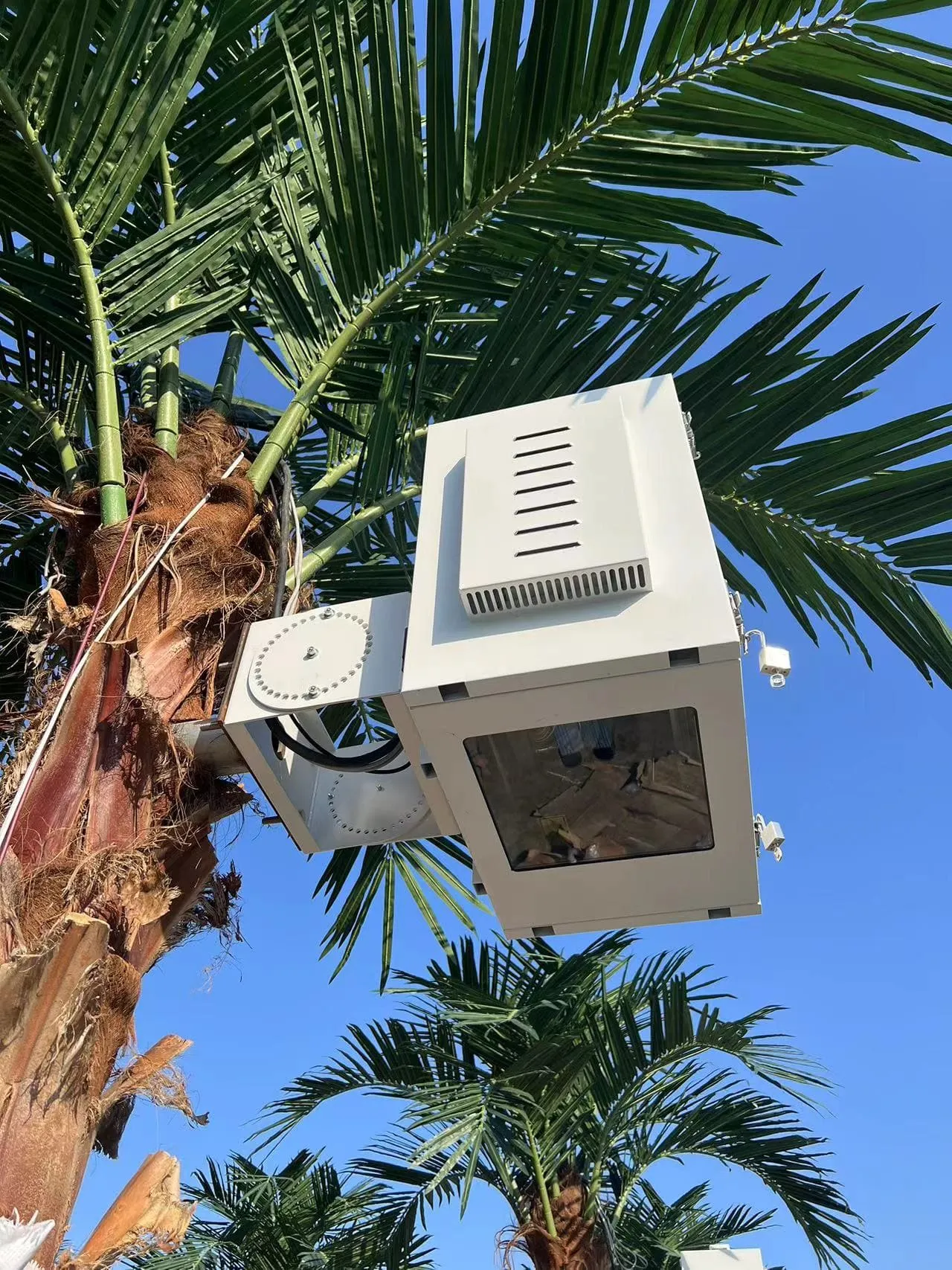
Scenic night-tour projection systems face high heat during operation and cold/humid conditions at night. The board manages fan cooling logic and heating to prevent lens fogging, helping AV engineers protect expensive optical equipment.
Outdoor Network Cabinet
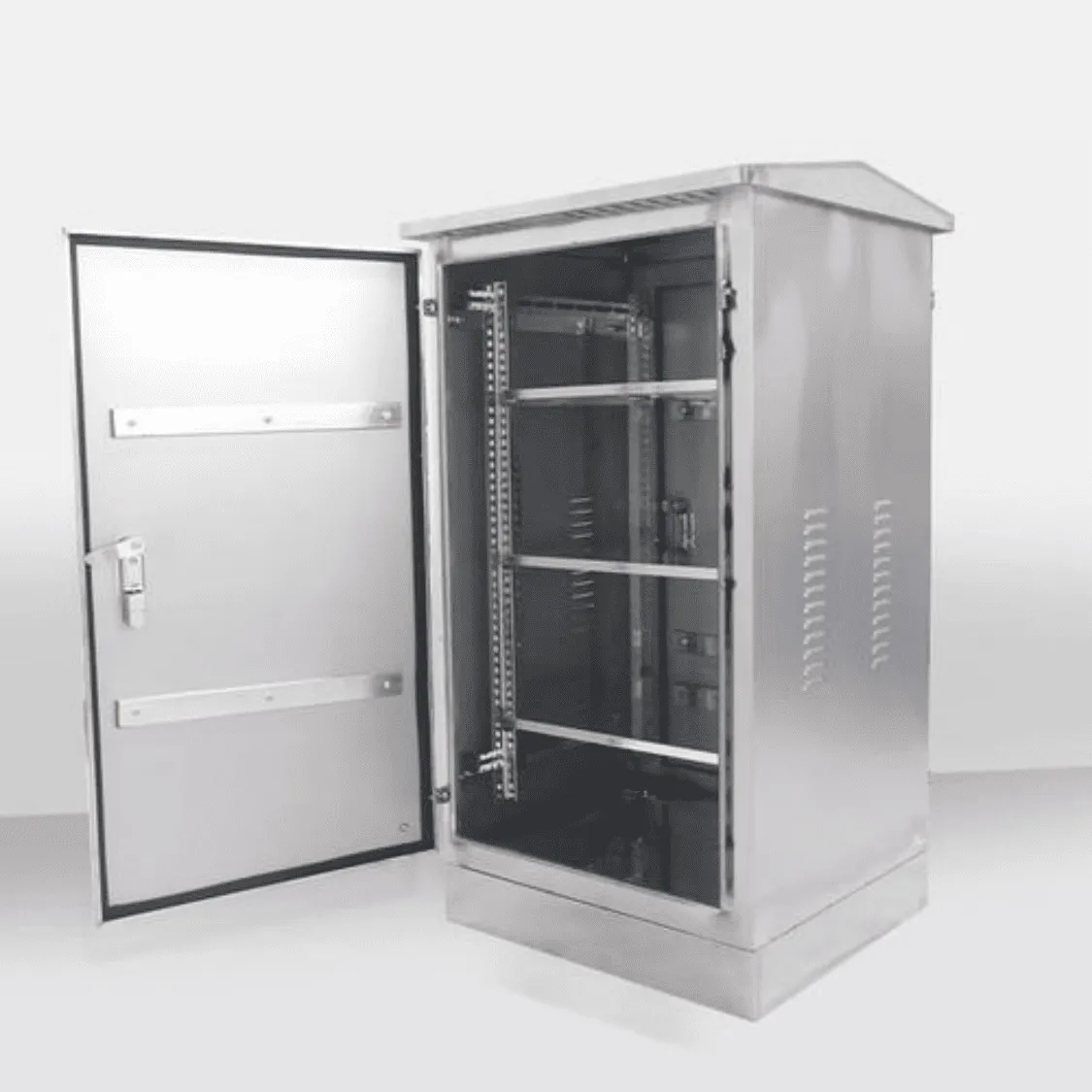
Telecom and network equipment installed in public squares require stable temperatures. Procurement teams rely on the board to manage fresh air intake and integrate smoke alarms, ensuring uninterrupted communication services.
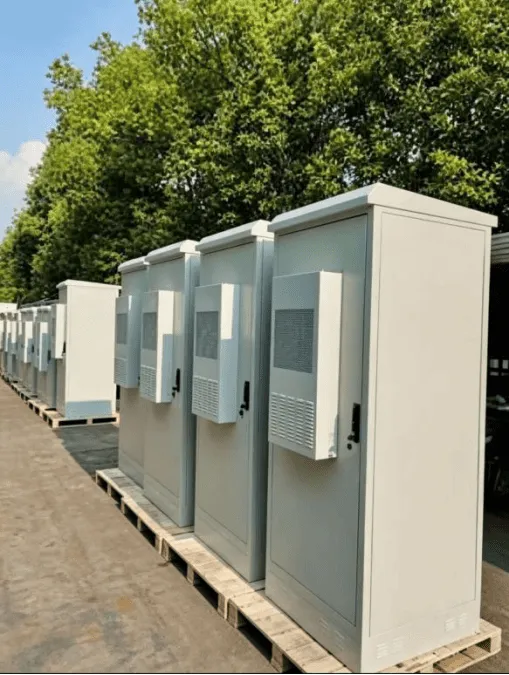
Industrial Waterproof Cabinet
Custom sheet metal enclosures in factories or subways face dust and potential flooding. The board connects flooding alarms and manages internal circulation, giving industrial device manufacturers a reliable OEM control solution.
OEM & Cabinet Integration Process
OEM integration starts from the wiring diagram, cabinet drawing, control logic, and sensor layout. We understand that mass production stability depends on confirmed interface definitions and accurate installation positions.
- Review cabinet drawing and installation space
- Confirm wiring diagram and interface compatibility
- Define fan and heating module layout
- Discuss remote monitoring requirements
- Execute sample approval before project order
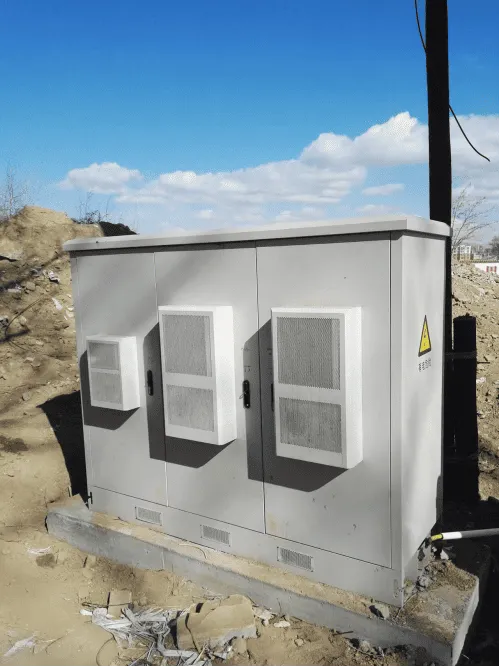
Product Parameter Guide
Technical specifications for the HVAC control board for enclosure integration.
| Product Name | Temperature Control Motherboard |
| Application | Outdoor projector enclosure, outdoor network cabinet, industrial waterproof cabinet |
| Control Objects | Fan cooling system, heating module, dehumidification module, air conditioning linkage |
| Sensor Options | Temperature probe, temperature and humidity sensor, road temperature sensing |
| Alarm Options | Smoke alarm, flooding alarm |
| Communication Options | WiFi, Ethernet, 4G (Reviewed according to project requirements) |
| Monitoring Platform | Ali Cloud IoT platform connection available on request |
| Control Logic | Depending on cabinet design and wiring diagram (Standard: Heating starts ≤ 5°C & Humidity ≥ 85%) |
| Required Inquiry Info | Cabinet drawing, wiring diagram, load requirement, control sequence |
Standard Thermostat vs. Temperature Control Motherboard
Why complex outdoor cabinet projects require dedicated control motherboards over standard retail thermostats.
| Feature | Standard Thermostat | Temperature Control Motherboard |
|---|---|---|
| Control Target | Simple ON/OFF temperature switch | Comprehensive enclosure environment management |
| Sensor Input | Single temperature probe | Multiple temp/humidity sensors, smoke & flooding alarms |
| Humidity Management | Usually unsupported | Linkage control for dehumidification based on logic |
| Remote Monitoring | None or basic local display | WiFi/Ethernet/4G + IoT platform integration |
| OEM Matching | Fixed design, hard to modify | Project wiring review, custom logic, sample approval |
Why Engineering Buyers Trust Us
Buyers can review product photos, factory videos, and project case materials before sending wiring requirements or cabinet drawings.
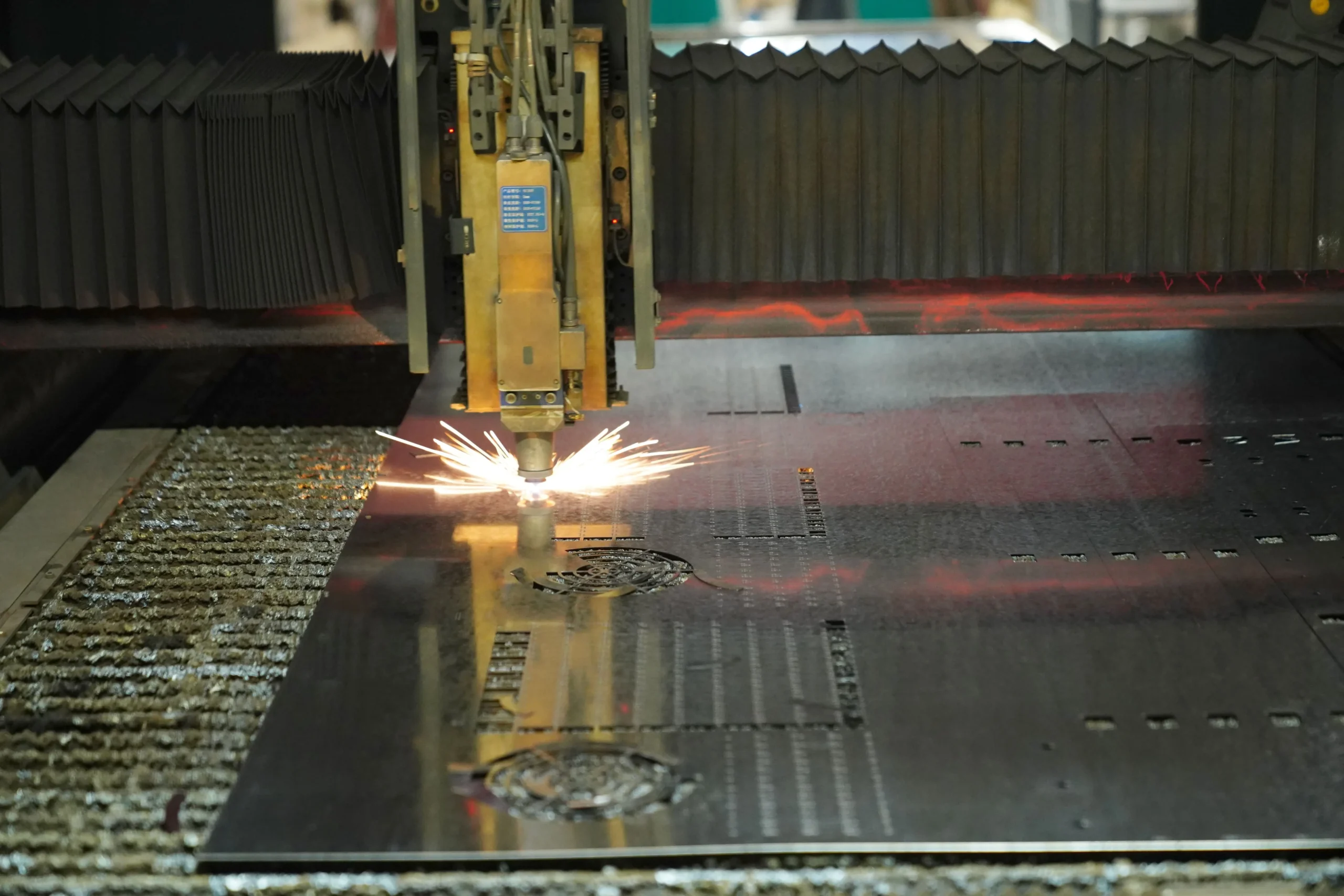
Factory Assembly & Sheet Metal
Factory video helps buyers review cabinet assembly, control board installation position, and our sheet metal processing capability before discussing OEM control requirements.
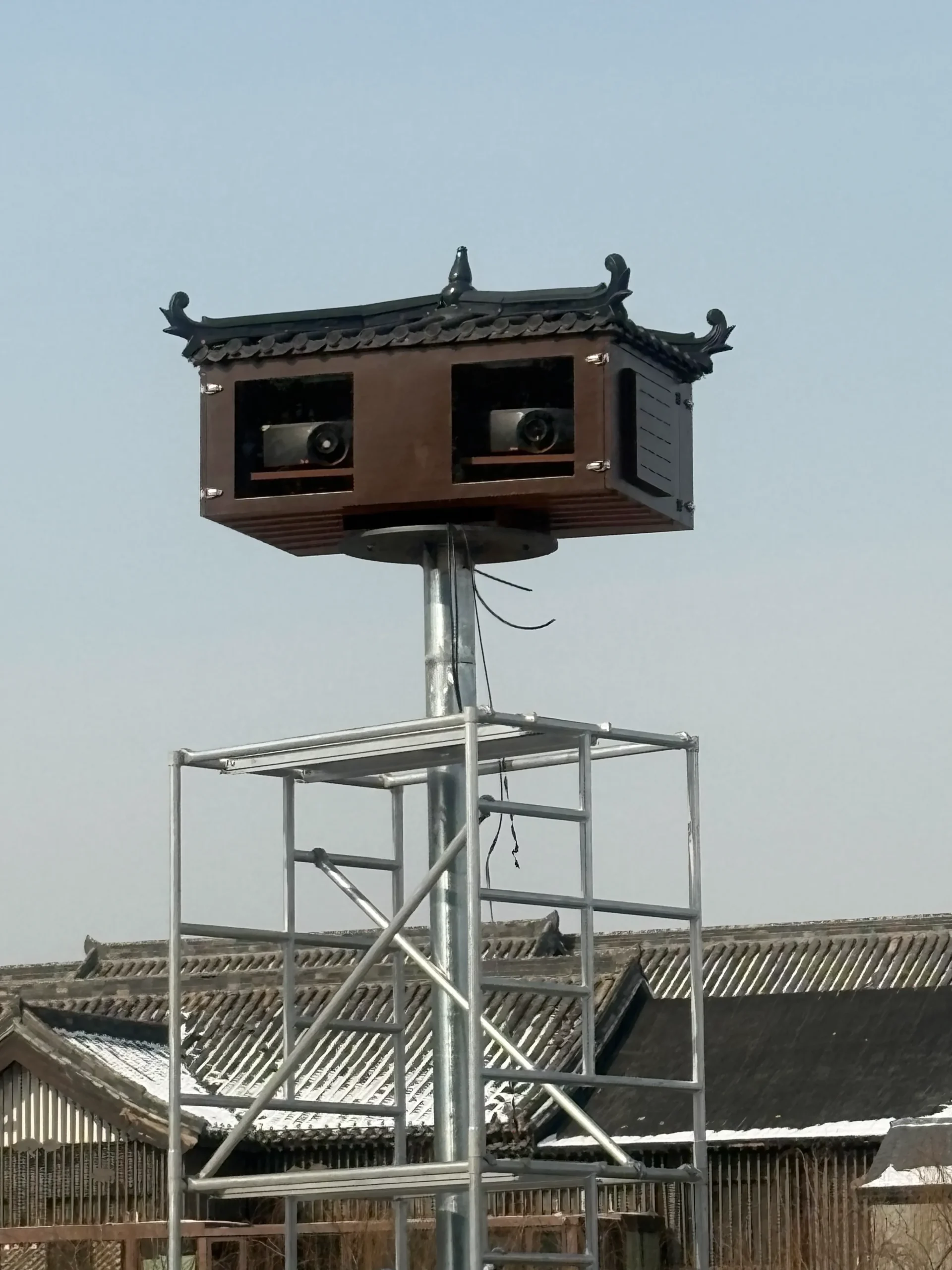
Engineering Project Cases
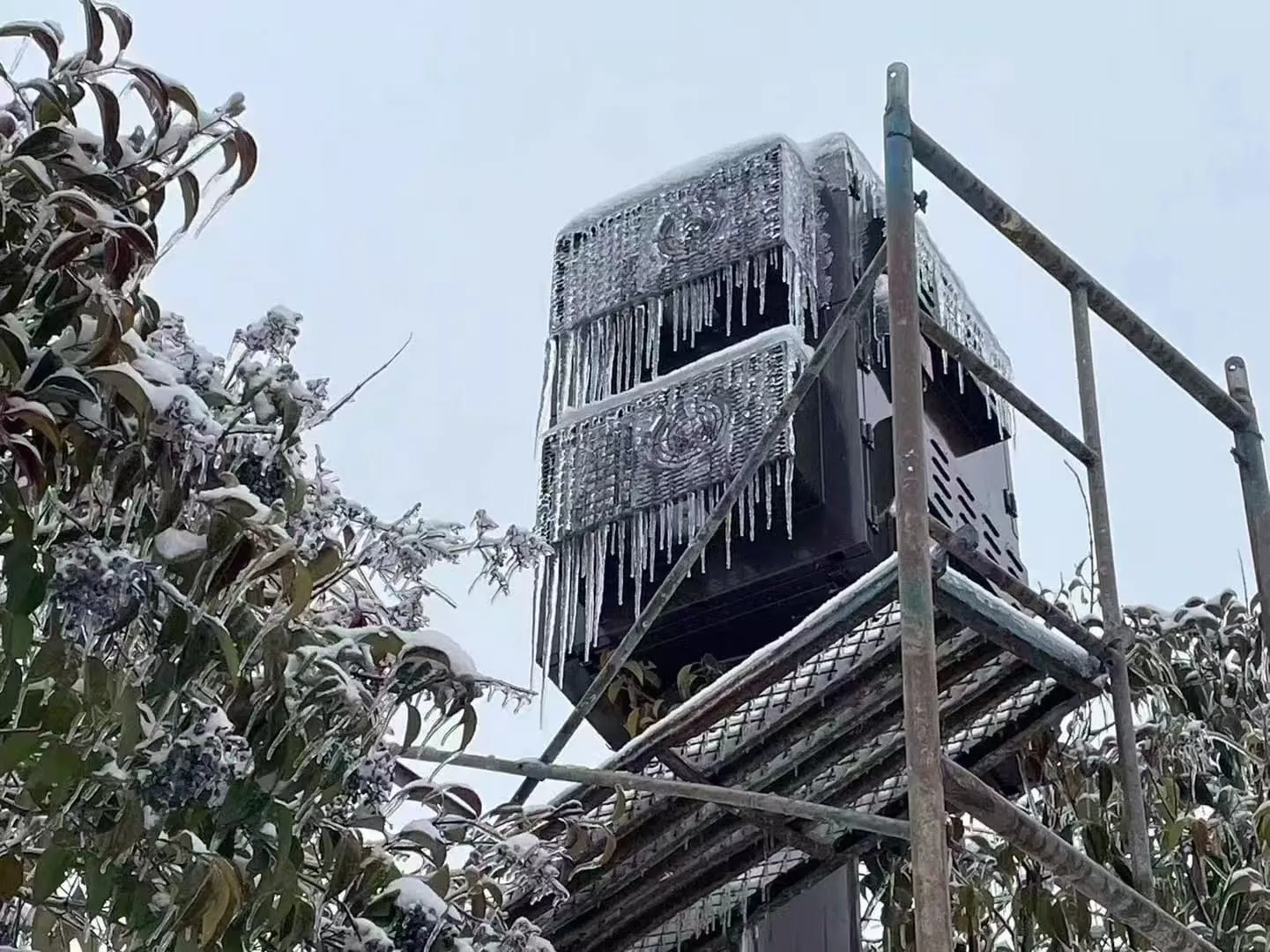
Project case photos help buyers understand how the temperature control motherboard works inside projector enclosures or outdoor network cabinets in real field conditions.
Certifications & Experience
Certification documents are available on request. Our experience with self-developed outdoor projector shell products ensures we understand heat and humidity logic.
Project Inquiry Process
A structured workflow to ensure the control board perfectly matches your cabinet design.
Send cabinet application
Share wiring diagram
Share cabinet drawing
Confirm sensor options
Confirm fan/heating/AC control
Discuss remote monitoring
Review sample control logic
Request quote / Project order
Frequently Asked Questions
What is a Temperature Control Motherboard?
Where can this control motherboard be used?
What sensors can be connected?
What information is needed before quotation?
What remote monitoring options are available?
Send Your Control Requirements
Ready for OEM integration? To provide an accurate quote and ensure sample approval success, please prepare to share:
- • Cabinet application & Expected project quantity
- • Cabinet drawing & Wiring diagram
- • Sensor, fan control, and heating requirements
- • Dehumidification or air conditioning linkage needs
- • Remote monitoring requirements