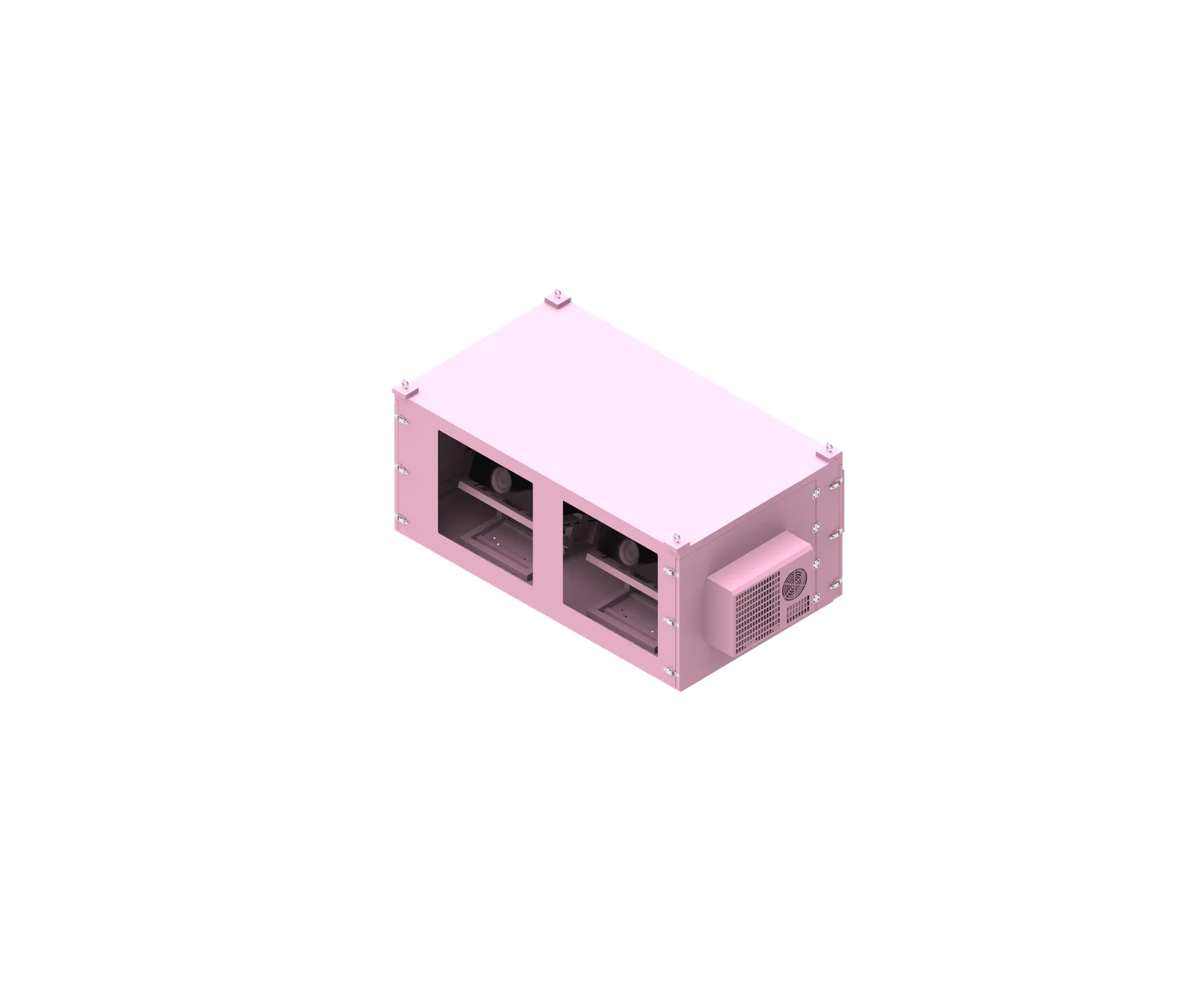
Projector brightness alone does not determine the custom outdoor projector enclosure cost. From a professional enclosure manufacturer’s perspective, pricing depends on the exact projector model, enclosure dimensions, heat load, airflow path, material, IP protection, mounting method, electrical configuration, customization level, quantity, and shipping requirements. Two projectors with the same lumen rating can require very different outdoor projector enclosure designs.
Video Guide: Learn how waterproof enclosures can be used to support different outdoor projector applications. This video provides a practical overview of enclosure solutions for permanent projection projects, helping AV integrators and contractors evaluate suitable protection for their equipment and installation environment.
What is custom outdoor projector enclosure cost?
Custom outdoor projector enclosure cost is the total manufacturing and project cost required to design, build, protect, cool, mount, and configure an enclosure around a specific projector. It is not a fixed catalog price because every projector model, installation site, climate condition, and control requirement can change the final design.
Video Guide: See how an outdoor projector enclosure can be integrated into professional projection projects. This video gives a closer look at the enclosure design and its role in housing projector equipment for permanent installations in outdoor venues, architectural projection, and large-scale visual projects.
Cost Is Based on Engineering Requirements, Not Lumens Alone
A custom projector enclosure is priced according to the complete project condition. A 20,000-lumen projector from one brand may be compact with moderate heat output, while another 20,000-lumen model may be larger, heavier, and require a different airflow path. That difference changes the enclosure structure, cooling capacity, optical window layout, and mounting design.
Based on our internal data and market analysis, here is the breakdown:
| Cost Factor | Why It Changes Cost |
|---|---|
| Projector model | Determines cabinet size, airflow path, heat load, lens position, and service access |
| Enclosure size | Changes sheet metal consumption, fabrication time, coating area, packaging, and freight volume |
| Projector quantity | Increases cabinet size, structural load, cooling demand, and electrical complexity |
| Material | Galvanized steel, aluminum, and stainless steel have different costs and corrosion performance |
| Cooling system | Fan cooling, intelligent control, and industrial air conditioning require different components |
| IP protection | Higher waterproof and dustproof requirements need better sealing and construction detail |
| Mounting structure | Pole, wall, ceiling, rooftop, and ground installation may require reinforcement |
| Optical window | Depends on lens location, projection angle, glass type, and number of projectors |
| Electrical system | Adds power distribution, sensors, controllers, circuit protection, and cable management |
| Custom engineering | Special layouts, projection mapping, or limited installation space increase design work |
| Order quantity | One-off custom production has different economics from batch manufacturing |
| Shipping | Depends on enclosure dimensions, weight, destination, and packing method |
ShiRui Pro Tip: When we prepare a projector enclosure quotation, we always ask for the exact projector brand and model first. Lumen output is useful, but it is never enough to determine the enclosure price accurately.
How Does custom outdoor projector enclosure cost Work?
Custom outdoor projector enclosure cost works as a combined calculation of structure, material, thermal management, electrical control, environmental protection, mounting, customization, production efficiency, and logistics. Each part must match the projector and installation environment, so changing one requirement can affect several cost areas at the same time.
Video Guide: Explore how an outdoor projector enclosure can be configured around different projection equipment and project requirements. This video provides a closer look at the enclosure format and helps illustrate how housing dimensions, mounting layout, and installation needs can vary across professional outdoor projection projects
How Manufacturers Build the Quotation Logic
A professional projector enclosure manufacturer does not simply measure the projector and add a standard box around it. The quotation process normally starts with technical information, then moves through engineering design, component selection, production planning, and delivery evaluation.
A typical cost logic is:
- Confirm the projector model
- Dimensions
- Weight
- Power consumption
- Heat generation
- Air intake and exhaust positions
- Lens position
- Cable connection areas
- Define the enclosure structure
- Cabinet size
- Internal clearance
- Maintenance access
- Reinforcement
- Optical window position
- Mounting points
- Select the protection level
- Waterproof sealing
- Dustproof design
- Cable entry protection
- Door gaskets
- Drainage and condensation control
- Calculate thermal management
- Outdoor maximum temperature
- Direct sunlight exposure
- Operating hours
- Projector heat load
- Fan cooling or air-conditioning requirements
- Heating needs for cold climates
- Add electrical and control systems
- Power distribution
- Circuit protection
- Temperature controllers
- Fans or AC control
- Heating control
- Sensors
- Optional remote monitoring
- Evaluate production and logistics
- Quantity
- Surface finish
- Packaging
- Domestic transport
- International freight
- Destination requirements
ShiRui Pro Tip: If you want suppliers to quote the same technical scope, send the projector datasheet, installation method, ambient temperature range, IP requirement, and quantity together. Otherwise, different quotations may include different assumptions.
What is the best outdoor waterproof projector box?
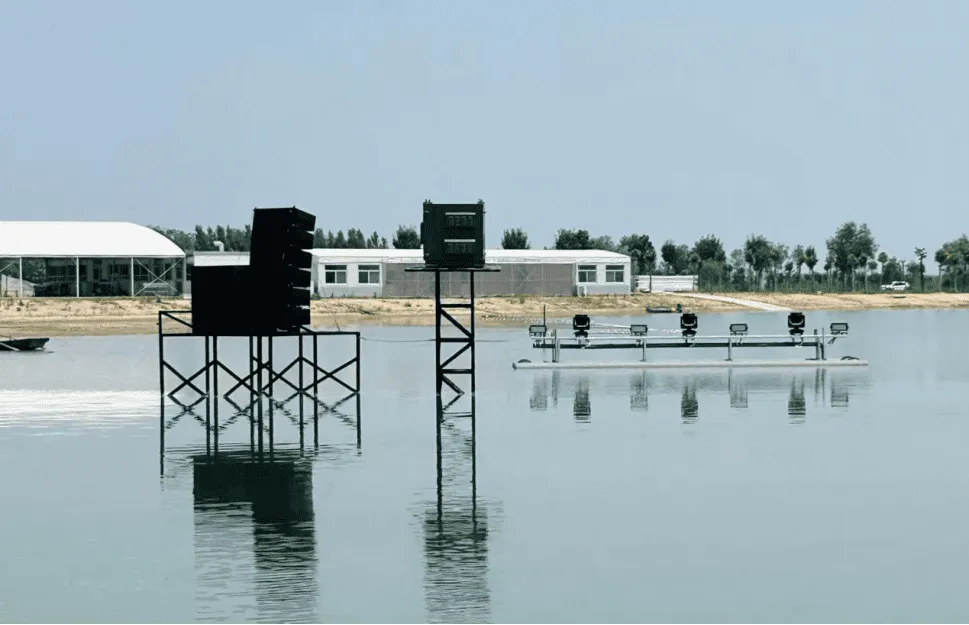
The best outdoor waterproof projector box is not simply the heaviest or most expensive enclosure. It is the enclosure that correctly matches the projector model, cooling demand, IP protection requirement, maintenance access, optical path, and mounting environment while keeping the projector stable during long-term outdoor operation.
What Defines a Reliable Outdoor Waterproof Projector Enclosure
A waterproof projector enclosure must do more than block rain. It must protect the projector from water, dust, humidity, temperature changes, condensation, heat accumulation, insects, corrosion, and unstable installation conditions.
For professional outdoor use, buyers should evaluate the complete protection system:
- Waterproof construction
- Sealed doors
- Proper gasket design
- Protected cable entries
- Sealed optical window
- Rain-resistant cooling interfaces
- Dustproof performance
- Filtered air paths where required
- Protected ventilation openings
- Sealed maintenance panels
- Thermal stability
- Correct cooling capacity
- Airflow matched to projector intake and exhaust
- Temperature sensors and controllers
- Optional heating for cold climates
- Condensation control
- Internal circulation
- Heating or dehumidification options
- Drainage design
- Humidity monitoring where required
- Structural safety
- Correct sheet metal thickness
- Reinforced base or mounting points
- Wind and installation-height consideration
- Corrosion-resistant surface treatment
- Serviceability
- Access doors
- Removable panels
- Cable access
- Projector adjustment space
- Cooling-system maintenance access
ShiRui Pro Tip: For outdoor projects, I recommend confirming the required IP rating during the quotation stage. If IP65 is needed, the cabinet, cable entries, optical window, and cooling interfaces must all be designed around that requirement.
What is a good size for an outdoor projector screen?
A good outdoor projector screen size depends on viewing distance, projector brightness, throw ratio, image resolution, ambient light, audience size, and installation purpose. Screen size also indirectly affects enclosure planning because larger projection areas may require higher-output projectors, longer operating hours, or more precise projector alignment.
Screen Size Should Match the Projection System
Although screen size is not the same as projector enclosure cost, it can influence the projector selection. A larger outdoor screen often requires a brighter projector, different lens selection, more accurate alignment, and sometimes dual-projector or multi-projector configurations. These choices can increase the complexity of the custom projector enclosure.
Based on our internal data and market analysis, here is the breakdown:
| Planning Factor | Why It Matters |
|---|---|
| Viewing distance | Larger audiences or longer viewing distances usually need a larger image |
| Ambient light | Brighter environments may require higher projector output |
| Projector throw ratio | Determines how far the projector must be placed from the screen |
| Resolution | Higher resolution supports larger images with better detail |
| Screen gain | Affects perceived brightness and viewing angle |
| Installation space | Limits projector location, lens angle, and enclosure position |
| Operating hours | Longer use can increase thermal-management requirements |
| Audience type | Events, theme parks, campuses, and commercial displays have different needs |
A practical planning sequence is:
- Decide the audience area and viewing distance.
- Select the desired image width and height.
- Confirm projector brightness and lens requirements.
- Check the projector installation position.
- Confirm whether one projector is enough.
- Design the outdoor projector enclosure around the final projector model and site conditions.
ShiRui Pro Tip: Do not select the enclosure before the projector and screen relationship is confirmed. Screen size can change the projector model, and the projector model is one of the biggest factors in the final enclosure design.
What is the average cost to install a projector and screen?
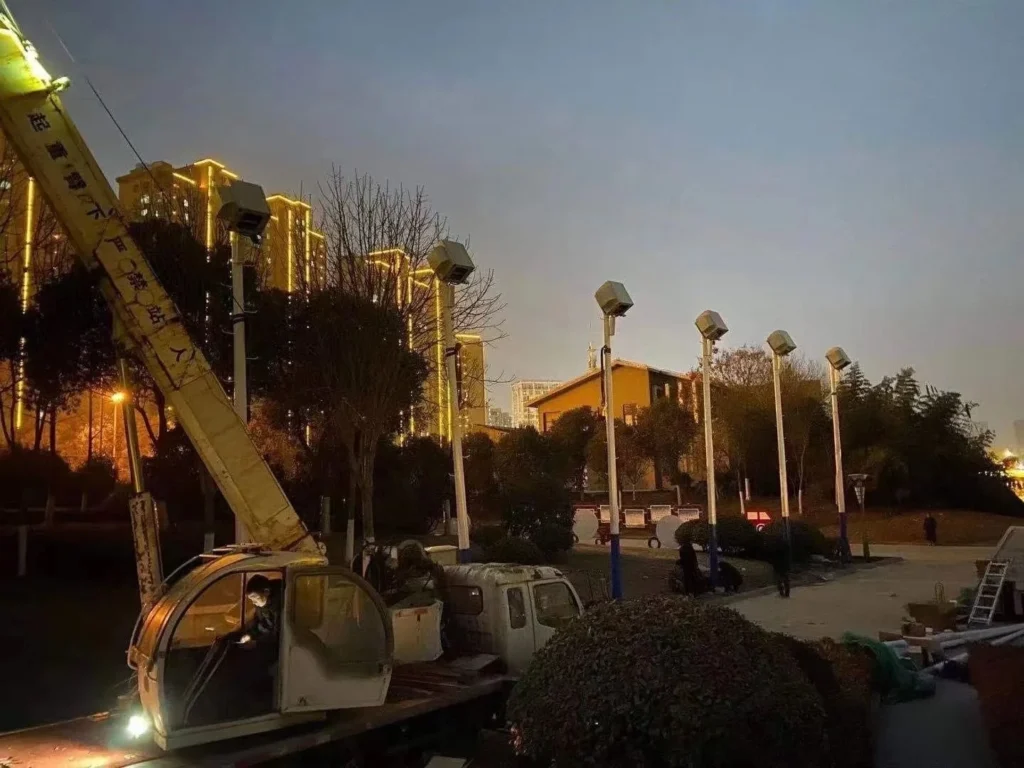
The average cost to install a projector and screen varies widely because installation scope can include projector mounting, screen structure, electrical work, signal cabling, outdoor enclosure, waterproofing, alignment, control systems, and site-specific steelwork. For outdoor projects, the enclosure is only one part of the total installed system cost.
Installation Cost Depends on Site Scope
A projector and screen installation can be simple or highly engineered. Indoor meeting-room installations are very different from outdoor projection mapping, theme park shows, rooftop installations, or public-space media displays. The outdoor projector enclosure price must therefore be considered alongside installation labor, mounting steelwork, electrical connection, and commissioning.
Typical installation-related cost drivers include:
- Projector installation
- Ceiling, wall, pole, roof, or ground mounting
- Lifting equipment
- Alignment and calibration
- Anti-vibration requirements
- Screen or projection surface
- Fixed screen
- Outdoor frame
- Building façade
- Custom projection surface
- Wind-load consideration
- Outdoor enclosure
- Waterproof projector enclosure
- Cooling or air-conditioning
- Heating
- Power distribution
- Maintenance access
- Electrical and signal work
- Power supply
- Circuit protection
- Signal cable routing
- Network control
- Grounding
- Surge protection where required
- Site conditions
- Installation height
- Accessibility
- Local climate
- Structural support
- Safety requirements
ShiRui Pro Tip: When comparing an outdoor projector enclosure quotation with an installation quotation, keep product cost, mounting structure, electrical work, shipping, and on-site labor separated. This makes supplier comparison much clearer.
Key Features & Comparison
The most important features affecting projector enclosure cost are projector compatibility, thermal management, waterproof construction, structural strength, optical window design, electrical control, maintenance access, and mounting configuration. These features may look simple from the outside, but they often require different engineering and production work inside the cabinet.
Feature Comparison for Custom Outdoor Projector Enclosures
Based on our internal data and market analysis, here is the breakdown:
| Feature | Standard Requirement | Cost-Increasing Requirement | Why It Matters |
|---|---|---|---|
| Projector compatibility | One confirmed projector model | Multiple models or future upgrade compatibility | Requires flexible internal design and more clearance |
| Cabinet size | Compact single-projector enclosure | Large engineering projector or multi-projector cabinet | Increases material, structure, coating, and freight volume |
| Material | Galvanized steel or aluminum | Stainless steel or special corrosion-resistant material | Improves corrosion resistance but raises material and processing cost |
| Cooling | Fan-based temperature control | Industrial air conditioning or constant-temperature control | Adds major components, wiring, controls, and maintenance access |
| Heating | Not required in mild climates | Heating plus cooling for wide temperature ranges | Adds heaters, sensors, controllers, and safety design |
| IP protection | General outdoor protection | IP65-level sealing requirement | Requires more detailed gasket, cable, window, and interface design |
| Optical window | Standard single lens window | Custom glass, special angle, or multi-lens window | Requires precise optical and mechanical alignment |
| Mounting | Simple base or wall bracket | Pole, rooftop, ceiling, or custom steel structure | May require reinforced connection points and structural review |
| Electrical system | Basic fan and power wiring | Sensors, circuit protection, AC, heating, remote monitoring | Increases component cost and assembly time |
| Maintenance access | One access door | Multiple doors, removable panels, separate AC access | Adds fabrication complexity and sealing requirements |
| Surface finish | Standard powder coating | Custom color or anti-corrosion coating system | Adds process control and coating requirements |
| Order quantity | Batch order | One-off prototype | Engineering and setup cost cannot be spread across many units |
Features that most often increase projector enclosure cost include:
- Larger enclosure dimensions
- Stainless steel construction
- Industrial air conditioning
- Heating and cooling combination
- Dual-projector or multi-projector layouts
- Heavy-duty mounting structures
- Custom optical windows
- Remote monitoring
- Special environmental requirements
- Complex internal mounting and alignment mechanisms
- Low-volume custom production
ShiRui Pro Tip: If two outdoor projector enclosures look similar but have very different quotations, check the cooling system, material, IP design, mounting structure, and electrical configuration first. These hidden details often explain the price difference.
Cost & Buying Factors
A reliable projector enclosure quotation should be based on confirmed technical inputs, not assumptions. Buyers should provide the projector model, quantity, installation method, project location, temperature range, IP rating, operating hours, and customization requirements before asking for a final outdoor projector enclosure price.
How to Prepare an Accurate Projector Enclosure Quotation
The more complete your RFQ information is, the more accurate the projector enclosure manufacturer can be. Missing information usually leads to assumptions, and assumptions make quotations difficult to compare.
Prepare the following information before requesting a projector enclosure quotation:
- Projector brand and exact model
- Do not provide lumen output only.
- Include datasheets if available.
- Confirm lens position and airflow direction.
- Number of projectors
- Single projector
- Dual projector
- Multi-projector system
- Projection mapping layout
- Installation method
- Pole mounting
- Wall mounting
- Ceiling mounting
- Ground installation
- Rooftop installation
- Custom steel structure
- Project location
- Country and city
- Coastal or inland environment
- Dust, humidity, rain, or corrosion exposure
- Shipping destination
- Ambient temperature range
- Maximum outdoor temperature
- Minimum outdoor temperature
- Direct sunlight exposure
- Day-night temperature difference
- Operating conditions
- Daily operating hours
- Seasonal or year-round use
- Continuous operation requirements
- Protection level
- Required IP rating
- Waterproof and dustproof expectations
- Condensation-control requirements
- Electrical and control requirements
- Fan cooling
- Air conditioning
- Heating
- Temperature control
- Humidity monitoring
- Remote monitoring
- Alarm functions
- Customization requirements
- Color
- Surface finish
- Door layout
- Special optical window
- Internal rails or brackets
- Existing structure integration
- Order quantity
- Prototype
- Small batch
- Project batch
- Repeat order plan
ShiRui Pro Tip: Before sending an RFQ, I suggest preparing projector datasheets, site photos, installation drawings, and mounting drawings. These documents help us reduce assumptions and design the enclosure around the real project condition.
Conclusion
Custom outdoor projector enclosure cost is affected by many connected technical factors, especially the exact projector model, heat load, airflow design, material, cooling system, protection level, mounting structure, electrical configuration, customization, quantity, and shipping. Brightness alone cannot determine the correct outdoor projector enclosure price.
Final Guidance for Buyers
A custom outdoor projector enclosure should be treated as an engineered protection system, not a simple metal box. The enclosure must protect the projector from weather while maintaining stable internal operating conditions, safe mounting, reliable power control, and convenient maintenance access.
For an accurate quotation, provide at least:
- Projector brand and exact model
- Number of projectors
- Installation method
- Project location
- Maximum and minimum ambient temperature
- Operating hours
- Required IP rating
- Order quantity
For complex projects, also provide:
- Projector datasheets
- Lens information
- Installation drawings
- Site photos
- Mounting structure drawings
- Projection layout drawings
- Electrical and control requirements
- Shipping destination
ShiRui can review these details and recommend a suitable custom projector enclosure design based on your actual projector, climate, installation method, and protection requirements.
ShiRui Pro Tip: The fastest way to receive a useful quotation is to share the projector model, quantity, installation method, ambient temperature range, project location, and required protection level in the first message. This lets us quote the real enclosure system instead of guessing.